What is iGaming SEO?
The iGaming industry is a developing global market, expected to reach 281.3 million users by 2029. Some governments are moving to allow online gaming marketplaces. The online gambling sector is one of the world’s most profitable markets, but it means that gambling sites compete fiercely. As a result, SEO for iGaming is more crucial than ever.

That is why many iGaming websites use SEO content creation services to ensure their search engine optimization is at its peak. We look at the importance of SEO techniques for an online casino. We examine how SEO services contribute to a complete approach. This talk includes determining what requirements iGaming SEO strategies should meet.
What is iGaming SEO?
SEO for iGaming is the process of optimizing online gaming and betting sites to appear higher in search engine results. Internet gaming SEO has unique challenges when compared to traditional SEO. These include strict regulations, geographical constraints, and competition.
It encompasses all forms of gambling, including an online casino, sports betting, poker rooms, betting, and fantasy sports. The market is divided into many segments, each of which requires its own strategy. For example, SEO for poker sites differs from SEO for esports.
Traditional SEO vs iGaming SEO
Casino SEO expands on traditional SEO by demanding rigorous regulatory compliance, more volatility, and stricter link-building due to legal constraints and algorithm monitoring, resulting in a higher-risk, higher-reward niche requiring deep localization and frequent adaptation. While traditional SEO focuses on content and links in general, iGaming SEO must negotiate dynamic patterns with caution, as penalties for manipulative approaches are harsh.
Legal and Compliance Considerations
Traditional SEO operates in largely liberal regulatory regimes, with compliance centered on data privacy (GDPR, CCPA) and consumer protection. iGaming SEO is heavily reliant on gambling laws, licensing regulations, and age limits that vary by location. Search visibility is dependent on geo-targeted compliance, regulator approval, and ongoing adaptation to changing regulatory frameworks.
Strict Advertising and Link Policies
Traditional SEO link acquisition is based on normal outreach, digital PR, and content marketing, with minimal platform risk. SEO is subject to severe advertising limitations, no-follow guidelines, and regular link deletions.

Search engines examine inbound connections closely, making link velocity, anchor text, and domain relevancy crucial in avoiding penalties.
Keyword and Content Restrictions
Traditional SEO provides for broad keyword targeting and a variety of content types with both informational and commercial intent. Restricted phrases, forbidden claims, and obligatory disclaimers all limit iGaming SEO potential.
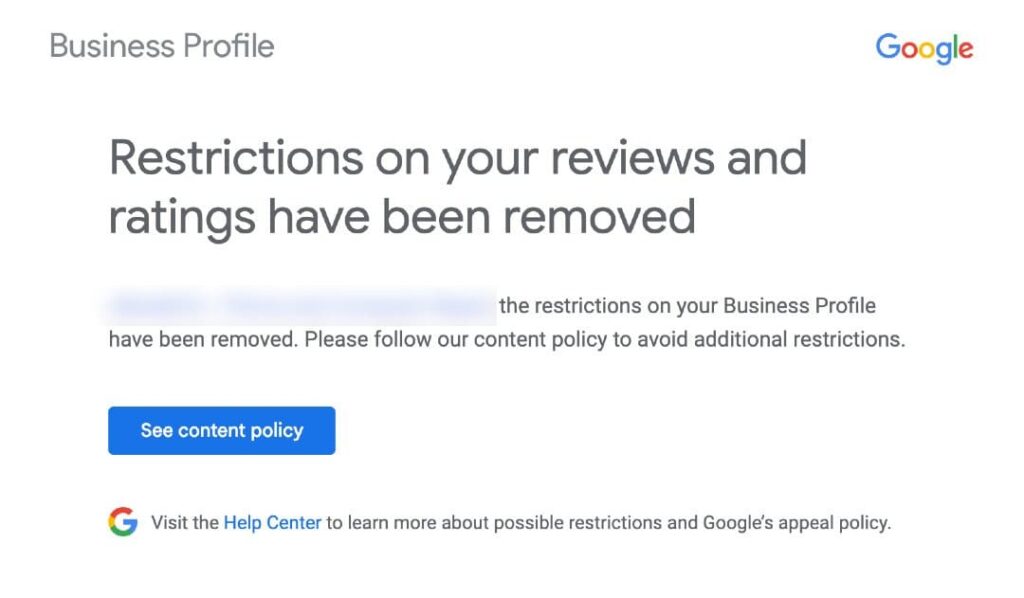
To comply with regional compliance regulations, content must balance search purpose with legal terminology, avoid inducement language, and rely on compliant content segmentation and geo-targeted delivery methods.
Higher Competition and Authority Barriers
Traditional SEO competition grows gradually, allowing mid-authority sites to rank with great technical optimization and content depth. Casino SEO is dominated by established affiliates, private networks, and high-authority domains.
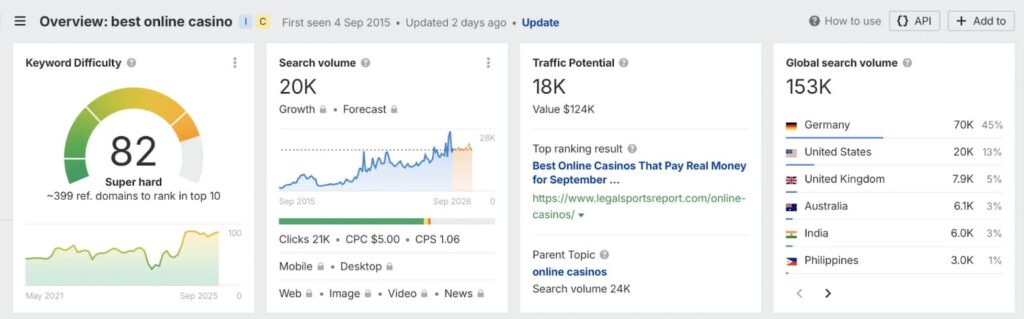
Entry necessitates strong domain trust, previous backlink profiles, and infrastructure investment, as algorithmic tolerance for new or low-authority sites is limited.
Winning iGaming SEO Strategy
Compelling iGaming SEO strategies involve rigorous index control to avoid prohibited regions and compliant content architectures that can withstand algorithmic inspection. The architecture must allow high crawl efficiency for dynamic odds pages and changing bonus offers. Page speed and Core Web Vitals are non-negotiable in SERPs, which are flooded with mature competition. Weak infrastructure is screened out early, despite content quality.
Technical SEO
Technical SEO can make or break your SEO results. Pages on your site that are inaccessible to search engines will not display in search results, regardless of how good your material is. This leads to a loss of organic traffic and potential income for your firm. A website’s speed and mobile friendliness are established search engine rankings criteria. If your pages take too long to load, users may become frustrated and quit your site. Behaviors like this may indicate that your website does not provide a great user experience. As a result, Google may not rank your website highly.
Site speed and mobile optimization
The site performance has a direct impact on crawl efficiency, Core Web Vitals, and user retention. Mobile-first indexing necessitates responsive design, fast CSS/JS delivery, picture reduction, and server-side optimizations.
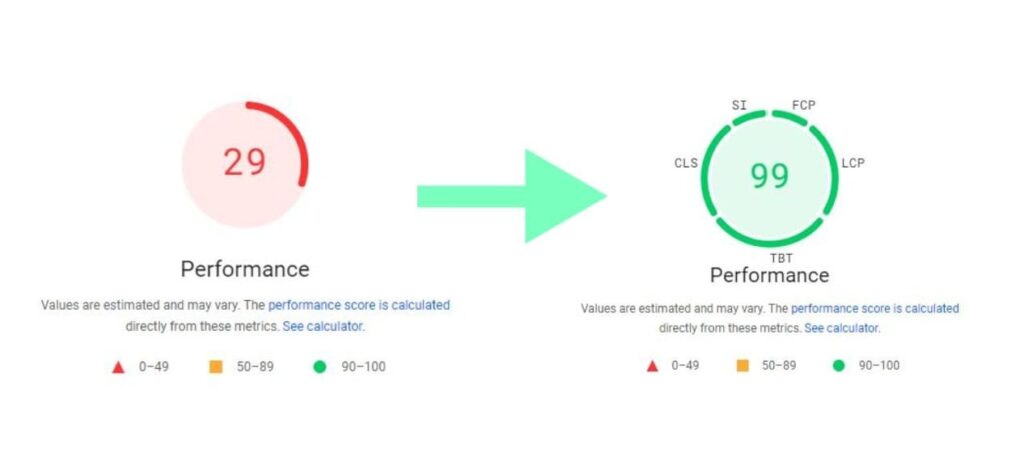
Poor mobile performance reduces ranking potential independent of content or backlink strength.
Indexing and crawlability
Effective SEO requires controlled crawl paths and predictable indexation. Clean URL architecture, optimal internal linking, appropriate usage of robots.txt, XML sitemaps, and canonical tags assure search engines.
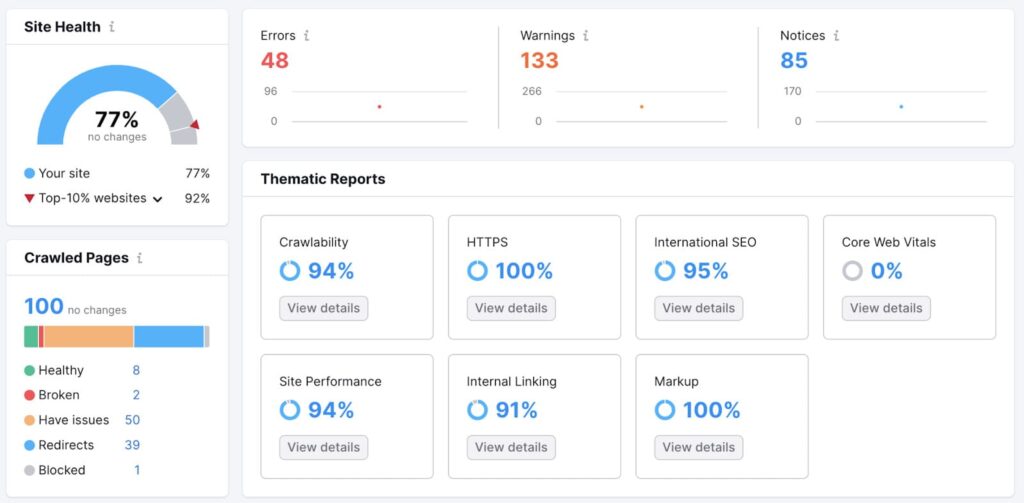
Allocate crawl budget effectively and minimize duplicate or orphaned pages.
Structured data
This allows search engines to receive clear page context information. Schema markup improves eligibility for rich results, increases SERP visibility, and decreases uncertainty in content interpretation. An incorrect or inconsistent schema can prevent upgrades or require manual reviews.
Security and user trust signals
HTTPS is a basic ranking and trust criterion. Aside from SSL, trust signals include safe payment flows, transparent policies, uptime stability, and protection against malicious scripts. Security concerns can lower crawl frequency, generate alerts, or cause partial deindexation.
Hreflang and multilingual optimization
Hreflang annotations assist search engines in serving the appropriate regional and language variants. Proper implementation eliminates duplicate content conflicts across locales, boosts geo-targeted search engine rankings, and necessitates precise URL mapping, consistent canonicals, and accurate language-region codes.
Content & On-Page Optimization
Generally speaking, content and on-page optimization aim to make pages clear, relevant, and usable for both gamble audiences and search engines. Matching content to search intent, employing specific keywords naturally, structuring pages with logical headings, optimizing metadata, and assuring readability, internal linking, and freshness all contribute to improved relevance, engagement, and ranks. There is even more.
Keyword research for iGaming
iGaming keyword research is limited by regulatory constraints and fierce competition.

Tools must take into account geo-specific regulations, search volume changes, and intent segmentation. Long-tail, niche, and affiliate-oriented keywords frequently produce higher ROI than generic, high-volume terms.
Search intent and content mapping
Matching content to a gambler user’s intent is crucial for iGaming SEO. Informational, navigational, and transactional questions must be segregated, with material created to meet compliance requirements while driving users down the conversion route. Misaligned intent diminishes stay time while increasing bounce rates.
Internal linking structure
Internal linking increases authority flow, crawl efficiency, and the discoverability of deep pages. Structured link hierarchies in iGaming help with regulatory compliance (age verification, disclaimers) and content clustering, which improves topical relevance and SERP exposure.
E-E-A-T for gambling content
Due to stringent monitoring, expertise, experience, authority, and trustworthiness are enhanced in iGaming. Author credentials, license details, and verified reviews are required to indicate credibility. Weak E-E-A-T diminishes ranking potential and may cause may result in algorithmic ranking declines or manual actions.
Guides, reviews, and comparison content
These content kinds dominate iGaming SEO because they are relevant to user research and conversion intent. Reviewers must be objective, use comparison measurements, and offer disclaimers. Structured formatting (tables, pros/cons, and scorecards) improves readability and CTR.
Educational vs transactional content
Educational material promotes authority, long-tail discovery, and user trust, whereas transactional content focuses on fast conversions. Balancing guarantees regulatory compliance, avoids over-promotional penalties, and maintains engagement with users who want to gamble throughout the customer lifecycle.
Link Building Strategies
In a word, link building is the process of obtaining other websites to connect to your webpage. It belongs to broader off-page SEO. Spend some time on this because these links are vital. They help your pages appear higher in search results. But it isn’t all they do.
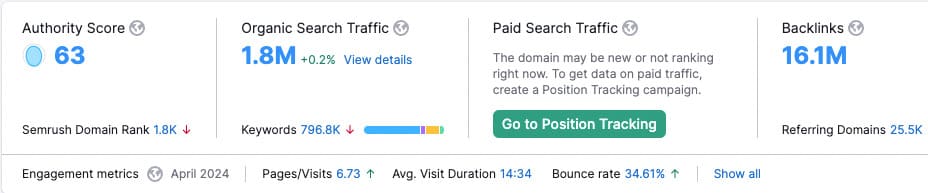
A good link, first and foremost, increases traffic to your iGaming website.
Other websites linking to your page will help to increase referral traffic to your site. This puts new gamblers’ audiences into contact with your website’s offerings. To ensure that your efforts are not in vain, consider which websites would be appropriate for connecting to your pages.
Outreach
Targeted outreach focuses on relevant, compliant websites in regulated niches. Personalized pitches and content-driven link requests lead to higher success rates. Outreach in iGaming must avoid non-compliant sites and focus on trust signals in order to pass a severe algorithmic evaluation.
Guest posting
Guest posting on specialist platforms increases domain authority and topical relevance. Content must adhere to legal guidelines and prevent promotional overkill. Anchor text diversity and editorial quality are crucial for avoiding deindexation or penalties.
Partnerships and brand mentions
Strategic agreements with affiliates, review sites, and industry blogs result in contextual backlinks. Non-linked brand references also add to trust signals. In iGaming, they must adhere to jurisdictional regulations and avoid incentivized link schemes.
High-authority editorial links
Acquiring links from authoritative publications indicates credibility to search engines. Editorial links must provide organically cited information, data-driven insights, or expert comments. Low-quality or paid editorial connections face algorithmic penalties, particularly in highly regulated industries.
Avoiding black-hat tactics
In iGaming, black-hat practices such as link farms, PBNs, and automated link insertion pose a significant risk. Search engines would closely monitor an iGaming website. Breaches may result in deindexing or manual actions. Compliance, quality, and contextual relevance remain the most secure techniques.
What Search Engines Look For in iGaming Sites
Search engines like Google or Bing look for clear search intent matching, original and up-to-date material, good on-page SEO structure, fast and mobile-friendly performance, and consistent internal linking.
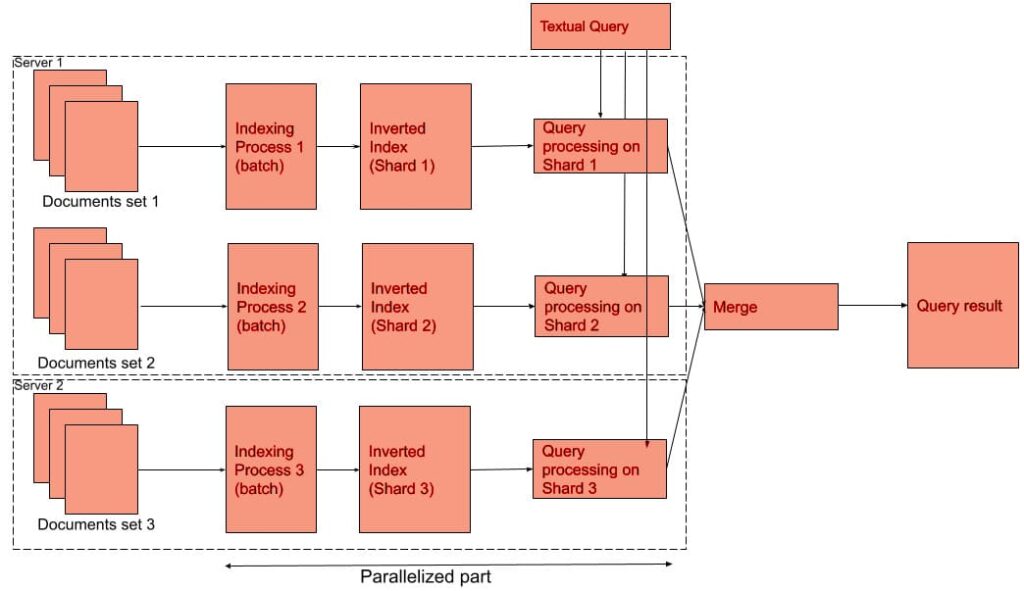
Transparent ownership, responsible gambling information, regulatory alignment, and authoritative backlinks are all important indicators of reliability, helping to distinguish genuine operators from low-quality or non-compliant platforms.
E-E-A-T
In iGaming, search engines place a higher value on expertise, experience, authority, and trustworthiness. They evaluate the author’s credentials, licenses, regulatory compliance, and confirmed track records. Domain history, inbound authoritative links, and content accuracy boost legitimacy while lowering algorithmic risk. Weak E-E-A-T can reduce ranks regardless of content richness.
User Safety
HTTPS encryption, secure payment gateways, anti-fraud systems, and age verification are all important safety signals that help rank trust. Sites must protect visitors from malware, phishing, and deceptive claims. Search engines classify safety violations as ranking concerns, especially in gaming, where regulatory control is rigorous.
Page Quality
High-quality pages show original information, a clear structure, quick load speeds, and mobile optimization. For on-page SEO, quality comprises correct odds, disclaimers, geo-targeted compliance, and well-researched guidelines. Poor quality, duplicate, thin, or promotional-only pages result in algorithmic penalties and lower SERP visibility.
User Intent
Search engines determine whether a search is informational, transactional, or navigational based on the alignment of content and query intent. iGaming content must satisfy searchers wanting to gamble while being compliant; transactional pages require clear CTAs and disclaimers, whilst educational material should educate and guide without incentives. iGaming SEO agencies constantly see how misaligned intent increases bounce rates and reduces ranking potential.
Final Thoughts: Building a Sustainable iGaming SEO Strategy
SEO is a sophisticated, high-stakes discipline that applies classic SEO concepts to a highly regulated and competitive iGaming industry. Success is dependent on strict compliance, high-quality content, technological correctness, and authority-driven link building.

Unlike other niches, iGaming necessitates ongoing monitoring of legislative frameworks, competitive movements, and search engine standards. When tactical gains in link acquisition, geo-targeted content, user experience, and structured data deployment are joined with strategic instructional and transactional content, they become more effective.
Work with Elit-Web agency to improve your iGaming brand through compliance-focused, data-driven SEO services. Contact Elit-Web today to maintain your competitive advantage.
Frequently Asked Questions
How long does iGaming SEO take?
Due to rigorous restrictions, strong rivalry, and authority requirements, iGaming SEO durations are lengthier than those of other verticals. For a new site, noticeable organic traffic can take 6-12 months, whereas competitive niches with established affiliates may take 12-24 months to achieve considerable SERP traction. Continuous content, link acquisition, and compliance upgrades are required.
Is link building safe in iGaming?
Yes, but only if executed strategically and compliantly. Outreach, guest posting, partnerships, and editorial mentions are all acceptable when targeting trustworthy domains and avoiding black-hat approaches such as PBNs, link farms, and automated insertion. Search engines closely evaluate backlinks. Poor or manipulative links may result in penalties or deindexation.
Can new iGaming brands compete organically?
A new iGaming business can compete, but success depends on strong E-E-A-T, high-quality content, and compliance-focused SEO. Strategic keyword targeting, niche-specific long-tail content, and relationship-based link building all help to break down authority boundaries. Competing with established affiliates is exceedingly difficult without adequate resources and respect for regulatory requirements.



Ihor Volovoy