SEO Automation Tools 2026: The Complete Guide
Professional SEO tools for 2026 have changed. Today, popular search engines are able to read, summarize, analyze, solve, and display everything that ambitious brands and modern businesses need by using AI platforms. Most rules that once defined search engine optimization or were used in SEO software — keywords/phrases, backlinks (link building), technical SEO, and audits are still very important, but they no longer work in isolation. Essentially, traditional SEO has moved to a new, higher level.

What Are SEO Automation Tools?
A competent SEO automation tool is a set of specialized web services and AI platforms that are capable of automatically performing routine tasks. An expert SEO team carries out only part of the work manually:
- Collects and updates website rankings for keywords and phrases;
- Conducts full-scale digital marketing, where technical SEO, enterprise SEO, and traditional SEO are key components of a digital strategy;
- Identifies and resolves various SEO issues, analyzes competitors;
- Performs on-page optimization, content optimization, and backlink profile monitoring;
- Generates AI content (when necessary) and prepares SEO reports;
- Tracks changes in the growth of brand website metrics (AI visibility, traffic, etc.).
Thanks to SEO automation, businesses can save time, reduce the risk of errors, and focus their attention on promotion strategy and the growth of a website on the Internet.
How SEO Automation Works
Proper automation functions through a specialized SEO tool (or several web tools) that automatically collects informational data, analyzes the results, and presents them in a readable, intuitive, and user-friendly format. This approach allows an SEO team to identify issues as quickly as possible and make decisions on how to resolve them without manual or additional verification.
Which SEO Tasks Can Be Automated?
Businesses can fully automate the tracking of their website positions and rankings, perform technical SEO and audits, competitor analysis, and backlink profile monitoring, as well as generate reports through SEO automation at any time of the day or night. As a result, expert SEO marketers spend significantly less time on routine tasks and devote more time to a comprehensive strategy that includes enterprise SEO, on-page optimization, and content optimization.
Why SEO Automation Matters in 2026
The best AI SEO tools eliminate manual checks for SEO professionals. Essentially, if Google AI search can index 10,000 web pages, a marketing specialist will be able to review only 100 in the same amount of time. Moreover, it is extremely bad for a business when competitors can detect technical SEO issues within minutes, while a brand’s marketer notices them only weeks later. In digital marketing, this is a failure that can lead to the loss of targeted traffic, which is why the problem must be addressed through the implementation of an SEO tool such as artificial intelligence.
Machine Learning in SEO
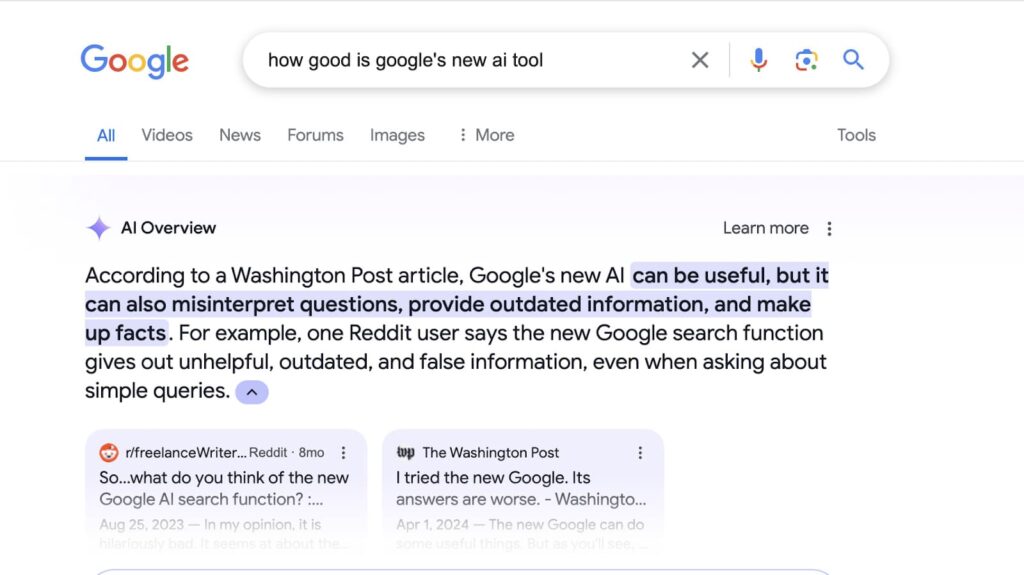
This is not just an SEO tool that helps analyze huge volumes of informational materials faster, but also a web mechanism capable of identifying patterns and differences that are difficult and complex to detect manually. Based on it, SEO experts can predict results much faster, improve recommendations, and accurately assess the success of the strategies that will be implemented in a business project during promotion.
Scaling SEO Without Scaling Teams
Competent SEO automation opens up the opportunity for ambitious brands to increase their workload and the number of projects without expanding the team (without hiring employees, staff). Essentially, one expert can competently manage multiple websites and tasks simultaneously thanks to such a popular optimization tool as artificial intelligence, one of the core functions of neural networks being process automation.
Benefits and Limitations of Automation
Proper, well-thought-out, and clearly planned SEO automation can not only save time for ambitious brands but also reduce the number of errors in operational processes. It also accelerates decision-making during the promotion of a business project. At the same time, an SEO tool will by no means replace human expertise and the strategic thinking of a marketing expert, but will only complement the assumptions and ideas of an SEO specialist.
What To Look For in an SEO Automation Tool
When choosing an SEO tool, it is important to understand which functions and options it performs. This is necessary in order not to outsource tasks to a virtual assistant in the future. To decide on an artificial intelligence platform, you can read specialized AI overviews. By selecting the most suitable SEO tool that matches the tasks and business goals, you can expect improvements in AI visibility, traffic, rankings, and brand operational processes.
Usability and Learning Curve
A professional tool should not only be intuitive to use but also should not require excessive time for training. In fact, the easier the interface is to understand and the simpler the logic of AI search, the better. After all, a modern business or ambitious brand will start achieving the desired results much faster when promoting a project on the Internet.
Coverage Across SEO Activities
Businesses first need to check whether the chosen SEO tool covers the key SEO areas that are important to them. For example, this includes audits and analysis, position and ranking monitoring, competitor analysis in the market, working with content, link equity, and so on. The point is that the broader the coverage, the less a modern brand will need to read AI overviews, and the fewer additional web services it will need to use.
AI and Data Accuracy
It is very important that the system automatically uses modern web technologies and can offer (provide/recommend) the most accurate and up-to-date information (data, materials) to a brand. The quality of the content found through AI search will determine the future quality of data analysis, as well as the success of an individual SEO promotion strategy.
Integrations and Workflow Fit
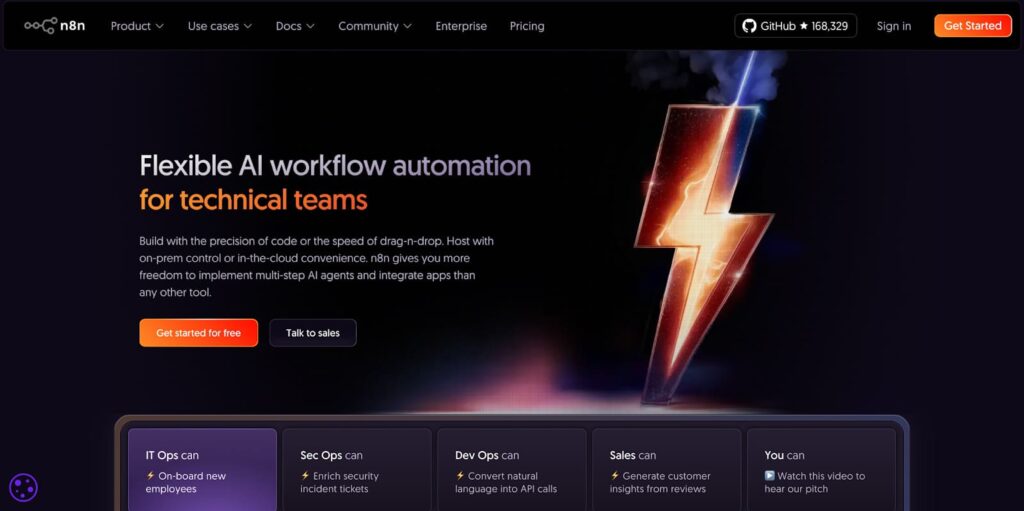
The web tool selected by an ambitious business should integrate very easily with other AI search systems. The reason is simple: analytics, marketing, and CMS will then be of high quality and can be relied upon. In addition, a web tool for automating workflows, properly chosen with the help of AI overviews, will accelerate promotion efforts and simplify the management of routine tasks within a unified workflow.
Pricing and ROI
At this stage, brands have an important task — to assess the cost of a web tool in relation to its benefits, functionality, and the time savings it provides during use. The point is that professional SEO solutions are almost always cost-effective measures that bring value to modern businesses by helping achieve initially set goals, such as improving AI visibility, traffic, website rankings, and much more.
Types of SEO Automation Tools
Today, there are many web tools on the market that are changing the way marketing experts approach planning, writing, and performance tracking. Each AI model combines automation, full-scale modeling of keyword intent, and predictive analytics. Therefore, by selecting a competent technology, a brand gains not only high-quality AI-generated content on its website but also growth across key performance metrics.
Keyword Research
Web tools for comprehensive keyword and phrase research help businesses identify and quickly determine how to build the semantic core of a website. AI technology can also automatically assess which multi-frequency and relevant queries are best suited to a particular brand niche and its AI content, selecting keywords based on seasonality, competition, goals, and other factors.
Content Optimization
By using AI technology to optimize informational materials, a brand can rely on the automatic insertion of the necessary keywords into textual content. In addition, the AI model will automatically generate the structure, create an article outline, and monitor the quality of writing so that an article, post, or similar content is readable, clear, and engages the target audience in the purchasing process.
Rank Tracking and Reporting
Thanks to modern AI services that track positions, brands can record all changes in website rankings for selected keywords and phrases. In addition, the AI model will generate reports, create interactive visualizations, and assess the dynamics of SEO performance results. This will significantly save time on manual data rechecking.
Technical SEO
Active use of technical optimization based on an AI model will allow businesses to recheck website page loading speed, identify indexing errors, and detect duplicate pages. In addition, broken links and other technical issues can be easily found. Taking the situation into account, the AI bot will automatically generate recommendations on how to resolve problems and improve AI visibility in search, and eliminate factors that hinder rankings.
Outreach Automation
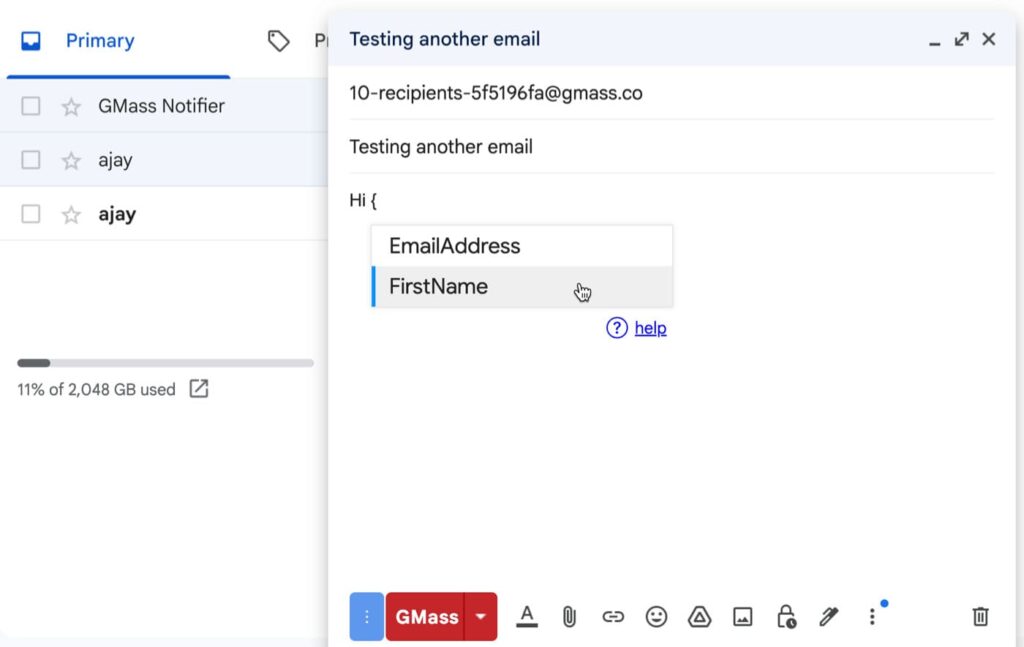
This web technology, based on an AI bot, is capable of quickly finding contacts of celebrities, opinion leaders, bloggers, and various specialists. It can also provide answers to AI queries on how to properly automate online message outreach, request information on how to manage backlinks more easily, and so on. Thanks to such virtual communication, it is possible to build a strong backlink profile and expand a partner base.
AI-Powered SEO Platforms
Web platforms powered by AI bots combine many useful options for ambitious brands, including data analysis, result forecasting, and the provision of automated recommendations. Thanks to such first-class features, businesses can identify patterns, shortcomings, and other nuances that are difficult to detect manually and eliminate them promptly, improving SEO efforts and saving time in the process.
Best SEO Automation Tools for 2026 (Free and Paid)
When choosing the best AI tool in 2026 for performing SEO work at a professional level, it is worth paying attention to the algorithms behind the artificial intelligence software, reviews from real clients, and functional capabilities. The simpler, more intuitive, and easier an AI bot is to use in practice, the better it is for ambitious brands and businesses. In addition, it should have broad functionality and an interactive ability to evolve and improve in line with enhancements to the algorithms of the global Internet ecosystem.
Enterprise SEO Platforms
Enterprise optimization is a type of SEO promotion used on a large scale or on web resources that contain thousands of web pages. It is necessary to attract a large volume of high-quality organic traffic to various corporate web assets.
BrightEdge is an excellent brand and one of the comprehensive resources that is suitable for leading corporate platforms of modern brands and ambitious businesses. The service combines not only SEO analytics, which is important for promotion on the Internet, but also other web tools. This includes keyword research and also provides useful recommendations based on AI algorithms. It is an excellent solution for those brands that work with global content and complex SEO campaigns. One small drawback is that the data reports generated by the service need to be rechecked and compared with additional resources.
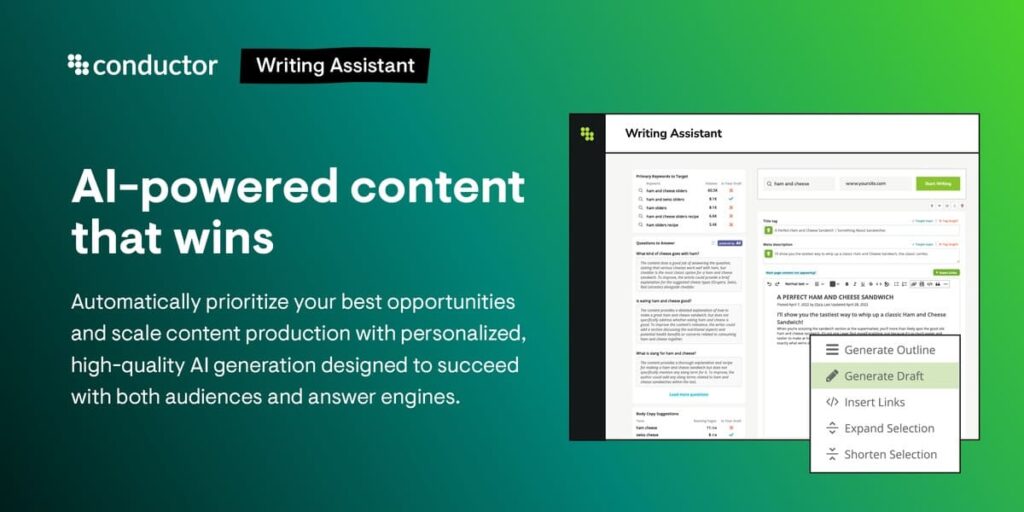
Another equally strong example of a web automation tool is Conductor. This brand helps perform in-depth analysis, specifically of organic traffic. The service also provides SEO monitoring and content optimization. Modern brands highly value it for its deep analysis of search trends, competitive strategic plans, and integration with data on target audience intent. This platform turns a labor-intensive process into a structured operation by automatically performing repetitive tasks. One small drawback is the fee for using the service, which businesses need to pay.
On-Page & Technical Optimization
On-page SEO is the internal optimization of web pages that is necessary to improve page content for better rankings of a business’s web resource and to make pages more relevant to search queries. Technical optimization, in turn, is required to achieve the best possible performance of a brand’s website in search engine results (in essence, the resource must fully comply with all the requirements of major search engines such as Google and others).
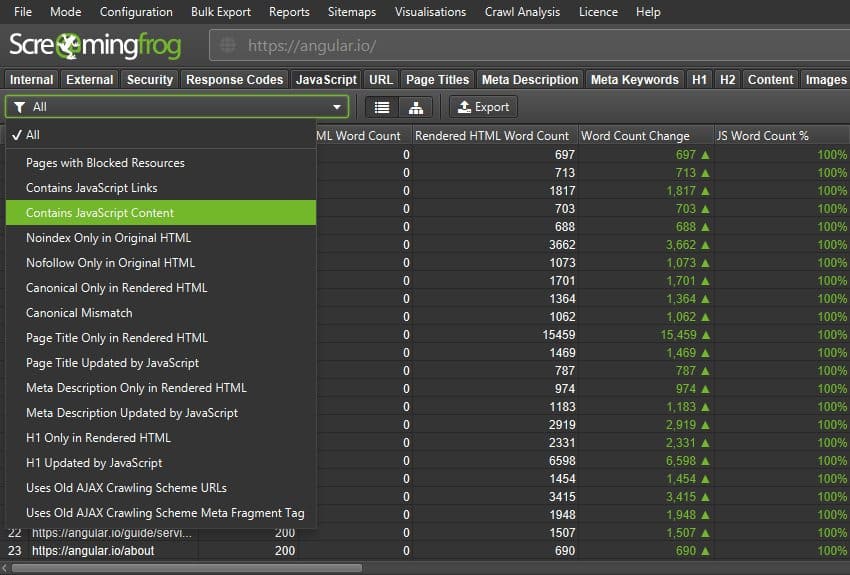
An excellent example is the web tool for automatic scanning of web resources for technical errors called Screaming Frog SEO Spider. The service can quickly detect broken links, meta tags, and duplicates. It is very often used by marketing experts for deep analysis of large web resources. As for the drawbacks, the software has a rather complex interface that can be difficult to understand.
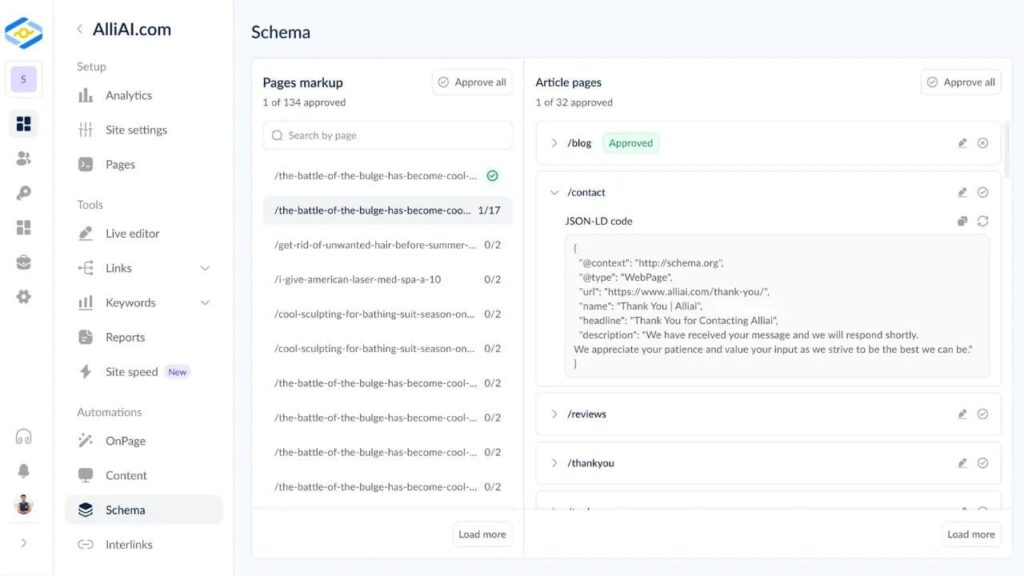
Another good example is the Alli AI service. It is capable of automating the on-page optimization of a brand’s website pages and showing which technical adjustments need to be made if technical issues are present. Thanks to the service, changes can be implemented quickly. A downside is its limited flexibility for unique web resources, but it has more advantages, such as a real-time editor, a markup generator, a website speed optimizer, metadata improvements, and much more.

Best AI SEO Tools
It depends on the specific goals of a brand or business. Each web tool stands out due to different functions, processes, concepts, and formats of work, whether with content, analysis, or other types of strategies.
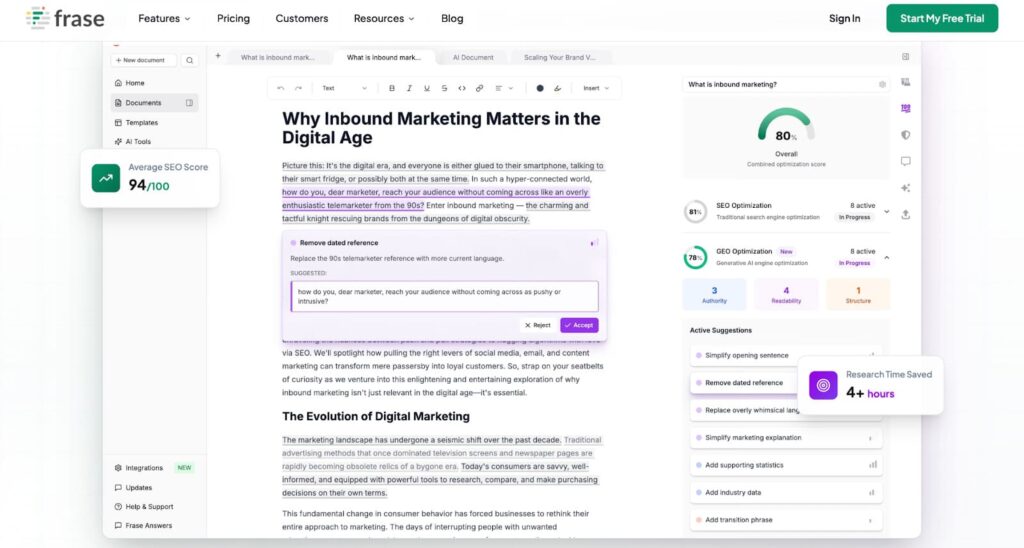
One of the best on the market is the AI technology Frase. It is a paid solution, but reasonably priced considering the scope of the AI bot’s capabilities. It is well-suited for researching topics, creating SEO briefs, and optimizing informational materials for search intent. Marketing experts often use it to generate recommendations on content structure and key topics, but it does not replace the development of an individual strategy, which is important. A minor drawback is its limited keyword and phrase research capabilities.
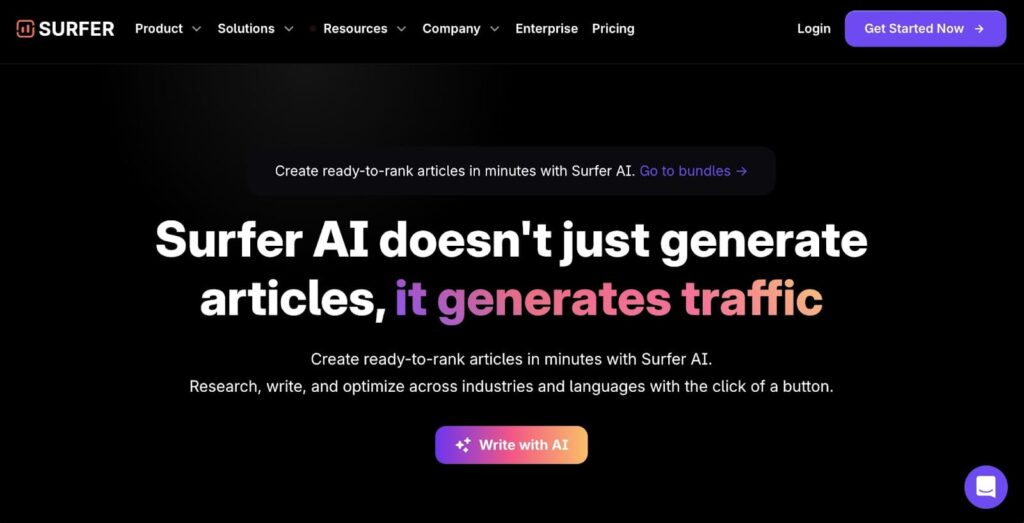
Another strong platform is Surfer AI. Businesses use it for active analysis of top-ranking pages in search results. In addition, the service automatically provides brands with immediate suggestions on what needs to be changed in the text to improve website rankings. This platform is effective for improving content on blogs and landing pages and is distinguished by the availability of practical recommendations. A drawback is that the number of available queries for a brand depends on the plan it chooses.
An excellent online bot is the AI system NeuralText. It performs clustering of keywords and phrases and plans topics using AI algorithms. The platform applies AI-based automation to segment thousands of queries within minutes. It is ideally suited for businesses that focus on conducting large-scale research campaigns. A drawback is that the generated content may sometimes not be one hundred percent unique.

Free Automation Tools
Thanks to free AI bots, businesses and brands can openly and transparently use the available features without financial investment when promoting a business project. This significantly saves budget and allows investments to be allocated to other areas, such as advertising, and more.
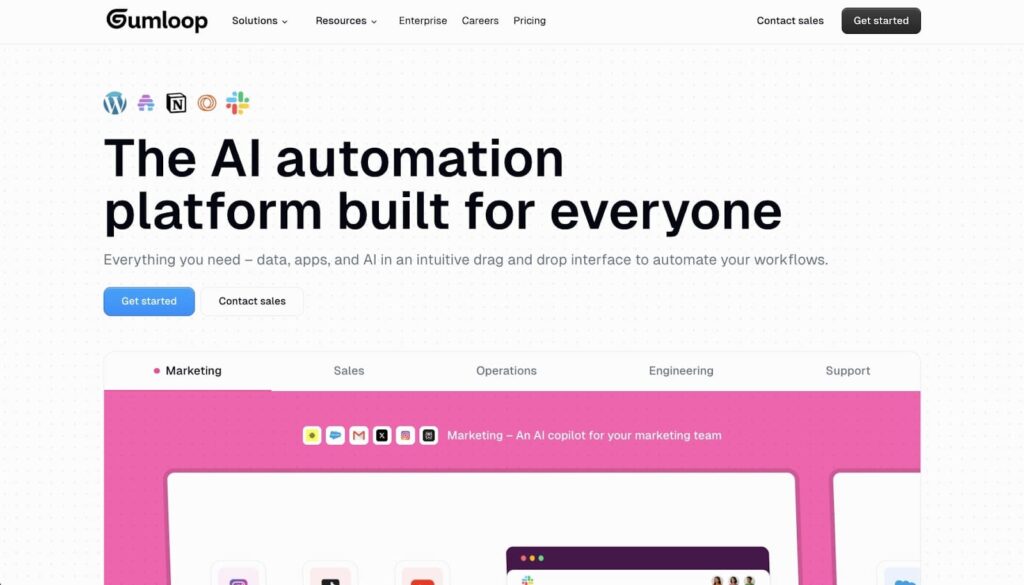
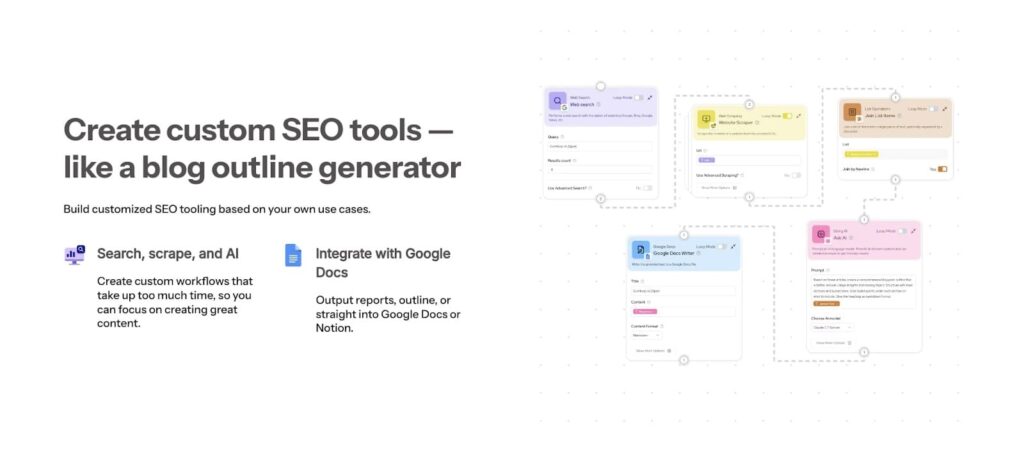
A good example of a free web tool is Gumloop. The platform allows users to create website structures, analyze keywords, and perform web scraping when necessary. The technology stands out for adding an LLM layer to workflow automation. A drawback is the need for setup and technical integration.
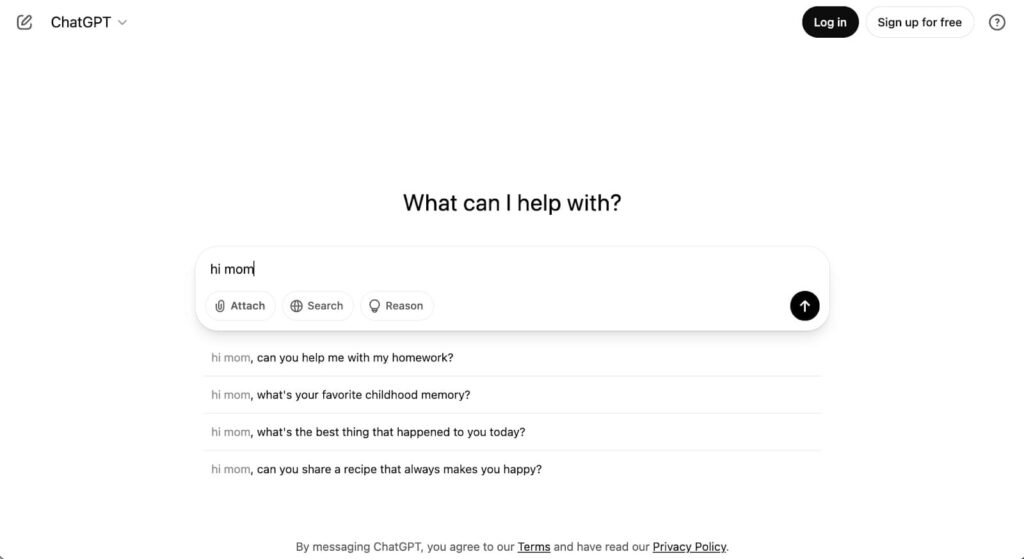
A very popular technology is ChatGPT. It brings together virtually everything: the ability to create unique content and generate images, ask for advice and recommendations. Through the service, users can search for any information or conduct in-depth research on ideas for headlines, subheadings, and much more. For SEO professionals, it is a true modern must-have. Among the drawbacks is that the chatbot does not always provide fully accurate data, so prompts often need to be reformulated to obtain more precise answers.
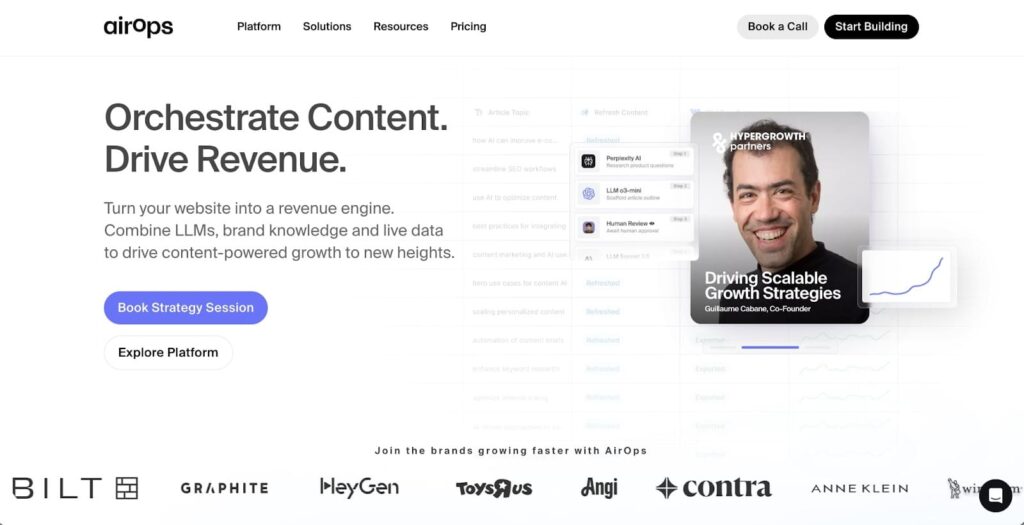
Another AI bot that brands should consider using is AirOps. It is not only free at the initial stage of use but is also suitable for creating content plans at scale. Essentially, any content-related automation — editorial content development, creation of a large number of targeted web pages for editorial materials, and much more can be executed through its AI algorithms at a very high level. A drawback is that the technology has rather limited functionality.
How SEO Automation Tools Improve Rankings
With the help of innovative AI technologies, businesses can more quickly identify real opportunities for growth and timely resolution of issues related to website ranking performance. Moreover, they can more easily break through informational noise and find truly useful solutions. In addition, brands can organize powerful integration of AI models, create clear interfaces, manage tasks efficiently, and produce content that aligns with the evolution of major search engines.
Faster Data Analysis
Professional automation based on AI tools opens up broad opportunities to quickly collect and analyze massive volumes of SEO data. This approach helps ambitious brands make timely decisions, respond rapidly to changes occurring in search results, and implement new ideas that align with the algorithms of online bots.
Scalable Content Production
Thanks to modern AI models, businesses can significantly simplify the planning of any tasks and ideas. In addition, brands can organize optimization efforts to create creative and engaging content in large volumes for all necessary web pages of a business website. As a result, large amounts of informational materials can be implemented without losing content quality, although human editing and proofreading should still be present.
Technical Monitoring
Performing checks of the technical condition of an ambitious brand’s web resource is an important task, so by using AI technology, it becomes possible to identify errors more quickly. In addition, there is an opportunity to eliminate various or emerging issues before they negatively affect the decline of positions and rankings of a modern business’s web resource as a whole.
Authority Building
If a business plans to build a strong backlink profile, an AI assistant will definitely help with this. The reason is that automated web tools help organize work with backlinks and brand website mentions in a highly systematic way. This approach significantly simplifies the growth of authority and reputation of a business web resource, strengthens its positions in major search engines, and makes online rankings more stable.
How Marketers Use SEO Automation in Practice
Today, marketing experts use AI bots at every stage of SEO promotion. Ideas for keywords, phrases, and topics are generated based on machine learning analysis, while individual content plans are developed using real-time data. For example, tracking the success of SEO efforts now happens automatically through analytical SEO dashboards powered by AI algorithms. This process has become much faster and accurate than ever before.

Automating Weekly SEO Workflows
Marketing experts can automate weekly tasks such as position tracking, web page checks, and updating keywords and phrases. Thanks to AI technology, which essentially runs the analysis of required data on its own, time can be saved. In addition, this makes it possible to detect changes in search results and respond to any fluctuations without manual checks.
Monitoring Site Health
If special automated scans are used when working on a business promotion project, the technical health check of a business web resource will be carried out much faster. In addition to identifying major indexing errors, it becomes possible to understand why rankings have declined, page loading speed has decreased, and other parameters have worsened regularly. Notifications about issues will be delivered instantly by AI bots.
Scaling Content Pipelines
Modern AI technologies help in many aspects of promotion — topic planning, generating content structures, optimizing articles, and other data. This approach makes it possible to create significantly more useful and customized informational materials without increasing the number of SEO specialists on the team. AI systems analyze search intent and competitor data to improve the visibility of published content.
Centralizing Reporting for Teams
AI systems are configured to bring together data from completely different and otherwise incompatible web sources. As a result, businesses find it easier to conduct technical audits, perform analytics, and consolidate all data into a single framework. This approach significantly simplifies teamwork and KPI evaluation. It also helps marketing experts involved in promotion make informed decisions and track progress based on unified, consolidated, and up-to-date information.
Common Mistakes When Using SEO Automation
On the one hand, AI technologies simplify research and optimization, but on the other hand, automated results often miss tone, nuances, or local context. Essentially, generated content that may be duplicative, templated, or repetitive cannot be used, as this creates a risk of losing connection with readers. AI algorithms also do not interpret emotions and focus only on strategy, which creates a risk of misinterpreting certain queries. In addition, it is necessary to maintain editorial control over content, its relevance, and the verification of factual accuracy.

Over-reliance on AI Content
It is not advisable to focus solely on content generated by AI algorithms. Such content can be too uniform, superficial, or overly simplistic. Texts are better created with emotional nuance in mind or refined with the help of a copywriting expert or SEO editor so that they fully align with search engine algorithms, search intent, and the expectations of the target audience of an ambitious brand or business.
Using Wrong Metrics
Focusing exclusively on rankings or the number of keywords or phrases implemented in a business project is not sufficient. When promoting with AI models, modern brands should place greater importance on traffic, engagement, and conversion rate growth. Formal metrics are useful, but a clearly planned AI-driven strategy is far more effective for website promotion on the Internet.
Ignoring Human Review
Ambitious brands may choose to completely abandon manual review, but this carries a significant risk of mistakes. This includes not only receiving incorrect recommendations from an AI bot, but also conducting low-quality analysis of informational materials. Only the expert judgment of an SEO professional can adapt automated data to real business objectives.
Automating Low-Impact Tasks
If a modern business decides to fully automate its processes, it may achieve some results. However, whether those results will bring tangible value to the brand is a major question. It is far more effective to use AI models and process automation strategically, with proper AI configuration, focusing on tasks that can directly and positively impact visibility, traffic, and rankings of an ambitious brand’s web resource.
Final Thoughts: Automation + Human Strategy = Best Results
Due to the hyper-fast development of AI algorithms, it is important for ambitious brands and modern businesses to keep pace with the times and incorporate them into their concepts and strategies. However, AI tools cannot replace professional SEO work performed by expert marketers. Essentially, AI models automate the identification of patterns and the creation of reports, but the final strategy will still be far from expert-level, fully individualized, and thoroughly interpreted for a specific business niche. Human experience provides context that AI algorithms are not yet able to deliver.
Frequently Asked Questions
Are SEO Automation Tools Worth the Cost?
Today’s fast solution may turn into so-called technical debt tomorrow. Essentially, basic web tools can not only limit a brand’s capabilities but also actively restrain its growth. On the one hand, AI bots represent the future that optimizes time and effort and performs tasks. On the other hand, it is important to use them competently so as not to lose financial resources on paid AI concepts. If machine learning is properly understood and applied, there is a high probability of using AI-driven automation correctly and profitably. In addition, the monthly cost of a web tool should be lower than the hourly cost of human labor — only in this case is the use of AI tools truly worth it.
Can SEO Be Fully Automated?
It is impossible to fully automate professional SEO. The reason is that strategy development, understanding search intent, and assessing content quality require human thinking. Automation technologies handle routine tasks, analysis, monitoring, and similar processes very well. However, the best results can only be achieved by combining automation with expert human input.
Are AI Tools Safe for SEO?
Modern AI bots are absolutely safe for SEO optimization if they are used correctly, responsibly, and consciously. They are not capable of violating the rules of search engines (Google and others) on their own, but there are risks related to content quality. Content may be poorly written, low-quality, or repetitive. One of the best approaches is to use an AI model as an assistant rather than a full replacement for SEO expertise.
Do Automation Tools Replace SEO Specialists?
Automation web technologies cannot replace real SEO experts with practical experience or professional marketers. AI bots only assist them in their work by enhancing it — taking over routine tasks such as data analysis and similar activities, allowing specialists to focus on planning concepts, ideas, and strategies for successful promotion. Without competent human expertise, automation alone cannot ensure sustainable growth, long-term results, or success.



Ihor Volovoy