Margaret is the Head of Marketing at Elit-Web and a marketing strategist with 5+ years of experience in B2B and B2C digital marketing
Web2 platforms decide who sees your ad, how much it costs, and what data you get back. In web3 (or decentralized web), that dynamic changes. Through tokenized ecosystems, users often retain control over their data, vote on decisions, and choose which brands deserve their attention. This shift changes what a marketing budget even buys. Instead of relying only on Google or Meta, brands build communities that people want to join.
What Is Web3 and Why It Matters for Marketing
Before comparing tactics, it helps us to define the term clearly. The web refers to the decentralized layer of the Internet, built on blockchain. Users own their data and digital assets instead of renting access through a platform. For marketers, that ownership shift changes the audience relationship, campaign funding, and success metrics.
Web3 vs Web2: Key Differences
Web2 campaigns rent attention. Brands pay Google or Meta to reach an audience the platform controls, while all data about that audience remains locked within the platform.
The decentralized web flips this. Users aren’t just customers. They can become a stakeholder, vote on decisions, and retain control of their data. That difference is why web3 marketing strategies center on community incentives and direct ownership.
Expert Insights
Ihor Volovoy
CEO & Co-founder at Elit-Web
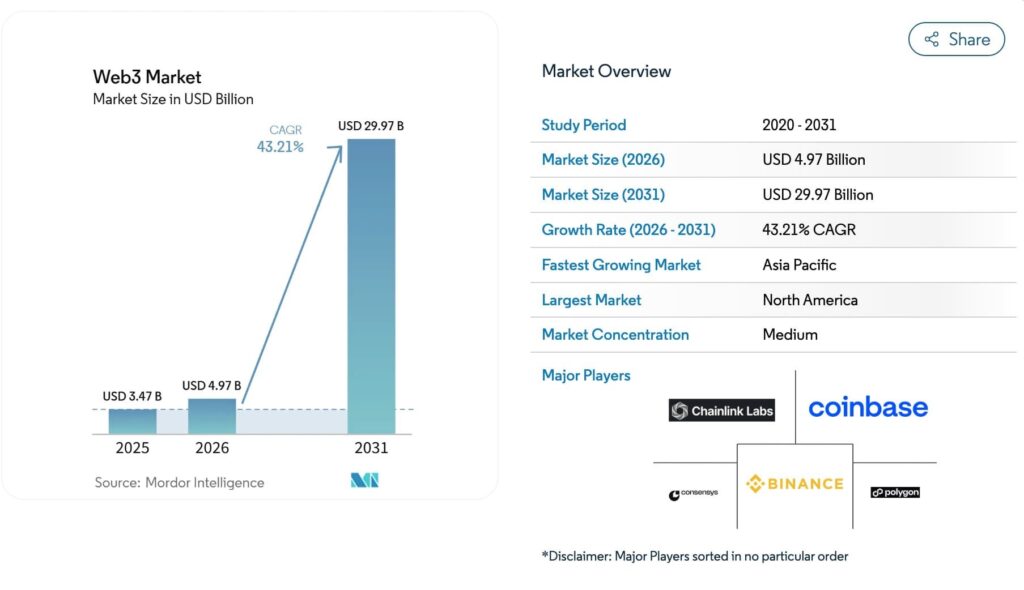
With the Web3 market projected to grow from $5B in 2026 to $30B by 2031, traditional Web2 ad models are losing their edge. On-chain behavior targeting already converts up to 35% better by focusing on verified wallet activity rather than static cookies. What actually drives results is turning users into active stakeholders through tokenized rewards and community ecosystems. Web3 marketing is no longer optional — it’s essential infrastructure for long-term brand retention.
Why Web3 Matters for Brands Today
Web3 isn’t a niche experiment anymore. Analysts project the decentralized web market to grow from roughly $5 billion in 2026 to nearly $30 billion by 2031. Mainstream brands are already testing the model of web3 advertising. For example, FIFA Collect has grown into a loyalty and ticketing layer for the World Cup, passing 85,000 registered wallets and $118 million in total volume by mid-2026. Coinbase One is following the same on-chain rewards logic at a consumer scale, with membership nearing one million people across dozens of countries.
This is the practice of promoting products and communities through channels built for that ecosystem. For instance, it can include Discord, on-chain data, token incentives, or KOL networks. These strategies still borrow tools from conventional digital marketing services like SEO, content, and paid placements. But the goal shifts from clicks to a wallet connection. Web3 marketing campaigns are judged on community engagement as much as reach.
Core Web3 Marketing Strategies
Beyond the basic funnel, three levels matter most. It includes the community itself, immersive virtual environments, and AI tuned to on-chain behavior. Each of them works differently from its Web2 counterpart. Let’s take a look.
Community-Driven Growth Marketing
Token-gated communities change the brand and user relationships. Members vote on governance, get early feature access, and share their own results instead of consuming a brand’s content. This is why growth marketing strategies lean on community participation over polished ads. A community member sharing real experience is more convincing than a sponsored post. Projects that treat the community as core product infrastructure often achieve stronger retention.
Metaverse Marketing Campaigns
Brands are already testing dedicated virtual spaces rather than one-off stunts. The most established platforms include The Sandbox (4.8 million wallet connections per month tied to gamified real estate). Decentraland (with a decentralized governance model), and Somnium Space (focused on VR experiences). It proves that these campaigns work best as a persistent presence, not a single sponsored event that disappears after launch.
AI-Powered Web3 Marketing
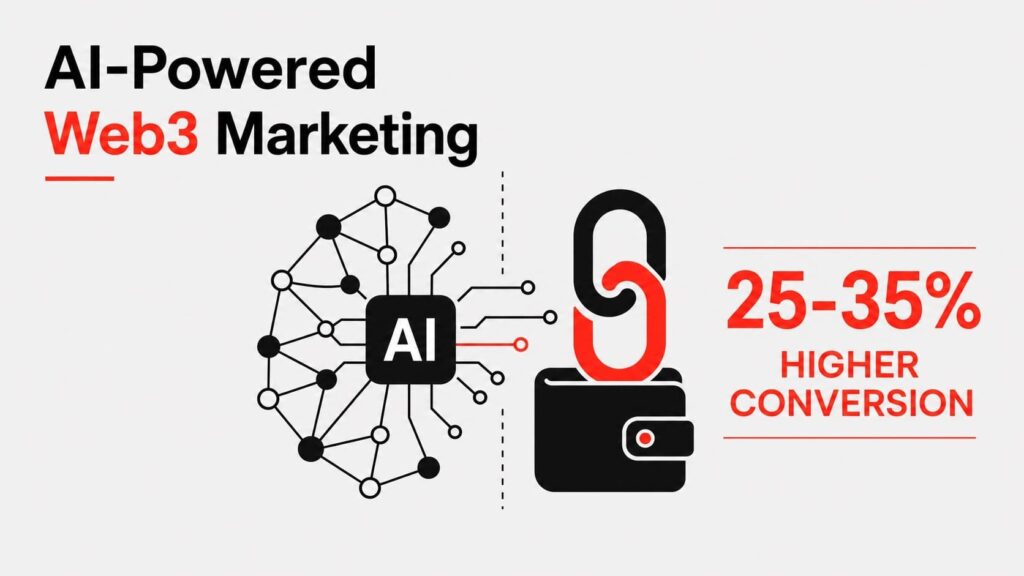
AI models analyze publicly available blockchain and wallet data the same way traditional tools process cookie data. This analysis identifies which users are yield farmers, NFT collectors, or first-time wallet holders. Dynamic, behavior-based content has been shown to convert 25-35% better than static campaigns. For a marketer, this shifts targeting from broad demographics to verified on-chain actors, without needing to touch personal identity data.
Web3 Digital Marketing Services
Most agencies bundle these under one banner. Still, they solve different problems at different stages. Strategy works to set direction before any budget moves, campaign management runs the day-to-day channels once that direction is set, and community services build the space where users actually stick around after the campaign ends.
Web3 Marketing Strategy & Consulting
Before a single ad runs, this stage answers the questions that determine whether web3 marketing spend gets wasted. For example, what’s the actual narrative, who’s the realistic audience, and which competitors already own that positioning? Consulting also covers Web3 business advertising compliance. In particular, it flags which claims trigger securities scrutiny before they go live, not after a regulator notices.
Web3 Marketing Campaign Management
This stage focuses on execution. Our team runs web3 marketing campaigns across KOL partnerships, crypto-native ad networks, and content calendars. Then, tracking results against wallet connections and on-chain conversions rather than clicks alone. Good campaign management means adjusting web3 advertising spend weekly based on what the data shows.
Metaverse & Community Marketing Services
This covers the parts of Web3 marketing that don’t fit neatly into a paid media dashboard. It includes Discord and Telegram moderation, virtual event production inside platforms like Decentraland. Also, loyalty or access programs that reward long-term holders differently from one-time buyers. It’s slower to show results than a paid campaign, but it’s usually what keeps a community alive after the initial launch hype fades.
Benefits of Web3 Marketing for Your Brand
The tactics get most of the attention, but the underlying benefits are what actually justify the investment to a CFO. It’s easy to describe a token drop or an on-chain rewards program in a pitch deck. But proving that it improves retention, cuts ad spend, or grows revenue can be harder. That distinction is exactly what separates brands treating Web3 as a marketing novelty from those treating it as infrastructure.
Direct Ownership & Community Trust
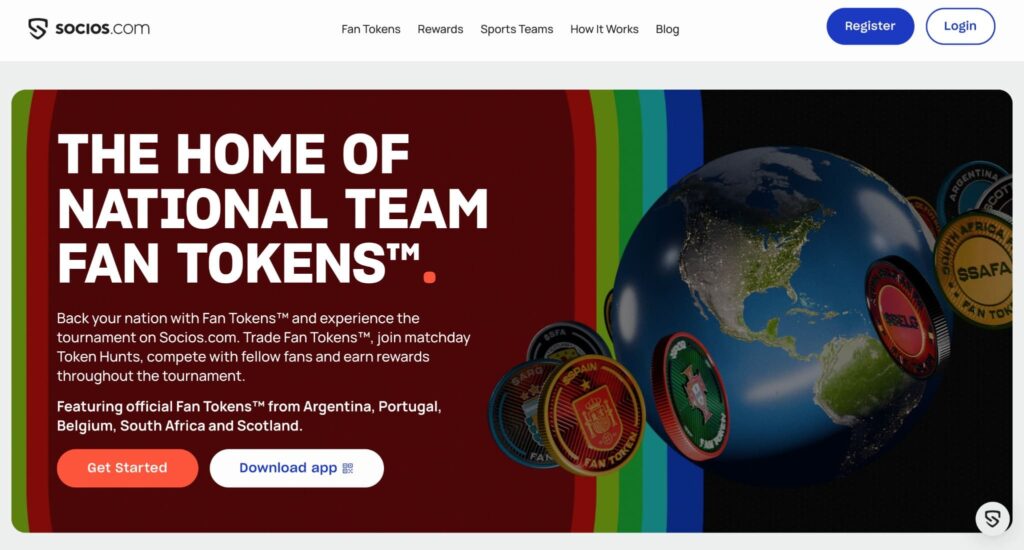
When token holders can vote, verify claims on-chain, and see how a project operates, trust builds faster than through traditional advertising. Socios.com’s football club fan tokens demonstrate this approach. Members aren’t just customers redeeming points. They hold a stake that makes them more likely to defend the brand publicly and stick around after a bad quarter.
Ad impressions remove the need to trust a platform’s self-reported numbers. Consortiums including Unilever, Toyota, and IBM have used shared-ledger verification to cut disputed ad invoices by up to 60%, since every impression is recorded on an immutable ledger that both sides can check independently, rather than one party auditing the other’s word.
Discover Untapped Web3 Digital Marketing Opportunities
Our experts analyze your crypto acquisition channels, on-chain metrics, and conversion funnels to identify where you’re losing high-value users and leads. Get a clear growth roadmap showing how to scale your lead generation, optimize ad spend, and maximize ROI.
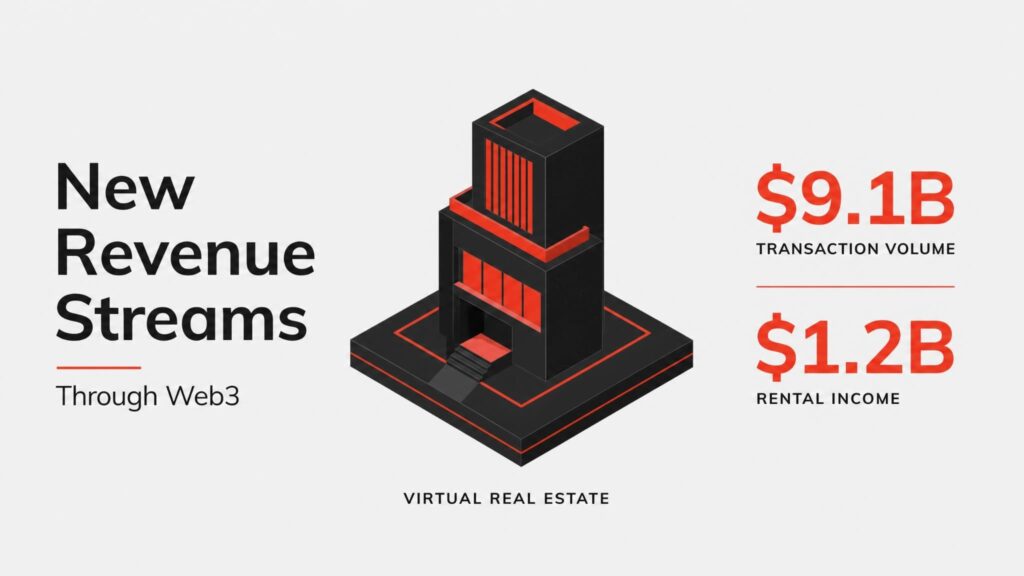
Virtual real estate alone generated $9.1 billion in transaction volume across platforms like Decentraland and The Sandbox in 2025, with brands earning over $1.2 billion in rental income from hosting events and storefronts in these spaces.
Web3 vs Traditional Digital Marketing
The gap between the decentralized web and traditional marketing efforts is the measurement layer for both of them. A campaign built on cookies and click-through rates doesn’t translate to an audience that connects wallets instead of filling out forms.
How Web2 Marketing Falls Short in a Web3 World
Third-party cookies and pixel tracking assume a logged-in user with a persistent identity. Wallet-based users don’t work that way, and standard marketing attribution tools lose them when they leave a website to interact with a smart contract.
In addition, mainstream ad platforms restrict or ban crypto-related promotion outright, cutting off the exact acquisition channels a Web2 campaign would normally lean on first.
Adapting Growth Marketing for Decentralized Platforms
This type of marketing means swapping paid-acquisition funnels for incentive-aligned loops like airdrops and token rewards. They turn early users into recruiters, on-chain analytics that replace pixel-based attribution, and community platforms that double as the product’s support channel. Effective Web3 marketing strategies treat these loops as the primary growth engine, with paid channels playing a supporting role rather than driving the funnel.
Final Words
Decentralized web campaigns in digital marketing reward brands that treat the community as a stakeholder, not an audience to advertise to. That shift is already measurable. As we mentioned, the decentralized web market alone is projected to grow from $5 billion to nearly $30 billion by 2031. The brands moving early are the ones capturing it. Waiting for the market to fully mature means competing for attention that’s already claimed. Start with one channel, measure on-chain, and build from there.
Frequently Asked Questions
What makes Web3 marketing different from Web2 marketing?
Web2 marketing rents audience access through platforms like Google and Meta, which control the data and the relationship. The decentralized web builds direct, token-aligned relationships instead. Thus, community members hold a stake, vote on decisions, and can verify claims on-chain rather than trusting a platform’s reporting.
How much does Web3 digital marketing cost?
Enterprise marketing campaigns typically start around $10,000/month for full-service agencies, though smaller strategy consulting engagements or single-channel work can run lower. Cost depends heavily on scope: KOL campaigns, paid crypto-native ad networks, and ongoing community management all add separately to a base retainer.
Which industries benefit most from Web3 marketing?
Banking and financial services currently hold the largest share of decentralized web activity, leveraging blockchain for cross-border settlement and transparent reporting. Retail and e-commerce are growing fastest, using token-based loyalty and direct creator commerce, while gaming and real estate are building out virtual-asset revenue streams alongside traditional models.
Who is a Web3 marketer?
A web3 marketer blends traditional marketing skills with fluency in on-chain data, tokenomics, and community platforms like Discord and Telegram. Unlike a standard digital marketer, they measure success through wallet connects and governance participation, not just clicks and impressions.
Ready to scale your crypto project with high-intent users and measurable revenue?
Elit-Web helps crypto and Web3 brands scale through performance-driven marketing strategies tailored to your target audience.
We go beyond surface-level metrics: we audit your lead generation channels, eliminate funnel drop-offs, and build predictable acquisition engines. Best of all, our approach is strictly performance-driven — we focus on real outcomes, and our fee is directly tied to the results we deliver.
Margaret is the Head of Marketing at Elit-Web and a marketing strategist with over five years of experience in B2B and B2C digital marketing. She specializes in SEO, AI search optimization, content strategy, paid advertising, and social media growth. Her background includes developing and executing full-funnel marketing strategies for service-based and eCommerce brands in highly competitive markets. Margaret's main interests lie in performance-focused SEO, content frameworks, and scalable marketing systems that help brands grow visibility and conversions across channels.
Unlock Business Growth with Our Performance-Driven Approach
Don’t pay for marketing process. Pay for performance. Your investment is aligned with measurable performance and real business impact, not just completed tasks.
Ready to scale your brand with performance-driven marketing? Let Elit-Web turn your digital presence into a revenue engine! Get in touch with us today.
We optimize the site, create a personalized marketing experience and collect site usage data and analytics. By clicking "Accept", you agree to our use of cookies.