Casino Marketing Strategies That Drives Results
Your casino is an original part of the gambling market and an appealing venue for your target group. Do they understand that? With the correct digital marketing, your establishment may transform from a middle-of-the-pack competitor to an industry leader.

In this article, we’ll look at tried-and-true casino industry methods that are sure to help your business. They can all be implemented both now and in the future. What is the best feature? The majority of the concepts listed here are simple and affordable to execute.
What Is Casino Marketing?
Casinos must approach marketing like any other business expense. That entails setting clear goals, knowing where your money will go, and analyzing ROI on every activity. Marketing materials must present a positive image as an entertainment destination for both locals and tourists. The goal should be to set themselves apart from competitors and communicate their unique value proposition. It differentiates you from your competition.
Core Principles of Effective Casino Marketing
There are numerous approaches to marketing within casinos; therefore, there is no such thing as a single perfect marketing plan that applies universally across all casinos, but we can lay out some broad concepts that apply to the majority of casino marketing initiatives. To get started with casino marketing strategies, follow these guidelines. They apply to all forms of marketing. Affiliates might utilize them to assess current assets and tailor new ones.
Data-driven Targeting
Casino marketers use customer data to forecast their requirements, aspirations, and future behaviours. Such information aids in the development of tailored casino marketing strategies for return. The majority targeted men, mainly for betting and gambling, whereas bingo websites were identified as targeting women. Sadly, the third theme identified was that ads focused on vulnerable populations, including young people and at-risk gamblers.
Player Behavior Insights
The four Ps are product, price, placement, and promotion. They are an example of a toolbox that casino marketers employ to accomplish their marketing goals. Here is how cohorts can be categorized:
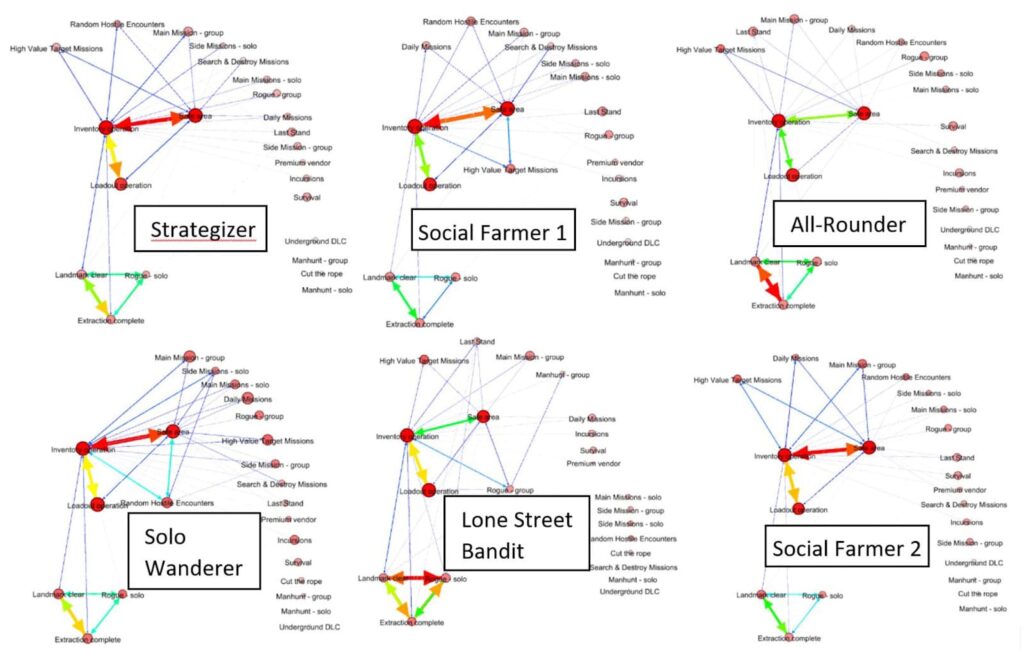
However, where do you get your insights? Analyzing player data, tracking in-game actions, and evaluating ad engagement can provide insights about preferences and future behavior.
Omnichannel Optimization
Omnichannel optimization is developing a consistent and individualized gambling consumer experience that includes all digital touchpoints. This marketing plan leverages data across channels to create revenue by providing a consistent customer journey, whether a patron is in a real casino, using a mobile application, or connecting with a casino on social media.
Consistent Branding
Maintaining casino brand consistency across all touchpoints is critical to a casino’s success. Consistency in branding and content (ad asset) distribution guarantees that the casino’s brand messaging, graphic aspects, and overall experience are consistent.
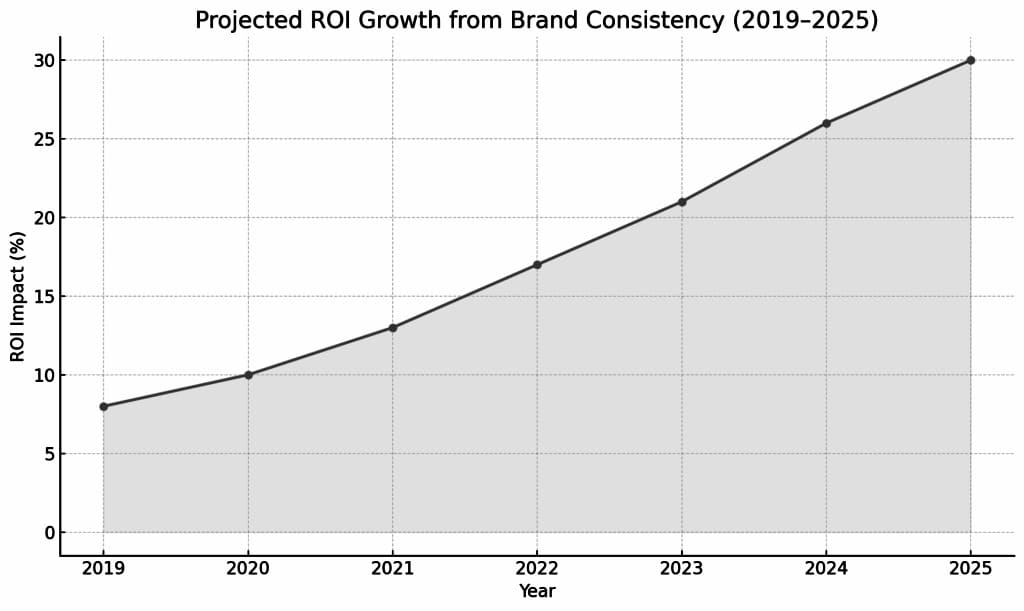
It will be stable, independent of the platform or channel through which customers interact with the casino site.
Best Casino Marketing Strategies for 2026
In 2026, casino marketing strategies will rely more on data-driven insights, regulatory compliance, and precise targeting across digital media. Through behavior-triggered ads and strategies, aim to improve player acquisition and retention rates. Tracking, segmentation, and lifecycle modeling enable operators to alter marketing campaigns in real time.
Personalization Through Data Analytics
Use multi-source player data to gain meaningful insights into preferences and behavior. Real-time analytics allow for adaptable game experiences and targeted engagement techniques. This leads to increased retention, lifetime value, and return through exact customisation.
Segmentation based on player value and behavior
Clustering algorithms can be used to classify players based on their wagering patterns, frequency, and profitability measures.
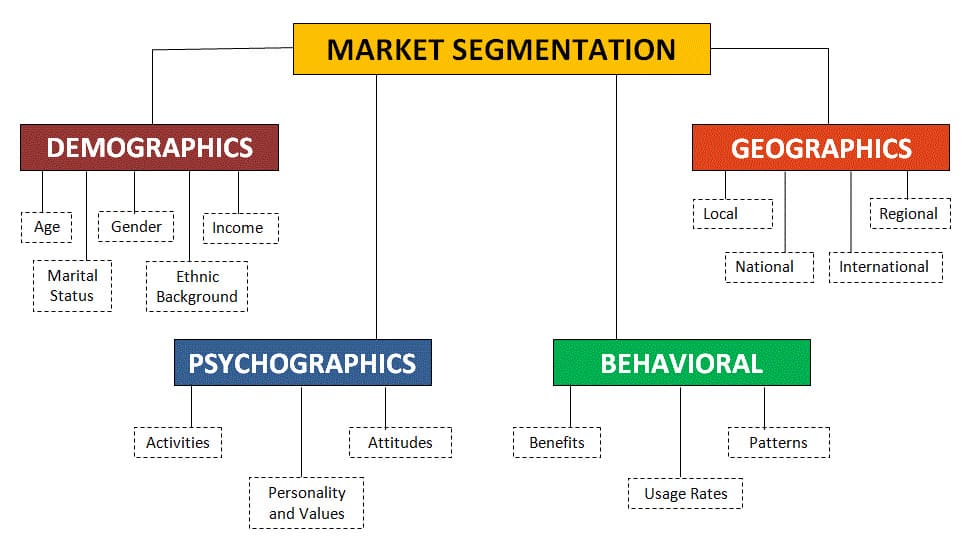
This segmentation influences tiered rewards, loyalty programs, and resource allocation. Optimized targeting increases engagement and monetization across different player groups.
Predictive personalization for offers and bonuses
For personalization, use machine learning algorithms to forecast player responses to promotions and choose the most effective incentives. Dynamic recommendation algorithms provide personalized offers and bonus structures. This predictive method increases conversion rates while eliminating promotional waste.
SEO & Content Marketing
SEO, structured information, schema markup, and focused internal linking can all help to optimize casino online assets. Increase organic traffic by leveraging long-tail gambling keywords and CTR-focused headlines. Continuous content auditing ensures SERP supremacy.
Competitive gambling keywords
Determine high-intent, low-competition gambling phrases using search volume data and CPC standards.
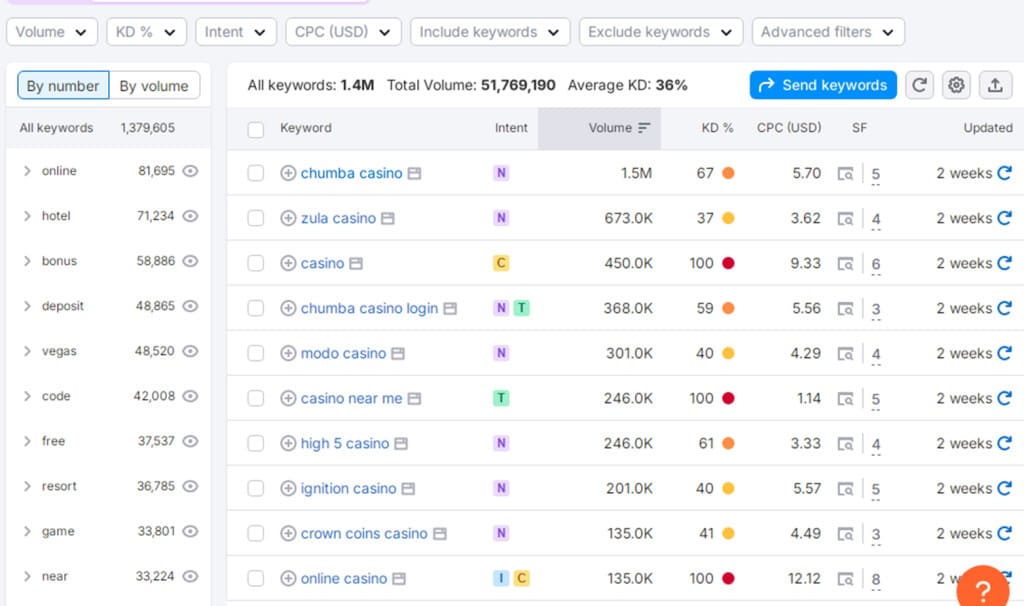
Use these keywords in landing pages, blog posts, and email marketing to increase discoverability. Monitor SERP variations to change your strategy dynamically.
Game guides and casino blogs
Create thorough gaming instructions and analytical blog posts to educate and engage gamers. Use on-page SEO, internal linking, and UX-focused formatting to increase dwell time. Integrate performance tracking to improve engagement metrics.
Streaming and podcast opportunities
Use live streams and podcasts to broadcast games, tips, and promotions in real time. Implement cross-platform distribution using optimized descriptions and transcripts. Track audience interactions to improve content and increase brand authority.
Paid Advertising
Paid casino advertising should prioritize ROI-driven channel allocation and CPI/CPA targets with strong geo and age restrictions. To control spending and ensure regulatory compliance, use server-side bidding and frequency capping. Integrate MMP attribution to link ad spending to player LTV and retention.
Search ads and in-app ads
Use search ads to capture high-intent queries and in-app ads to increase contextual engagement in gaming ecosystems.
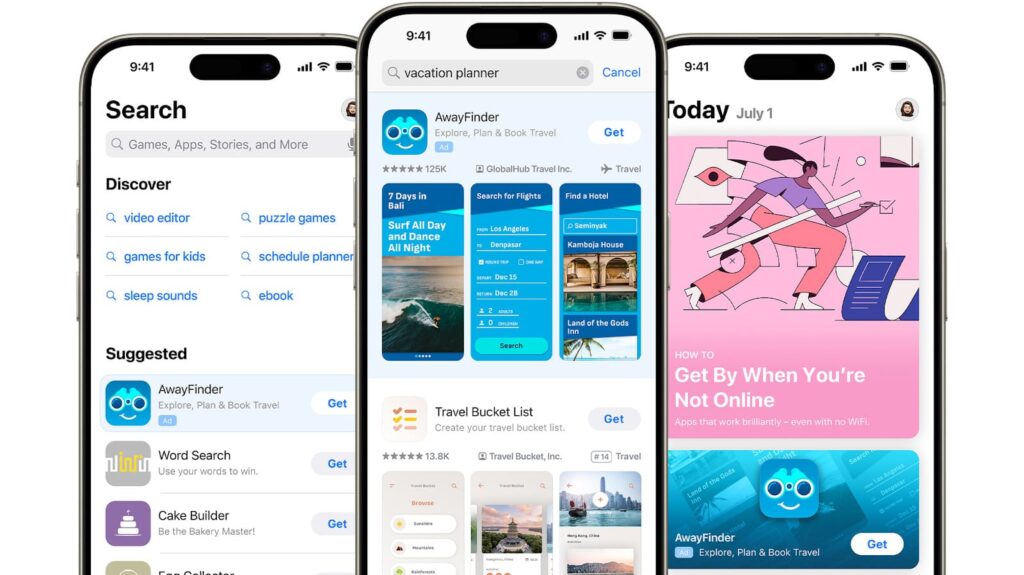
To provide proper cross-channel attribution, make keyword-level bid modifications, and integrate SKAdNetwork/MMP. Use deterministic signals for acquisition versus retargeting segmentation.
Creative testing and conversion optimization
Set up multivariate creative tests across assets and placements to identify messaging and asset performance for registration funnels. Use incremental lift and holdout groups to validate causal conversion uplifts. Optimize post-click routes, load speeds, and single-message CTAs to reduce friction and increase deposit conversion.
Contextual targeting
Utilize contextual targeting taxonomies to put adverts next to content categories that are compliant and relevant (sports betting, poker strategy). Replace forbidden behavioral profiling with semantic signals and page-level sentiment analysis. Use dynamic creative customization based on page taxonomy to boost relevance while avoiding personal data.
Affiliate Marketing Programs
Affiliate marketing programs enable casinos to outsource player acquisition to third-party partners. Partners drive traffic through recorded referral links. Payments are triggered by predetermined key performance indicators, such as deposits or registrations.
Casino review sites
Casino review websites compile and assess casinos, providing comparative information on bonuses, gaming options, and payout reliability. An online casino would use structured content and search engine methods to influence players’ decisions. Reviews frequently include affiliate links for profit.
High-converting commissions and tracking
Commission models are optimized using CPA, revenue share, and hybrid structures. Advanced tracking ensures accurate player attribution and fraud detection. Metrical dashboards provide real-time performance monitoring and payment modifications.
Social Media
Social media platforms are data-rich acquisition channels; use segmented sponsored and organic efforts to improve CPA and LTV. Use attribution models and event-level tracking to link on-platform signals to wallet-level spending. Continuously A/B test creatives and funnels to ensure retention.
Real-time engagement
Real-time engagement makes advantage of low-latency communications and event streams to boost session frequency and reduce churn.
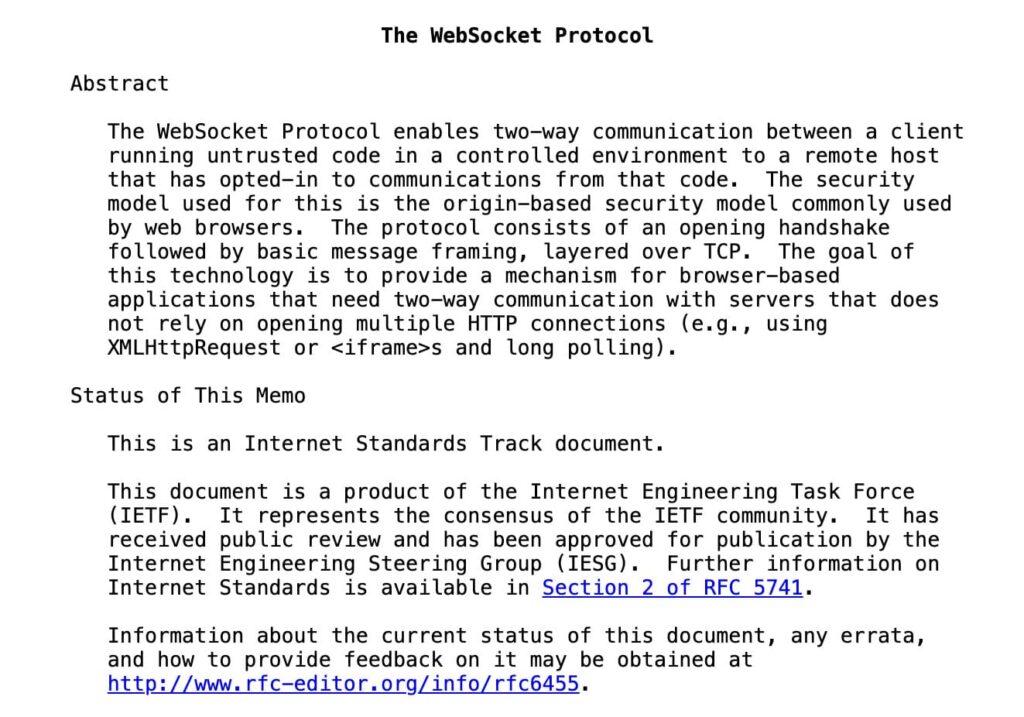
Set up WebSocket/Push infrastructures to send personalized offers, odds updates, and gamified triggers. To ensure a good user experience, keep an eye on latency and throughput service levels.
Player communities
Structured social graphs and controlled forums enable player communities to establish network effects and organic retention. Use identity mapping, role-based permissions, and behavior identification to detect fraud and identify high-value advocates. Encourage peer-to-peer acquisition via referral tokens and loyalty tiers.
Influencer Partnerships
Deploy high-reach content providers to increase business discoverability. Influencers generate targeted traffic through legitimate recommendations and engagement data. ROI is measured using conversions, clicks, and campaign-specific KPIs.

Streamers
Live-streaming personalities enable real-time audience interaction, which improves brand immersion. Their content enables behavioral tracking and conversion funnel analysis. Casinos may acquire exposure to high-intent users while optimizing interaction with platform performance.
Casino vloggers
Vloggers create on-demand, narrative-driven casino material that shows games, promotions, and experiences. Their videos offer long-tail findability and loyalty benefits. Performance measures include viewing time, audience retention, and referral traffic.
Engagement Boosters
Engagement boosters use behavioral cues to promote player activity and retention. Examples include tailored offers, interactive pop-ups, and achievement notifications. These tools improve session frequency and increase lifetime value.
Missions and milestone rewards
Structured missions direct players through specific actions, whereas milestone incentives encourage advancement. Rewards can be tiered, conditional, or dynamic depending on the player segmentation. This structure improves retention, encourages commercialization, and fosters habitual gameplay.
Seasonal events and tournaments
The seasonal activities and competitive tournaments encourage increased engagement and deposit activity. Event mechanics may include leaderboards, limited-time benefits, and themed content. Such activations generate urgency, promote involvement, and give measurable results.
Improving UX and Conversion Funnels
Map player journeys and use event-level analytical insights to measure drop-off and LTV impact. Reduce friction by conducting prioritized, hypothesis-driven A/B tests on microcopy, offer timing, and page delay. Use cohort segmentation and automated recovery triggers to retrieve abandoned accounts.
Layout optimization
Optimize the page grid, visual hierarchy, and affordances to draw attention to RTP, promos, and CTAs while minimizing cognitive overload. Implement responsive, low-latency rendering and WCAG-compliant accessibility to ensure session continuity across several devices. Validate modifications using heatmaps and conversion-weighted metrical analysis.
Easy ways to register and make deposits
Streamline deposit and wagering flows by removing unnecessary stages, permitting progressive disclosure, and pre-filling confirmed data where possible. To reduce latency, integrate rapid payment rails (cards, e-wallets, instant bank) with tokenized vaulting and one-click deposits. Monitor adaptive fraud signals and dynamic risk levels to strike a balance between conversion and compliance.
Common Casino Marketing Mistakes
Each digital marketing error made can result in lost revenue, unhappy players, or even regulatory penalties. Some errors are evident, such as failing to meet license standards, whilst others, such as poor or slow casino website performance or limited casino payment choices, may not be immediately noticeable but will undoubtedly reduce revenues over time.
Focusing only on acquisition, not retention
Prioritizing acquisition raises CAC while destabilizing LTV estimates; without cohort retention data, unit-economics models fail. Ignoring churn triggers and lifecycle messaging means losing predictable, high-margin reactivation revenue. Implement predictive churn models, automated retention pipelines, and value-based segmentation to keep return on investment.
Ignoring regulatory changes
Overlooking regulatory changes leads to geo-specific takedowns, fines, and license exposure from non-compliant creatives or targeting. The lack of real-time policy gating and immutable audit trails increases remedial costs and delivery downtime. Use rule-based ad gating, automated policy scanners, and extensive logging to ensure compliant delivery and rollback.
Neglecting customer feedback
Disregarding player feedback eliminates important signals for UX flaws and product-market fit, allowing friction to continue and cause churn. Without closed-loop feedback, metrical data do not result in prioritized changes or validated hypotheses. Integrate qualitative feedback, telemetry, NPS, and A/B-validated iterations to close the loop and speed up retention.

Frequently Asked Questions
What are the most effective channels for casinos?
When combined with geo- and device-specific targeting, performance-driven marketing channels such as programmatic display, paid search, and affiliate networks produce the highest returns. Social and content marketing boost brand equity but necessitate rigorous age restrictions and compliance monitoring.
How can casinos advertise without violating regulations?
Geofencing, dynamic content screening, and age verification ensure that promotions follow local gambling rules. Automated compliance audits and pre-approved creative templates help reduce regulatory risk and improve audit readiness.
How can email marketing help casino retention?
Segmented, behavior-triggered email marketing targets churn-risk and high-value cohorts to increase session frequency. Personalization based on game preference, deposit behavior, and VIP status maximizes reactivation efficiency.
Why isn’t my online casino appearing on the first page of Google?
Technical website gaps, sluggish website performance, and insufficient backlink authority are common causes of low exposure. Algorithmic penalties or missing structured data further lower SERP rankings, necessitating audit-driven optimization and link-building.
How do I reduce player acquisition costs?
Predictive scoring, lookalike models, and granular channel attribution can all be used to target high LTV populations. Optimize landing pages and creatives using A/B testing, and employ reactivation and referral programs to convert existing users before recruiting new ones.



Margaret Nest