Margaret is the Head of Marketing at Elit-Web and a marketing strategist with 5+ years of experience in B2B and B2C digital marketing
Black Friday and Cyber Monday represent the biggest revenue opportunity of the year for most retailers. Consumers expect deep discounts, exclusive access, and limited-time offers, while brands compete for attention across every channel. According to Shopify, merchants on the platform generated $14.6 billion globally over Black Friday and Cyber Monday 2026, a 27% increase from 2024 — proof that a well-executed Black Friday marketing strategy pays off. Success requires more than slashing prices: you need multichannel execution, early planning, segmentation, and creative ideas that cut through the noise. This guide covers proven strategies, 25+ promotion ideas, channel-specific tactics, real examples, and a timeline to maximize your BFCM marketing results.
What Is Black Friday Marketing?
Black Friday marketing is the strategic planning and execution of promotional campaigns around Black Friday — the Friday after Thanksgiving and often extending through the weekend to Cyber Monday. We call this period BFCM (Black Friday Cyber Monday). It encompasses email, social media, paid search, SMS, influencer partnerships, on-site optimization, and audience segmentation to drive maximum purchases during a highly competitive, discount-driven window. Some brands focus on a single day. The goal is the same: capture attention, convert browsers, and stand out when everyone else is competing for visibility.
Why Black Friday Marketing Matters in 2026
The stakes are higher than ever. According to Adobe Analytics data covering November 1 through December 31, 2026, consumers in the US spent more than $4 billion in a single day for 25 days during the holiday season, up from 18 days in 2024 — nearly a month of peak spending that shows the shopping window has expanded dramatically. Competition is intense, shopping starts earlier, and mobile commerce now dominates: smartphones drove 56.4% of online holiday shopping transactions in the US in 2026, up from 54.5% in 2024. If your approach doesn’t account for mobile-first, multichannel engagement and early-bird behavior, you’re leaving money on the table.
Black Friday Marketing Timeline: When to Start Planning
Begin 8–12 weeks before Black Friday. Here’s how the timeline breaks down:
Timeframe
Key Actions
8–12 weeks before
Define your promotions, set revenue goals, brief creative teams, build landing pages, and plan inventory.
6–8 weeks before
Segment your email list (VIPs, past purchasers, browsers), finalize ad creatives, reach out to influencers and affiliates, and set up retargeting pixels.
4 weeks before
Launch teaser content, create sign-up lists for exclusive access, post content on social media, and test email subject lines.
2 weeks before
Run countdown messaging, activate retargeting, brief support teams, and double-check checkout flows.
1 week before
Send final reminders, highlight top promotions, ensure inventory levels, and prepare for high traffic.
Black Friday weekend
Launch hourly specials, monitor performance in real time, adjust ad spend, and respond to inquiries quickly.
Post-BFCM
Send thank-you messages, retarget cart abandoners, onboard new buyers, and request reviews.
Messaging cadence: teaser → VIP access → launch day → midday reminder → last chance. This timeline ensures you’re not scrambling at the last minute and that every channel is aligned.
Core Black Friday Marketing Strategies
A successful Black Friday approach combines several foundational tactics that work together to maximize conversions and cut through the competitive noise.
Segment Your Audience for Personalized Offers
Not everyone should see the same promotion. Segment your list by purchase history, engagement level, and lifetime value. VIPs get exclusive access and deeper savings. First-time visitors see a welcome incentive. Cart abandoners receive a gentle nudge with free shipping. Email-only subscribers get a unique code. Personalization increases open rates, click-through rates, and purchases because the message feels relevant. Use your CRM or platform to build these segments weeks in advance.
Build Hype with Pre-Launch Teaser Campaigns
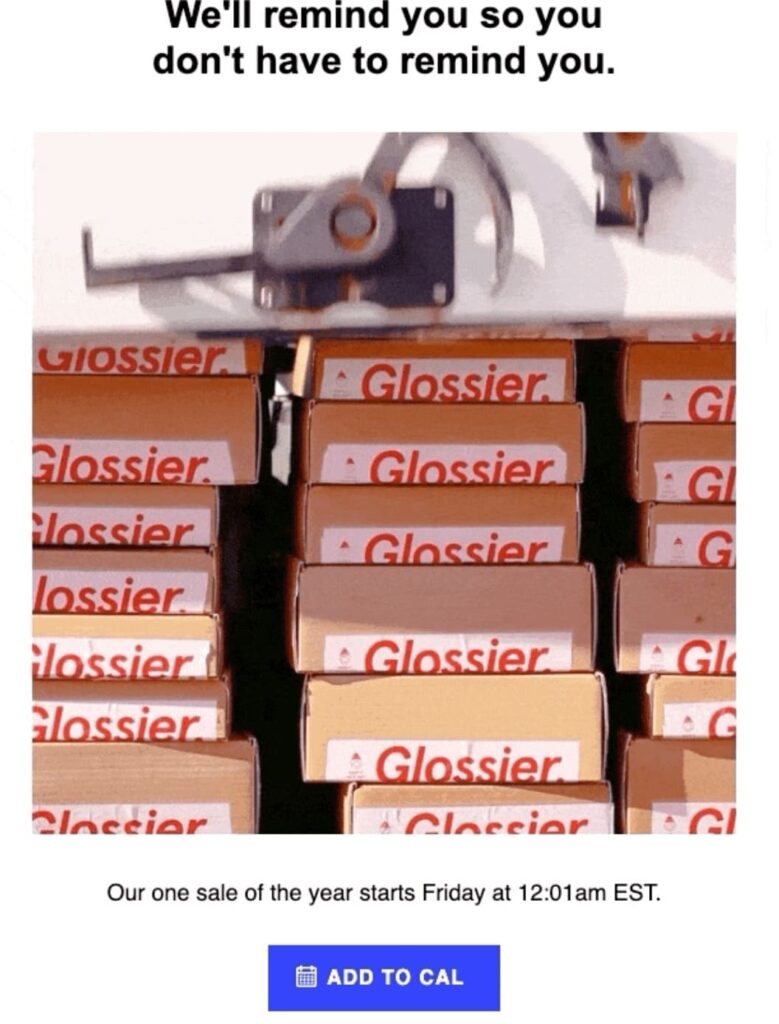
Start generating excitement 2–4 weeks out. Tease your biggest savings without revealing everything. Post sneak peeks on Instagram Stories, send a “save the date” message, and run a visual timer on your homepage. Provide sign-up lists with a hint of exclusive access. The goal is to keep your brand top of mind so when Black Friday arrives, your audience is primed to buy.
Offer Early-Bird and VIP Access
Reward your best buyers with access 12 or 24 hours before the public. Early access rewards loyal customers and may help distribute traffic across the launch period. You can gate this by loyalty tier, email subscribers, or social followers. Promote it as “Join our VIP list for first access.” It also gives you a test run to spot any technical issues before the full launch.
Many brands now run from Thanksgiving through Cyber Monday. Each day can feature different products, limited-time offers, or category-specific discounts. Small Business Saturday appeals to local and indie brands. Sunday can be a “last chance for free shipping” push. Cyber Monday traditionally focuses on electronics and online-only specials, but any category works. Extending the window captures those who missed Friday and keeps the momentum high.
Use Scarcity and Urgency Tactics
Countdown timers, stock indicators, and low-inventory messages can encourage shoppers to act sooner. Short, clearly defined promotions can encourage shoppers to make timely decisions. When a promotion expires at midnight, say so clearly. This tactic works because it makes the decision immediate. Just keep it honest: fake timers damage trust.
Reach shoppers through email, social media, paid search, and SMS. A single-channel approach won’t reach them all. Coordinate messaging across platforms so every touchpoint reinforces the same promotions and deadlines. Retarget website visitors with dynamic product ads on Facebook. Send SMS reminders before generous offers expire, with timing based on your campaign schedule. Post user-generated content on Instagram and link to your landing page.
Optimize for Mobile and Fast Checkout
Mobile drives the majority of traffic. According to Adobe Analytics, smartphones drove 56.4% of online holiday shopping transactions in the US in 2026 — making mobile optimization critical. If your site loads slowly, has tiny buttons, or requires account creation to check out, you’ll lose conversions. Optimize page speed, use large tap targets, enable one-click checkout options like Shop Pay or Apple Pay, and design messages for mobile screens first. Test the entire purchase flow on a phone. Every extra second of load time costs conversions, and every extra form field increases cart abandonment.
25+ Black Friday Promotion Ideas
Here are more than two dozen Black Friday campaign ideas to inspire your work. Mix and match these tactics to create a unique suite that differentiates your brand and drives conversions.
1. Percentage or Dollar-Off Discounts
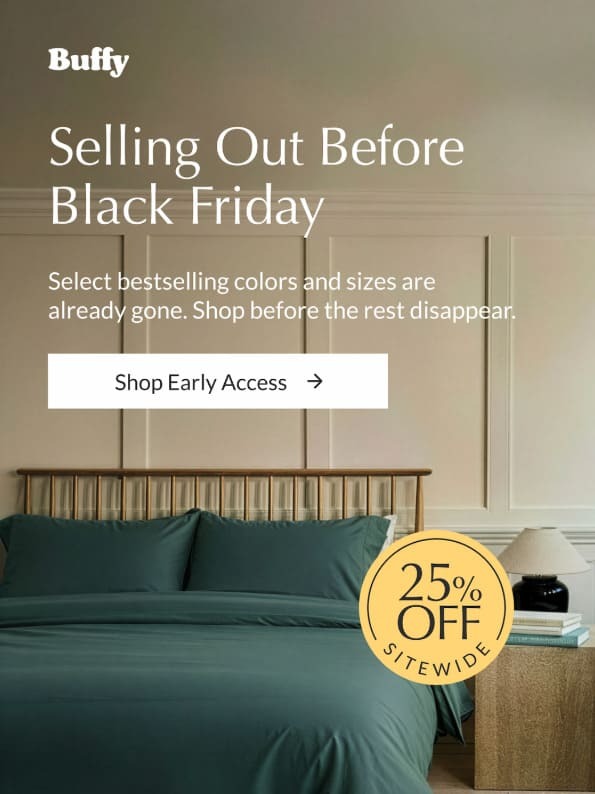
The classic: 25% off sitewide, $50 off orders over $200. Simple, clear, and easy to understand. Percentage savings work well for higher-priced items; dollar-off thresholds encourage larger carts. Highlight the savings in every message, ad, and banner.
2. Tiered Discounts (Spend More, Save More)
Reward bigger purchases: spend $100, save 20%; spend $200, save 30%. This increases average order value and gives an incentive to add one more item. Display the tiers prominently on product and cart pages.
Drop a new special every hour or feature a different product category each day. Limited-time windows bring people back multiple times. Announce the schedule in advance so they know when to check back. Scheduled flash sales can encourage repeat visits when shoppers want to catch specific offers.
4. Early-Bird Access for VIP Customers
Let your best buyers shop 12–24 hours before the general public. Gate access by loyalty points, list membership, or past purchase value. This makes VIPs feel special and gives you a smoother launch with lower traffic spikes.
5. Bundle Deals and Product Kits
Group complementary products at a bundled price: skincare routine, coffee starter kit, holiday gift set. Bundles increase cart size and help people discover new items. They also simplify gift shopping.
6. Buy One, Get One (BOGO) Offers
BOGO appeals to those who want to stock up or buy gifts. Variations include buy one, get one 50% off, buy two, get one free, or buy one, get a different item free. Highlight the total savings in dollars.
“Free shipping on orders over $50” is one of the most effective Black Friday sale ideas. It reduces cart abandonment and encourages people to hit the threshold. Make the free shipping bar visible on every page and in the cart.
8. Free Gift with Purchase
Add a free sample, accessory, or exclusive item to orders over a certain amount. This feels like a bonus value rather than a percentage off and can introduce people to new products. Highlight the gift heavily — it’s a strong conversion driver.
9. Mystery Discounts (Spin the Wheel, Scratch Cards)
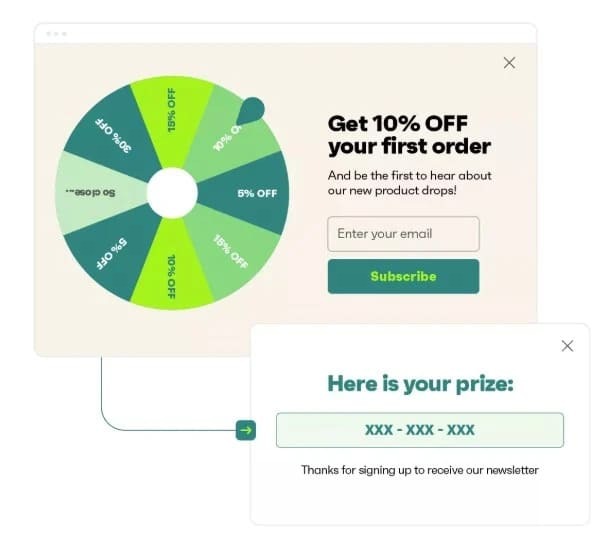
Gamify your event with a pop-up wheel or scratch card that reveals a code. People enter their email to play, you capture leads, and they receive a personalized savings amount. Keep the worst outcome still appealing at a minimum 10% off.
10. Gift Card Bonuses
“Buy a $100 gift card, get a $20 bonus card free.” This brings in revenue now and guarantees future visits. Position it as the perfect gift for hard-to-shop-for people, and make redemption easy.
11. Loyalty Points Multiplier
Double or triple loyalty points on Black Friday purchases. This rewards repeat buyers and incentivizes them to shop with you instead of a competitor. Communicate how many points they’ll earn and what they can redeem them for.
12. Referral Discounts
“Give $20, get $20” or “Refer a friend and you both save 15%.” Referral programs turn buyers into marketers. Automate the process with referral software and feature it in post-purchase messages and on social media.
13. Exclusive New Product Launches
Drop a limited-edition product or colorway only on Black Friday. Scarcity and novelty drive demand. Tease the launch in the weeks leading up to it, and make it clear the product won’t be available later.
14. Limited-Edition or Exclusive Bundles
Create sets available only during the shopping weekend. These can include bestsellers, slow-moving inventory, or preview items from next season. The exclusivity makes them feel special and time-sensitive.
15. Countdown Timers and Scarcity Messaging
Add visual timers to messages, product pages, and banners. Pair them with copy like “Ends in 6 hours” or “Only 12 left in stock.” Visual cues prompt faster decisions.
16. Email-Exclusive Discount Codes
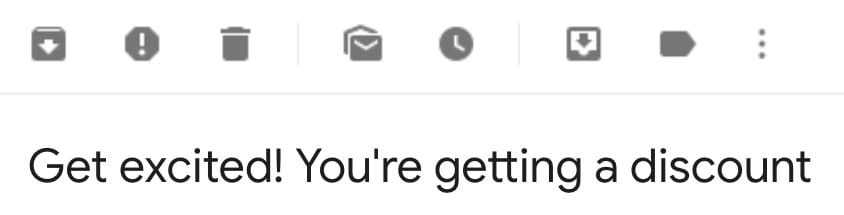
Send a unique code only to your subscribers. This rewards your most engaged audience and gives them a reason to stay subscribed. Use a subject line like “Your exclusive code inside.”
17. SMS-Only Flash Deals
Text subscribers get access to a secret special or an extra code. SMS open rates are higher than email, and time-sensitive promotions work especially well here. Keep messages short and include a direct link.
18. Social Media Giveaways and Contests
Run a giveaway on Instagram or TikTok: “Like, follow, and tag a friend to win a $500 shopping spree.” This grows your audience, increases engagement, and keeps your brand visible during the busiest week of the year.
19. Influencer and Affiliate Collaborations
Partner with content creators to showcase your Black Friday promotions. Give them unique codes or affiliate links. Seed products early so they can create unboxing videos and reviews timed to launch day. Compare creators by audience fit, engagement, conversion data, and campaign cost rather than follower count alone.
20. Augmented Reality (AR) Experiences
Let people virtually try on products or see furniture in their space using AR. Brands like Warby Parker and IKEA do this year-round, but highlighting it during Black Friday reduces returns and increases confidence in online purchases.
21. Live-Stream Shopping Events
Host a live shopping event on Instagram, TikTok, or YouTube. Showcase products, answer questions in real time, drop limited-time codes during the stream, and create a sense of community. Live video engagement is high, and it humanizes your brand.
22. User-Generated Content (UGC) Campaigns
Ask people to share photos or videos using your products with a branded hashtag. Feature the best submissions on your social channels and website. Provide a prize or code for participants. UGC builds trust and provides authentic content for your work.
23. Charitable Tie-Ins (Donate a Percentage)
“10% of Black Friday revenue goes to [charity].” Purpose-driven purchasers appreciate this, and it differentiates your brand from purely transactional competitors. Feature the partnership in your messaging and share the total donated afterward.
24. Abandoned Cart Recovery Offers
Set up automated messages for those who add items but don’t check out. Provide free shipping, a 10% savings, or a limited-time code to close the purchase. Time the first message for 1–2 hours after cart abandonment, then follow up 24 hours later.
25. Post-Purchase Upsells and Cross-Sells
After someone buys, show a one-time promotion on the thank-you page: “Add this matching item for 25% off, expires in 10 minutes.” Or send a follow-up message with complementary products. This increases average order value without requiring a new acquisition cost.
26. Gamified Shopping Challenges
Create a challenge where people earn rewards for completing tasks like sharing on social media, writing a review, or making repeat purchases during the weekend. This increases engagement and repeat visits.
27. Exclusive Membership Trials
Provide a free or heavily reduced trial of your subscription or membership program with any Black Friday purchase. This converts one-time buyers into recurring revenue and increases lifetime value.
These Black Friday sale ideas for small businesses and large brands alike give you dozens of ways to stand out and drive revenue. For even more Black Friday promotion ideas, combine multiple tactics to create a unique customer experience.
Discover Untapped Black Friday E-commerce Opportunities
Our checklist delivers essential infrastructure benchmarks and marketing tactics to help you handle traffic spikes, optimize checkout conversions, and scale holiday revenue without sacrificing margins. Get clear, actionable steps to drive growth and boost LTV.
A strong approach touches every channel where your audience spends time — email, social, paid ads, SMS, influencers, and your own site. Here’s how to execute on each one.
Email Marketing for Black Friday
Email remains the highest-ROI channel. Start with segmentation: VIPs, past purchasers, engaged subscribers, cart abandoners, and inactive users each need different messaging. Your cadence should include a teaser message two weeks out, VIP access announcement, launch-day message, midday reminder, evening follow-up, and a “last chance” message Sunday night or Monday morning. Subject lines matter: test urgency (“6 hours left”), curiosity (“Your secret code inside”), and value (“50% off ends tonight”). Use visual timers in the body, feature your top products with large images, and make the call-to-action button unmissable. Set up automated abandonment flows that trigger when someone leaves items behind, provide free shipping, or offer a small savings to close the purchase. Personalize with the recipient’s name, past purchases, and browsing behavior when possible.
Organic and paid social can work together to support your Black Friday campaign. Start posting teaser content two weeks before: behind-the-scenes prep, sneak peeks, graphics counting down the days. Use Instagram Stories and Reels, TikTok videos, and Facebook posts to build anticipation. On launch day, post your best promotions multiple times — morning, midday, and evening, since not everyone sees every post. Create shoppable posts with product tags, so followers can buy without leaving the app. Run user-generated content initiatives with a branded hashtag and repost customer photos. On the paid side, retarget website visitors and lookalike audiences based on past purchasers. Use dynamic product ads that show the exact items someone browsed. Allocate extra budget for the weekend and monitor performance hourly so you can shift spend to top performers.
Paid Advertising (Google, Facebook, Instagram)
Paid ads amplify your reach and capture high-intent browsers. On Google Ads, bid on branded keywords, category keywords (“women’s winter coats”), and competitor terms. Use extensions to highlight free shipping, savings, and return policies. Shopping ads with product images and prices perform especially well for e-commerce. On Facebook and Instagram, run carousel formats showcasing multiple products, video content demonstrating your bestsellers, and static image ads with bold callouts. Retarget website visitors who didn’t convert, and create lookalike audiences from your customer list. Set up conversion tracking so you can measure return on spend accurately. Increase bids and budgets on Black Friday itself, and pause underperforming ads quickly.
SMS Marketing
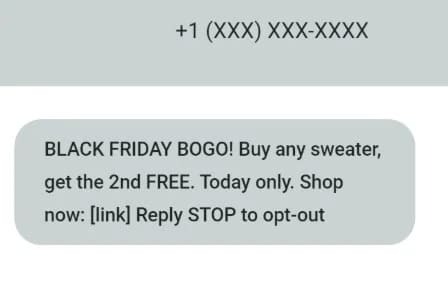
Text messages have open rates above 90% and are perfect for time-sensitive messages. Build your SMS list in advance with pop-up sign-up forms. Send 2–4 messages over the weekend: launch announcement, limited-time special alert, last-chance reminder. Keep messages under 160 characters, include a clear call to action, and link directly to the landing page. Example: “Limited special! 30% off hoodies for the next 2 hours. Shop now: [short link].” Make sure you have consent and an easy opt-out option.
Content creators extend your reach to engaged audiences. Start outreach 6–8 weeks before Black Friday. Seed products to creators so they can create authentic reviews, unboxing videos, and tutorials. Provide them with unique codes or affiliate links so you can track performance. Micro-creators with 10,000–100,000 followers often deliver better engagement and ROI than celebrities. Brief them on your key messages and promotions, but let them create content in their own voice. Schedule posts to go live on Black Friday or throughout the weekend, and repost their content to your own channels.
On-Site Optimization and Pop-Ups
Your website is where conversions happen. Add a prominent banner to your homepage announcing the event dates and top promotions. Use exit-intent pop-ups, providing a code when someone tries to leave. Display “limited stock” or “X people viewing this item” badges on product pages. Streamline checkout: enable guest checkout, autofill addresses, provide multiple payment options, including digital wallets. Optimize page speed — compress images, enable caching, and use a content delivery network. Test the entire flow on mobile devices. A slow or confusing site kills conversions, especially when traffic spikes on Black Friday.
Black Friday Marketing Campaign Examples and Case Studies
Learning from successful work helps you refine your own approach. Amazon runs “Countdown to Black Friday” with daily specials starting in early November, building anticipation and spreading traffic. Target’s door-buster strategy features extreme savings on a handful of high-demand items — limited quantities drive foot traffic and online visits early in the day. Walmart partnered with the “Mean Girls” cast for a nostalgic effort that went viral, blending humor, celebrity appeal, and product placement. Google highlighted Black Owned Friday, spotlighting Black-owned businesses on Google Search and Maps, aligning with social values and driving awareness. Jaded London provided stackable savings — students, loyalty members, and subscribers could combine codes, making people feel they got a personalized amount off. Me Undies is known for playful copy, bold visuals, and exclusive product drops during the weekend, turning a commodity product into a brand experience. The common thread: creativity, clear value, and multichannel execution.
Cyber Monday Marketing: Extending the Momentum
Cyber Monday began as the online-focused counterpart to in-store Black Friday, but the lines have blurred. Today it’s the final push of the shopping weekend. The marketing ideas include refreshing your promotions — launch new products, discount different categories, or increase the percentage off. Position it as “Cyber Monday: Last Chance” or “New specials drop now.” Historically, Cyber Monday leaned toward electronics and tech, so if that’s your category, go big. For other industries, emphasize convenience: “Shop from your couch” or “Free shipping extended through Monday.” Send a morning launch message, a midday reminder, and an evening “final hours” message. Retarget everyone who visited your site over the weekend but didn’t buy. Run a campaign that feels distinct but connected to your Black Friday theme. Extending through Monday captures late purchasers and maximizes revenue from your spend.
Black Friday Marketing Tips: Do’s and Don’ts
Do’s
Don’ts
Start planning 8–12 weeks in advance
Over-message without adding value — quality over quantity
Segment your list for personalized messaging
Ignore the post-purchase experience; it affects repeat purchases
Test subject lines, creatives, and landing pages before launch
Run the same creative all weekend — refresh to avoid fatigue
Optimize every page for mobile speed and usability
Forget to retarget website visitors who didn’t convert
Set up abandonment flows and retargeting pixels
Discount so deeply that you hurt margins or devalue your brand
Use timers honestly
Neglect existing loyal buyers in favor of acquiring new ones only
Brief and staff up support for high volume
Launch without testing checkout, payment processing, and site speed
Plan inventory to avoid stock-outs on hero products
Skip thank-you messages and onboarding after the event ends
Metrics and KPIs to Track During BFCM
Monitor these in real time to optimize performance and measure success:
Revenue and average order value (AOV): the primary goals
Conversion rate: percentage of visitors who buy
Email open rate and click-through rate: measure engagement
Return on ad spend (ROAS): revenue per dollar spent
Cart abandonment rate: how many leave before buying
Traffic by source: organic, paid, social, direct
Customer acquisition cost (CAC): cost to acquire a new buyer
Repeat purchase rate: percentage of past buyers who buy again
Social engagement: likes, shares, comments, UGC submissions
Track these hourly on Black Friday so you can shift budgets, send additional messages, or extend a limited-time special if needed.
Post–Black Friday Strategies: Turning Shoppers into Loyal Customers
The event doesn’t end when Cyber Monday does. Send thank-you messages within 24 hours — express genuine appreciation, confirm shipping details, and invite people to follow you on social media. Request reviews and user-generated content: “Share a photo with your new purchase for a chance to be featured.” Set up automated onboarding sequences for first-time buyers, introducing them to your brand story, other products, and loyalty program. Retarget cart abandoners one more time with free shipping. Segment purchasers from browsers: purchasers get cross-sell messages, browsers get a “still interested?” reminder. Plan for December holidays — Hanukkah, Christmas, New Year’s, and keep momentum going with gift guides and last-minute shipping deadlines. Black Friday is a revenue spike, but customer lifetime value comes from what you do next.
Black Friday Marketing for Small Businesses vs Enterprises
Small businesses and enterprises approach the shopping weekend differently. Small businesses should focus on their existing customer base and list — your loyal fans are your biggest asset. Use organic social media, micro-creator partnerships, and community engagement rather than competing on ad spend with giants. Lean into personalization: handwritten thank-you notes, limited local inventory drops, personal video messages from the founder. Consider providing free shipping over a deep percentage off to protect margins, or bundle slow-moving inventory with bestsellers. Highlight your story and values — purchasers increasingly support small and local brands. Enterprises have bigger budgets and can orchestrate sophisticated multichannel work with large-scale creator partnerships, national media buys, and exclusive product launches. They segment audiences by dozens of variables, run hundreds of ad variants, and deploy advanced personalization engines. Both need a clear approach, but small businesses win with authenticity and relationships, while enterprises win with scale and data.
Black Friday Marketing Budget and Resource Planning
Allocate your budget across paid ads, email and SMS platform costs, creator fees, creative production, and the margin you sacrifice on savings. Small businesses might spend $500–$5,000 on paid ads; mid-market companies $10,000–$50,000; enterprises $100,000 or more on multichannel work. Email and SMS tools have monthly fees — factor those in if you’re scaling your list. Creators charge per post or take affiliate commissions. Creative production includes graphic design, video editing, and copywriting. Staff up support and fulfillment teams to handle increased volume. Test your tech stack — platform, website host, payment processor under load before Black Friday so you’re not caught off guard by a crash. Set aside a contingency budget for last-minute opportunities or underperforming channels you need to replace. A realistic budget and resource plan prevent chaos and ensure you can execute smoothly.
Black Friday Marketing Checklist
Use this checklist to stay on track:
8–12 weeks out: Define promotions and savings, set revenue goals, brief creative team, build or update landing pages, audit inventory
6–8 weeks out: Segment lists, finalize creatives, reach out to creators and affiliates, set up retargeting pixels and conversion tracking
4 weeks out: Launch teaser content and social posts, create sign-up forms for access, schedule content calendar
2 weeks out: Run countdown messaging, activate retargeting, test checkout flow and mobile experience, brief support team
1 week out: Send final reminders, post top promotions on social media, confirm inventory levels, double-check payment processor, and site speed
Black Friday: Launch messaging across channels, monitor performance and adjust bids hourly, respond to inquiries quickly, push limited-time specials
Post-shopping weekend: Send thank-you messages, retarget cart abandoners, request reviews, onboard new buyers with a welcome series, analyze results, and document lessons for next year
Use this checklist and assign owners to every task. Execution beats planning when it’s game time.
FAQ
What are some effective marketing strategies for Black Friday?
Effective strategies include audience segmentation for personalized promotions, multichannel execution across email, social media, SMS, and paid ads, exclusive access for loyal buyers, visual timers and scarcity messaging, mobile optimization, creator partnerships, and post-purchase onboarding. The best approaches combine compelling savings with a seamless customer experience and authentic brand storytelling.
When should I start planning my Black Friday marketing campaign?
Begin 8–12 weeks before Black Friday. This gives you time to define promotions, segment your audience, create creatives, reach out to creators, build landing pages, and test your tech stack. Launch teaser content 2–4 weeks out to build anticipation, and execute your full campaign starting the week of Thanksgiving. Early planning prevents last-minute mistakes and maximizes results.
Should you extend your sales from Black Friday to Cyber Monday?
Yes. Most successful brands run from Black Friday through Cyber Monday or even the full weekend. This captures those who missed Friday, spreads server load, lets you test different promotions, and maximizes revenue from your spend. Each day can feature new specials, different product categories, or escalating percentages off. Extending to Cyber Monday is now the industry standard.
What are some creative Black Friday marketing ideas?
Creative Black Friday promotion ideas include mystery savings with spin-the-wheel pop-ups, live-stream shopping events, augmented reality try-on experiences, charitable tie-ins where a percentage goes to a cause, user-generated content contests with branded hashtags, tiered savings that reward bigger purchases, limited-edition product drops, and referral programs that reward people for sharing your event. Creativity cuts through the noise when every brand is competing on percentages off.
How much should I budget for Black Friday marketing?
Budget depends on your size and goals. Small businesses might allocate $500–$5,000 for paid ads, email tools, and basic creative. Mid-market companies often spend $10,000–$50,000 across ads, creators, SMS platforms, and production. Enterprises can invest $100,000 or more in multichannel work. Also, budget for the margin you sacrifice on savings, support staffing, and fulfillment capacity. Start with what you can afford, track return on spend closely, and reallocate to top performers.
What metrics should I track during Black Friday and Cyber Monday?
Track revenue, average order value, conversion rate, email open and click rates, return on ad spend, cart abandonment rate, traffic by source, acquisition cost, and repeat purchase rate. Monitor these in real time so you can shift budgets, send additional messages, or extend limited-time specials based on performance. Post-weekend, analyze which channels, promotions, and creatives delivered the best ROI to inform next year’s approach.
Ready to make this your biggest Black Friday yet?
Elit-Web provides a free Black Friday Marketing Plan tailored to your business. We’ll audit your current assets, recommend high-ROI tactics, and build a week-by-week timeline so you’re ready to launch. With 12+ years in digital marketing and a 13x average ROI, we know what works. Whether you’re a small business or a growing brand, we’ll help you cut through the noise and turn the shopping weekend into your most profitable period of the year.
Margaret is the Head of Marketing at Elit-Web and a marketing strategist with over five years of experience in B2B and B2C digital marketing. She specializes in SEO, AI search optimization, content strategy, paid advertising, and social media growth. Her background includes developing and executing full-funnel marketing strategies for service-based and eCommerce brands in highly competitive markets. Margaret's main interests lie in performance-focused SEO, content frameworks, and scalable marketing systems that help brands grow visibility and conversions across channels.
Unlock Business Growth with Our Performance-Driven Approach
Don’t pay for marketing process. Pay for performance. Your investment is aligned with measurable performance and real business impact, not just completed tasks.
Ready to scale your brand with performance-driven marketing? Let Elit-Web turn your digital presence into a revenue engine! Get in touch with us today.
We optimize the site, create a personalized marketing experience and collect site usage data and analytics. By clicking "Accept", you agree to our use of cookies.