B2B SaaS Marketing
SaaS is synonymous with creative and groundbreaking products. However, the urge to innovate is only one of several problems that organizations confront. In this extremely competitive and saturated industry, B2B SaaS companies must consistently meet their KPIs, move customers down the funnel, and differentiate themselves from their competitors.

60% of B2B SaaS organizations said their main marketing challenge is a lack of time and resources. Depending on your stage and business model, you will require different tools and techniques to expand your firm without breaking the bank on marketing.
What Is B2B SaaS Marketing?
B2B SaaS marketing is a variation of marketing that promotes cloud-based products to other enterprises. It emphasizes long sales cycles, targeting decision-makers, and communicating the benefits of B2B software features for addressing business-specific difficulties.
Effective marketing necessitates an understanding of the target audience, their desires, the challenges they face in their daily lives, and how a SaaS product is the greatest fit for their requirements and goals. Your marketing strategy’s effectiveness is measured in terms of revenue. However, revenue is the consequence of all of the B2B marketing efforts.
Why B2B SaaS Marketing Requires a Strategic Approach
This method necessitates a strategic approach because the conversion touchpoint is not located at the end of the funnel. A first purchase occurs in the middle of the SaaS funnel, whereas retention and expansion form its foundation. As a consequence, its effectiveness is mostly determined by post-conversion performance rather than initial acquisition.
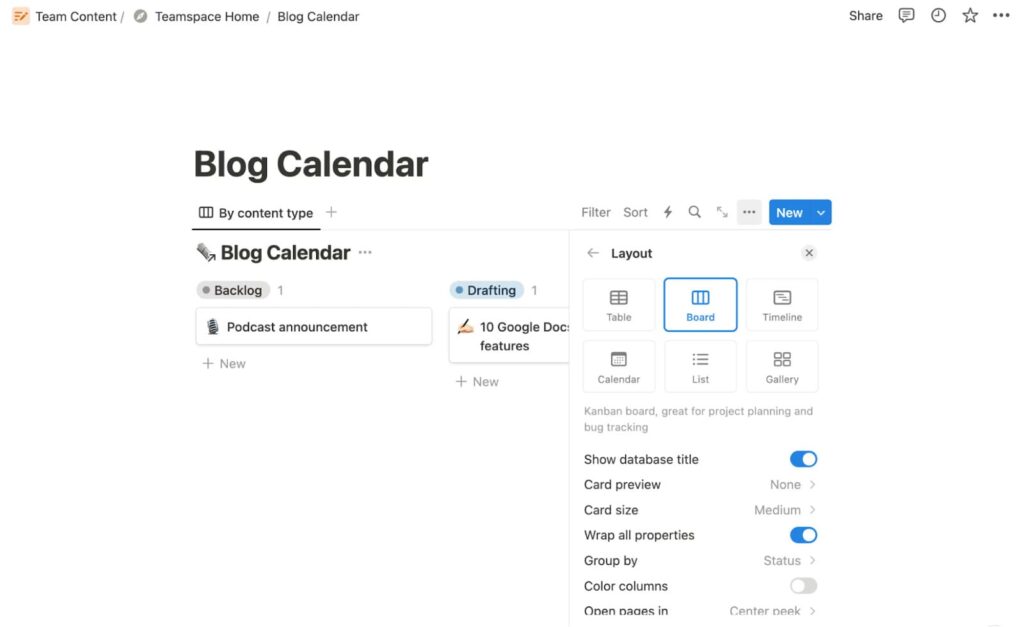
Companies like Notion must focus on scale. They may raise a large sum of money to spend on advertising, SEO, social media, influencer marketing, and any other B2B SaaS marketing strategies that allow them to cast as wide a net as possible. These types of businesses may form teams that function more like media teams, assisting them in attracting attention through content.
Long Sales Cycles and Multiple Decision-Makers
B2B SaaS sales cycles are lengthy and nonlinear, with buyers looping between processes rather than progressing smoothly. According to Gartner research, buyers spend approximately 17% of their time with suppliers and the remainder on independent research, indicating that the majority of the buying process occurs outside of direct vendor influence.
Subscription-Based Revenue and Retention Focus
Many marketers rely on a single point of sale, when in practice, subscription models generate revenue over time. Adoption and churn now directly affect revenue performance and customer lifetime value. Simultaneously, subscription fatigue and unclear value together stifle customer loyalty. To maintain consistent revenue streams, marketers must prioritize retention, renewal, and value delivery methods over acquisition-only metrics.
Competitive, Crowded SaaS Markets
A crowded SaaS categories increase acquisition costs and reduces profits, necessitating strategic differentiation. Omnichannel buyer expectations, as well as vendor proliferation, demonstrate that SaaS market customers demand seamless experiences. To sustain ROI, brands must invest in SaaS product experience, positioning, and lifecycle marketing, rather than relying on one-time campaigns or feature parity.
Educated, Self-Directed Buyers
B2B buyers conduct independent research and engage sales later, limiting vendor control over early influence. Forbes tracks the growth of digital, rep-free discovery. According to their sources, the majority of the journey takes place through digital media. SaaS marketers must produce decision-ready information, map multi-channel intent signals, and provide onboarding that converts knowledgeable evaluators into active, loyal customers.
Core Principles of Successful B2B SaaS Marketing
Before you start scheduling and rescheduling your marketing strategy and putting it into action, you should understand a few things about the SaaS business and relevant offers. What you should truly focus on are (a) your business model, (b) your buyer profiles, and (c) the B2B marketing channels that make the most sense given the A and B categories.
Without a clear ICP, marketing is like shooting an arrow blindfolded. What is the best case? You hit the correct customer without realizing it. Worst-case scenario? You squander time and resources on the wrong audience, chasing leads who never convert. Marketers collect data about their ideals and structure it into fictitious characters representing segments.
Clear Positioning and Differentiation
Effective positioning has a great impact on the internal decision-making process and the distribution of resources. If the teams are aware of the unique value of the product and its place in the market, then the areas of marketing, sales, and SaaS product development are involved. That has a positive effect on brand trust, it makes it easier for buyers to compare, and it opens up the possibility for the price to reflect the value instead of competing on price only.
Deep Understanding of the Target Audience
Audience insights are influential in deciding the content or SEO strategy, funnel design, and customer success actions. So, by analyzing behavior patterns, making use of statistics, and monitoring engagement signals, marketers can predict friction points and tailor messages at each stage of the customer journey. This deep understanding not only cuts down on the cost of advertising that does not work but also gives rise to interactions that are aimed at specific users and that, in turn, increase their conversion, product acceptance, and loyalty over time.
Value-Driven Messaging Over Feature Selling
The communication based on value creates a possibility of selling and establishes durable relationships. Rather than drowning consumers with product features, marketing demonstrates benefits and calculates ROI for the company. This method accelerates the process, increases the legitimacy of the company in the eyes of the customers, and lets the customers get in touch with the premium plans or extra products readily.
Full-Funnel and Lifecycle Thinking
Customer journey consists of several interactions across the awareness, consideration, and decision-making stages. The aim is to build retention and loyalty, both of which are very important for the conversion rate. A 5% decrease in churn rate can lead to a more profitable market.
One major strategy cannot be missed — customer lifecycle marketing. A lifecycle marketing plan allows you to deliver the appropriate marketing messages to your desired audience at the most opportune moment. Once you gain a client, you make an effort to retain them.
Alignment Between Product, Sales, and Marketing
The collaboration of different functions in the organization is the main factor determining the B2B marketing effectiveness. Over product messaging, priority of features, and customer interaction tactics, the product, sales, and each marketing team must collaborate closely. Uniform experiences, elimination of friction in handoffs, and higher chances for leads to become active, retained customers are the outcomes of aligned teams. Mistrust between teams can create missed opportunities, customer losses, or improper value communication.
Data-Driven Decision Making and Feedback Loops
Marketers are empowered to measure the effectiveness of their marketing campaign, fine-tune touchpoints, and identify customer journey bottlenecks through the use of data-driven methods. The feedback loops turn concepts into deeds. Activation rate, churn, NPS, and CLV, which are metrics, steer the data-driven decisions, ensuring that the efforts focus on the high-impact activities and that unnecessary spending is avoided.
Building a B2B SaaS Marketing Strategy
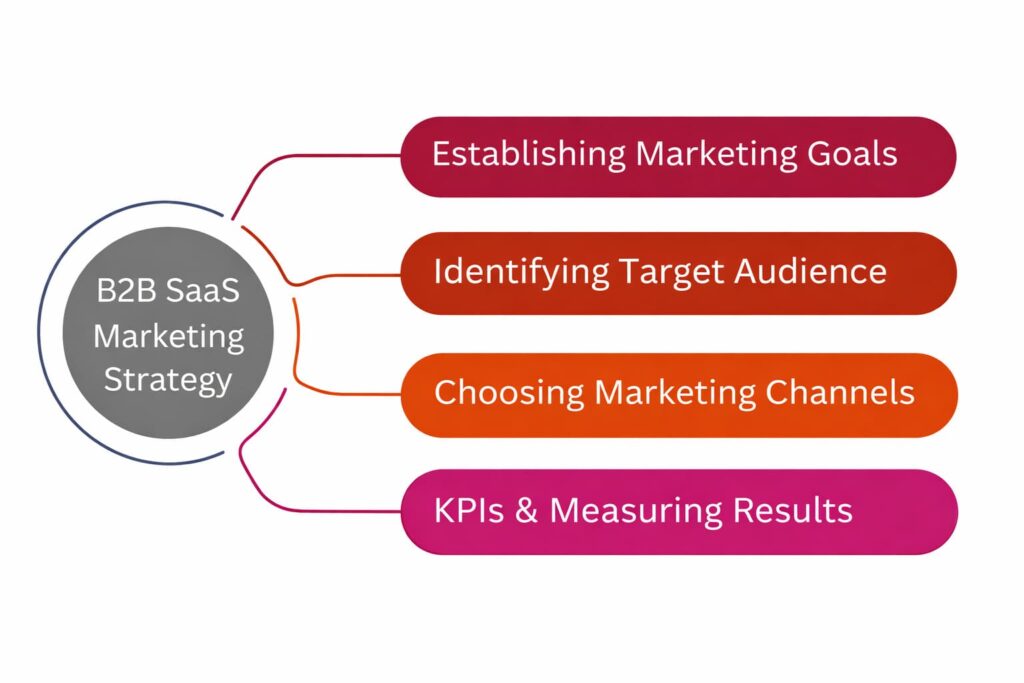
When is the right time to tell if your SaaS content marketing strategy has worked? At the very beginning, it is necessary to set team goals or objectives. Once you have set your goals, you can start monitoring the SaaS market and customer data. This will not only notify you of any campaign problems but will also assist in identifying the growth areas.

Evaluate the quality of your leads. Do you think you are targeting the perfect customer? You might think so, but the leads’ quality will give a different story. Leads that are not qualified will consume the time of your marketing team and stop your SDRs from achieving their sales targets.
Defining Business Goals and Success Metrics
Setting clear goals connects revenue results to digital marketing strategies. Choose KPIs for acquisition, activation, retention, expansion, and churn. CAC, CLV, NRR, and conversion rate are the indicators that measure performance and provide a standard for improvement, thereby making it possible to fine-tune through campaigns and lifecycle activities.
Understanding the Business Model
A strategy requires a deep knowledge of subscription dynamics, pricing tiers, and revenue recognition. B2B marketing needs to customize acquisition strategies according to product-led, freemium, or enterprise models, thereby ensuring alignment with monetization, expansion paths, and churn risk. This groundwork determines the direction, content, and investments in channels.
Budgeting and Channel Prioritization
Divide resources between paid, organic, and product-led channels based on ROI potential and funnel stage impact. Prioritize channels that increase reach to qualified prospects, speed up trial activation, and aid retention. Incorporate testing frameworks and attribution models to continuously improve expenditure allocation based on customer acquisition efficiency and lifetime value.
Mapping the SaaS Buyer Journey
Track every touchpoint, from awareness to retention and expansion. Determine the decision-makers, evaluation criteria, and interaction patterns. Integrate multi-channel interactions with product usage data to identify friction, enhance onboarding, and adjust information to each stage. This lifecycle view allows for predictive modeling, targeted communications, and revenue-driven growth plans.
Proven Marketing Channels and Tactics
B2B SaaS growth is dependent on high-ROI channels and approaches that correspond with the buyer path. Content marketing, SEO, and thought leadership increase top-of-funnel awareness, while paid search, LinkedIn advertising, and retargeting speed up acquisition.
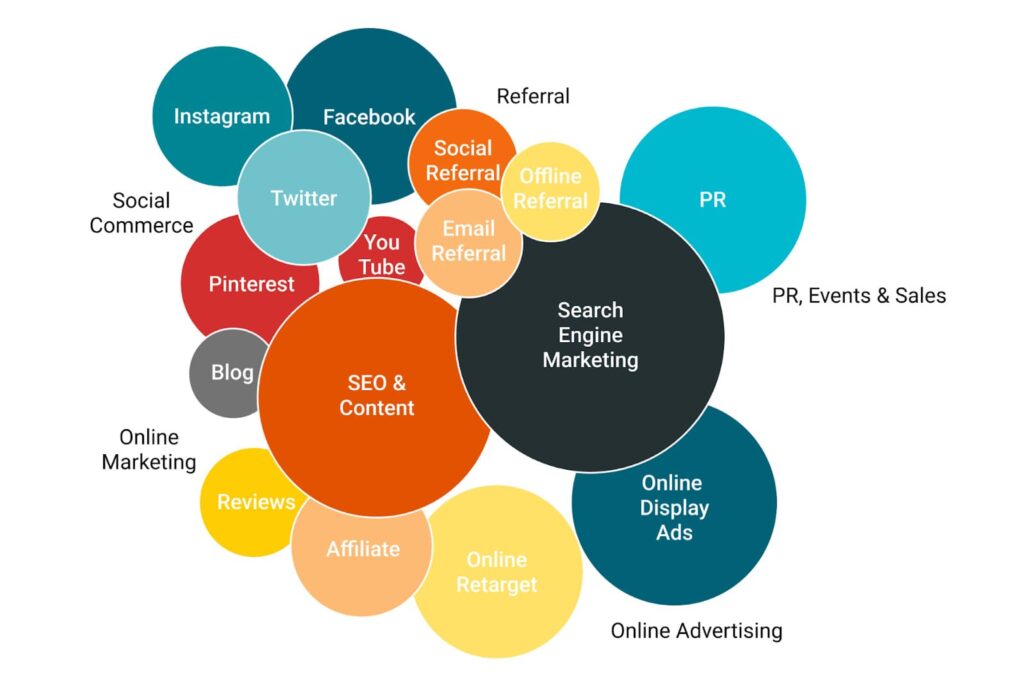
Cross-channel analytics and iterative testing improve efficiency, increase conversions, and scale predictable income throughout the customer acquisition, activation, and expansion stages.
Content Marketing
When one talks about content marketing, they refer to a broad category of content, including videos, blog posts, podcasts, webinars, and more. The goal of content marketing and SEO (as an integral part of content) for companies selling cloud-based solutions is to raise brand awareness, establish the brand as a reliable source of information for a specific industry and potential customers, and aid in customer acquisition over time.
Blog content
Focusing on this channel will be the primary organic traffic growth driver for non-branded search traffic. The important aspect here is your content and user lifetime plan. Furthermore, a good blog writer should comprehend keyword research, internal linking, and metadata optimization.
Educational resources
Content with informational intent is intended to guide users from awareness to informed evaluation. These include manuals, whitepapers, webinars, and reports that assist consumers in understanding their problem space, available solutions, and decision criteria. Their strategic value comes from establishing trust, authority, and obtaining first-party data via gated or semi-gated formats.
Problem-aware content
All advice disseminated or reflection on a specific problem will be aimed at consumers who perceive a challenge but have not yet committed to a specific solution. This information clearly defines the problem, quantifies its impact, and presents solution categories without aggressively advertising the SaaS product. Its goal is to influence how people describe the problem and present the product as the next logical step in their evaluation process.
Product-led content
This constitutes engaging and converting users by showing value via realistic use cases. Product-led content comprises tutorials, use-case pages, and in-product education, all of which help to reduce time to value. Instead of persuading through multiple assertions, product-led content allows the product to drive acceptance, activation, and growth.
SEO for B2B SaaS
Organic search is an excellent B2B marketing technique for entrepreneurs. Why? Because it is somewhat profitable. Nothing works better for increasing organic visitors than improving the search engine ranking.
Consider hiring an SEO consultant such as Elit-Web to target relevant keywords with high search volumes. They will ensure that a website ranks high, resulting in increased traffic from key search words (qualified lead acquisition is expected).
Keyword-driven content strategy
One’s SEO strategy should focus on specific search queries that your audience uses at each stage of the customer journey. By mapping high-intent and long-tail keywords to content formats, marketers can increase organic traffic, improve SERP visibility, and help prospects navigate the awareness, evaluation, and decision stages. Keyword research, competition analysis, and metadata optimization ensure relevancy and ranking potential.
Use-case pages
It would be great to show users how the solution addresses real-world business difficulties in various industries or roles. These pages are optimized for certain keywords and generate quality organic visitors by matching search intent with actionable solutions. They improve SEO by combining content depth, structured data, and internal links to related product features, resulting in increased relevance and user engagement.
Landing pages for organic acquisition
SEO-focused landing pages attract high-intent visitors and turn them into leads or trial users. They include on-page SEO features (titles, headings, meta descriptions, schema), clear call-to-actions, and a persuasive message that is relevant to search intent. Properly constructed, these sites improve exposure for targeted queries, boost dwell time, and provide conversion-focused metrics into the marketing funnel.
Website Messaging and Positioning
Both concepts are critical because they determine how your SaaS brand conveys value, relevance, and distinctiveness online.
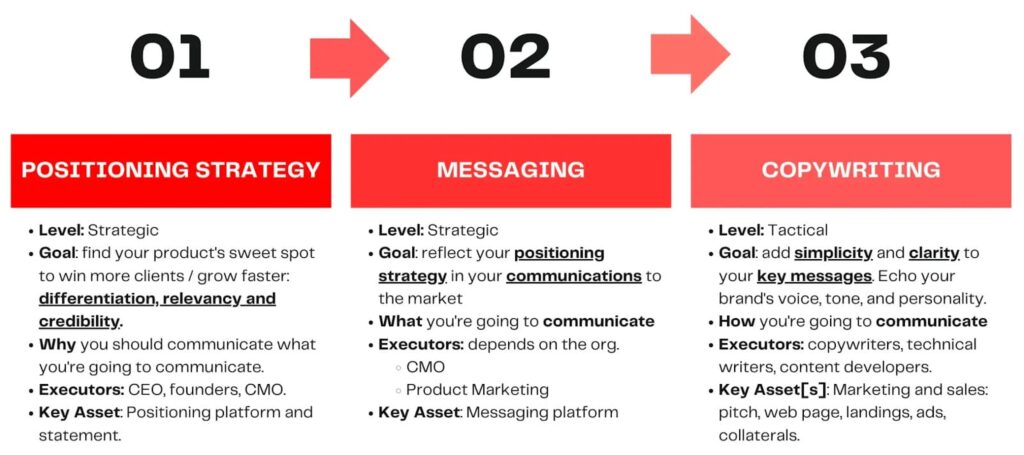
It ensures that every page, from the homepage to product and use-case content, speaks to the appropriate audience, is consistent with buyer intent, and helps visitors through the awareness, evaluation, and conversion stages.
Homepage value proposition
The homepage value proposition clearly explains the product’s purpose, the problem it solves, and the major benefit to the target audience. It must immediately communicate value, distinguish the solution, and direct visitors to deeper interaction or conversion.
Role-based messaging
This means tailoring content to certain members of a buying committee. When marketers target specific priorities (such as IT security issues, financial ROI, or operational efficiency), they boost relevance, engagement, and likelihood of continuing through the marketing funnel.
Positioning for different buyer stages
Branding and market position fluctuate during the buyer’s journey. Awareness-stage content informs, consideration-stage material showcases capabilities, and decision-stage content focuses on distinction and proof points. Stage-specific messaging increases evaluation while increasing conversion and retention.
UX and Conversion Optimization
In a word, UX and conversion optimization aim to create seamless, intuitive experiences that direct users to desired activities. Businesses can boost engagement, trial activation, and paid conversions throughout the B2B SaaS marketing funnel by reducing friction, increasing usability, and employing data-driven testing.
User experience fundamentals
UX fundamentals center on creating intuitive, accessible, and responsive interfaces that guide people organically through a product or website. Good UX lowers friction, boosts engagement, and builds the groundwork for increased conversions and retention.
Onboarding flows
The process effectively introduces new users to the product by highlighting essential features and workflows. Effective flows promote activation, reduce drop-offs, and raise the possibility of trial-to-paid conversion by demonstrating value early on.
Conversion rate optimization
CRO is a systematic approach to improving the efficacy of websites, landing pages, and funnels. CRO maximizes lead capture, trial activations, and paid conversion rate by leveraging A/B testing, analytics, and behavioral insights, resulting in higher marketing ROI.
Email Marketing
For B2B SaaS, paying attention to email marketing initiatives increases engagement, leads, and customer retention.
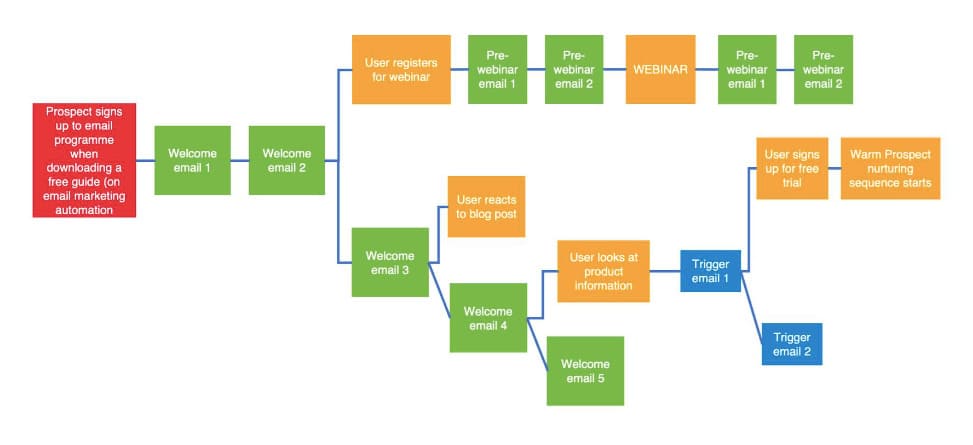
Sending personalized sequences, data-led content, and product notifications helps to guide prospects through the marketing funnel. It also keeps on showing the value, and strengthening relationships at the same time, maximizing the possibility of both conversion and upselling.
Lead nurturing sequences
Automated lead nurturing is a methodology that ensures prospects remain informed all along their buyer journey by providing relevant information at the proper times. The specific pain points are addressed, value is reinforced, and clear next steps are given one by one, which leads to more engagement, trust, and eventually the activation and conversion of the lead.
Educational email campaigns
An educational marketing campaign is a source for the prospects that provides them with practical information, industry trends, and best practices, which the prospects can use in the process of recognizing possible solutions. The activities not only position the company as a thought leader but also build trust and make the product an option in future evaluations.
Product updates and announcements
Targeted email marketing for a particular product is done to keep the customers informed about the new features, improvements, or goals of the company, which in turn leads to adoption and retention. Periodic communications make the value of the product more visible, raise the users’ interaction with the new features, and support the selling of a higher-priced product or the selling of an additional product while keeping the customer happy and loyal.
Lifecycle Marketing
From here, you’re taking care of communication during the whole customer journey, starting from onboarding and activation to retention and expansion. Lifecycle marketing requires the use of behavioral data, segmentation, and automated flows.
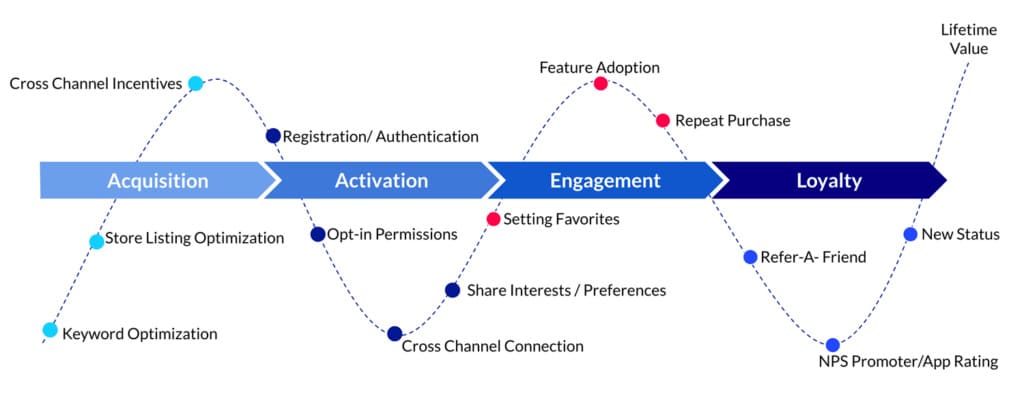
Engagement is significantly improved, churn is reduced, and upsells are facilitated, thus every touchpoint is guaranteed to support the long-term value and revenue growth.
User onboarding emails
Onboarding emails facilitate the activation of your product to new users by assisting them with setup, key workflows, and the use of features. Streamlined sequences reduce the number of people who stop using the product, measure engagement at different points, and ensure that customers get value right away, which leads to a better conversion rate from trial to paid.
Retention campaigns
The strategy is to find third-party advertisers through affiliation, which would keep customers engaged for a long time and reduce the number of customers who stop buying. Customers are encouraged to repeat their purchases, and, as a result, the customer value is increased through personalization of content, data analysis, segmentation of customers, and so forth.
Expansion and upsell flows
The two channels identify high-value customers and deliver contextually appropriate offers for premium tiers, additions, and cross-sells. Through the application of behavioral triggers and predictive analytics, these initiatives not only raise ARPU and net revenue retention but also ensure that the product features chase pace with the shifting consumer perceptions.
Paid Search Acquisition
The targeted approach to this channel leads to high-quality B2B visitors through ads on the search engines that are very specific. If SaaS marketers apply high-intent, branded, and competition keywords in their bidding and budgeting, they will be able to shorten the process of attracting leads and boost sales. At the same time, be very economical in their spending.
High-intent keyword targeting
When you focus on high-intent keywords, your ads will certainly be viewed by those users who are already looking for the solutions that you provide. Ads targeting these kinds of queries lead to an increased qualified visits and higher conversion performance. In one of the projects we did with Stobox, the improvement in keyword targeting led to an increase of 11% in monthly conversions.
Branded and competitor campaigns
The branded and competitive campaigns are aimed at individuals who have knowledge of your brand or are thinking about switching brands. With the help of brand mention, the advertisers can protect their market share, catch the consumers who are most likely to buy, and stabilize their brand image, which eventually leads to Stobox’s 26% drop in cost per conversion.
Budget efficiency control
Monitoring and optimization of the spend allocation maximizes the ROI. The segmentation of the campaigns, the reallocation of the expenditures that are not performing well, and the automated bidding are all methods that contribute to efficiency. These changes reduced total advertising costs for the client by 18% while keeping the lead generation and conversion rate high.
Paid Social Advertising
Paid social advertising increases brand recognition, engagement, and conversions on platforms such as LinkedIn, Facebook, and X.

Businesses must undertake campaigns for brand exposure, prospect retargeting, and audience segmentation based on intent to create qualified leads and expedite the B2B SaaS customer experience.
Awareness-stage campaigns
Initial campaigns reach new audiences by introducing the brand and product through sponsored social media. They increase recognition, draw in early-stage prospects, and produce top-of-funnel interaction since they are optimized for reach and impressions.
Retargeting strategies
Reconnecting with people who have previously interacted with your website or content is known as retargeting. Personalized advertising based on behavior is the key factor in these B2B SaaS marketing strategies that increase the likelihood of conversion, cultivate leads, and minimize dropouts in the sales funnel.
Funnel-based audience segmentation
The purpose and conversion readiness are ensured because they connect the audiences with the status of the marketing funnel. Paid social programs improve ROI and lead quality by using behavioral, demographic, and interaction data to provide targeted, relevant ads at every stage.
Social Media Marketing
The brand becomes a reputable and authoritative participant in the B2B SaaS ecosystem when it consistently produces high-quality content for social media. Consulting and debating among the parties involved retain more followers, increase content distribution and sharing, and have an effective influence on complicated buying choices that can be measured.
Thought leadership content
You are adept at giving the industry insights, expert evaluations, and new perspectives, which makes your brand a trustworthy image. Influential writings have the power to pull in the highest decision-makers in the target accounts, fostering trust and increasing the overall interaction.
Educational posts
Postings are providing hands-on guidance, suggestions, and best practices that are relevant to the specific audience. Besides, they facilitate the customers to go through the buyer journey, increase the understanding of your products, and support the nurturing of leads.
Brand authority building
The constant, high-quality content across different social media platforms strengthens brand credibility and trust. The build-up of authority in a competitive B2B SaaS market leads to greater influence over buyer decisions, increased shareability, and more solid audience loyalty.
Reviews and Ratings
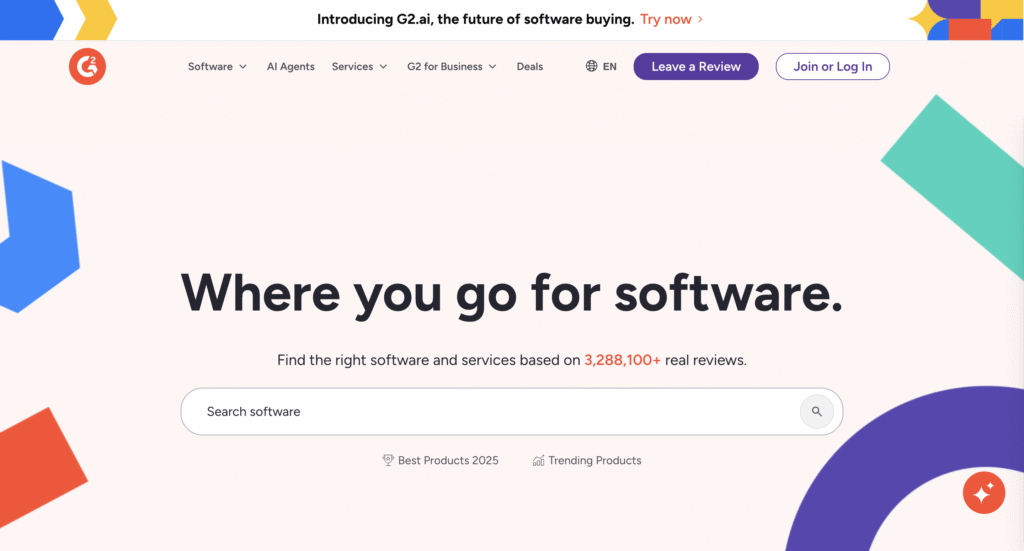
User assessments serve as the most important social proof that influences the decisions and trust of buyers. If you measure the worth of the product, using the SaaS review sites, controlling the reputation positively, and applying the organized methods of acquisition, the company is able to get credibility, become more visible, and the conversion will be faster.
SaaS review platforms
Customer reviews are collected and displayed on platforms such as G2, Capterra, and TrustRadius. In a very competitive SaaS market with its demand for data privacy, positive evaluations boost visibility, legitimacy, and buyer evaluation by offering social proof.
Reputation management
Brand perception is safeguarded, and negative emotion is lessened by keeping an eye on and reacting to reviews. Spreading goodwill, subtly reinforcing brand understanding, and a means to help communicate information depend on a new-media reputation manager.
Review acquisition strategy
The method of systematic review acquisition not only relies on but also promotes good customer feedback through focused emails, in-app notifications, or bonuses. The frequent reviews act like a magnet for social proof, improve ranking on the platform, and make the decision process of potential customers faster.
Case Studies
Through conducting case studies, the genuine client acquisitions are shown, and the difficult business problems are solved with your SaaS product. Executives, showcasing KPIs, testimonials, and narrative, validate value, build trust, and influence decision-making throughout the sector-specific contexts.
Customer stories
Each interaction with your product is given prominence in customer narratives that are illustrated by the presentation of quantitative results and ROI. They create compelling examples that attract the attention of potential customers and show how the solution relieves certain business concerns.
Industry-specific use cases
Use cases that are adapted to a specific sector showcase the integration patterns and success measures specific to that sector by aligning the product features with the industry practices and legal limitations. These pages speed time-to-value evaluations, increase organic relevance, and help prospects visualize adoption possibilities.
Trust-building proof points
Case studies, which include data, measurements, and testimonies, function as validated proof points. By showcasing quantifiable success and verified outcomes, they boost trust, lower perceived risk, and speed up decision-making.
Affiliate Marketing
You can create peer-to-peer promotion by creating incentive structures, more precisely, an affiliate or referral program, that complements organic word-of-mouth. If you choose to collaborate with influencers in the future, this will undoubtedly be beneficial. Differentiate yourself from other business-to-business product owners by providing micro-influencers with a sponsorship or affiliate contract if you already have an affiliate program in place.
Micro-Influencers
Manually reaching out to media sites is a terrific approach to advertise your SaaS where competitors aren’t, as ad costs on Google PPC, Facebook, and Instagram make CAC far too costly for several businesses. Sponsoring micro-influencers in your niche is an additional tactic. The first one might not be much of a benefit to pursuing lesser influencers if the author is aware of their value. Reviews from influencers are more acceptable to smaller audiences.
Manual Outreach
Manual outreach through email and LinkedIn is definitely the best course of action to begin with. People attempting to market to the people you reach out to are bombarding them with emails. Being unique, providing value, and not asking for much would make one stand out. For instance, you can email a prospective client to point out a clear issue they are facing and provide instructions on how to resolve it on their own. You then recommend a consultation.
Referral Programs
Although affiliate (referral) programs are typically classified as paid acquisition, they are the most predictable type of paid advertising because you can choose the CAC. The commission structure you choose for an affiliate program is known as your CAC. For as long as a customer is a paying customer, the most successful affiliate programs pay a commission. This encourages people with a following to spread the word about your product.
How To Stand Out From Competitors
To stand out from competitors, first understand the target audience and competition, and then develop a unique value proposition (UVP) through niche specialization, exceptional customer service.
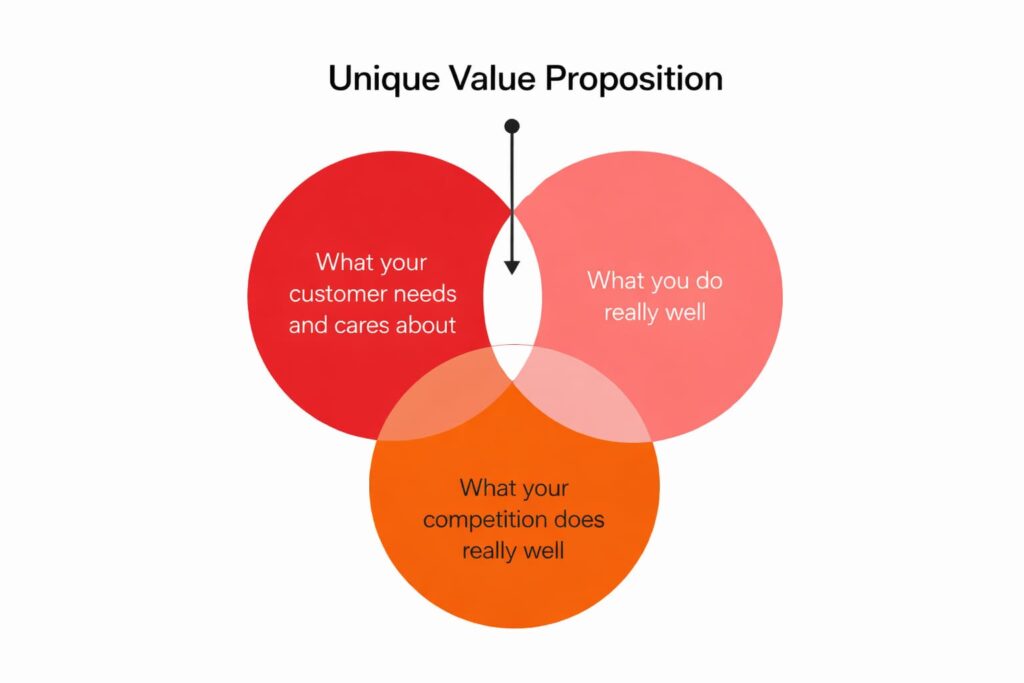
You also need strong branding and innovative offerings, all supported by smart digital marketing, honest communication, and leveraging unique customer experiences.
Differentiation Through Positioning and Brand
The starting point for effective differentiation is proper positioning, which expresses contrasting value propositions to competitors. Product vendors need to be clear about their speciality, problem-solving advantages, and consistent communication across the channels to gain a unique and protected market position. Branding creates a reliable and trustworthy atmosphere among the decision-makers who are evaluating several companies.
UX, Product Experience, and Onboarding
Outstanding user experience and product design are the major factors that separate one company from another. Efficient onboarding, user-friendly interfaces, and tutorials all play a significant role in activating users, reducing conflict, and increasing retention. Regular tracking of engagement statistics and making improvements based on usage data will ensure that the product remains effective and efficient.
Thought Leadership and Authority Building
Pioneering for your expertise and opinion builds credibility in congested marketplaces by demonstrating experience, insights, and industry foresight. Releasing research, conducting webinars, and participating in industry discussions, companies present themselves as credible experts, influencing customer decisions and raising consideration rates over rivals.
Focus on Value, Not Price
The competition based on pricing leads to a reduction in total profit and gives rise to a negative impression associated with the product quality. The leading SaaS brands promote their products by focusing on ROI, outcomes, and benefits. Not only do the clarifications about how the product solves important business issues make the company stand out, but they also help in the adoption of higher-tier plans, upselling, and customer retention.
Common B2B SaaS Marketing Mistakes to Avoid
There is no one-size-fits-all approach to B2B SaaS marketing. What works for someone else may not work for you. However, certain blunders should always be avoided. It’s simple to make mistakes, such as not communicating what makes your product unique or dismissing what data tells you. These errors can completely derail your B2B SaaS marketing strategies and impact overall sales and income.

Chasing Too Many Channels at Once
Trying to expand through a number of channels at the same time spreads the resources too early and lowers the overall optimization efficiency. B2B SaaS marketing requires channel selection to be based on ROI, audience intent, and funnel stage. Stretching too far can lead to increased CAC and analytics being obstructed, thus putting at risk the strategic focus on the acquisition and engagement touchpoints with the highest conversion rates.
Overemphasizing Acquisition and Ignoring Retention
The focus on lead acquisition rather than retention is detrimental to subscription-based revenue models in general. By not considering lifetime engagement and upselling, the customer lifetime value (CLV) is reduced, and net revenue retention is affected negatively. However, a data-driven approach that considers acquisition and retention not only assures growth but also uses insights for the betterment of marketing budget and product uptake.
Weak Positioning and Generic Messaging
Feature-rich or generic communication doesn’t set the brand apart. Unless messaging makes the value clear and has position-specific communication, it cannot persuade the decision-makers or support a premium pricing. Strategic distinctiveness, evidence-based proof points, and tailored storylines lead to better funnel efficiency, higher conversion rate, and stronger brand equity in the long run.
Lack of Alignment Between Teams
The existence of siloed teams not only disturbs buyers’ experience but also reduces the effectiveness of the SaaS funnel. Different KPIs, disconnected messaging, and non-coordinated feedback loops are the factors preventing lifecycle optimization. The cooperation of departments and the use of data frameworks ensure consistent targeting, better activation, retention, and clear ROI for both acquisition and growth activities.
Final Thoughts: Building a Scalable B2B SaaS Marketing Engine
Often, focusing on one channel and narrowing down as much as possible is the best way to go. As you begin to go beyond one channel, you may use other tactics to help you scale.
User-driven product development is one of the most effective B2B SaaS marketing strategies to boost business growth and foster brand loyalty. If you commit to addressing user pain points and creating an excellent solution, you will gain customer loyalty and advocacy.
Are you ready to accelerate your B2B SaaS growth? Collaborate with Elit-Web to transform your content strategy into a data-driven, multichannel engine that generates leads, conversions, and long-term customer loyalty.
Frequently Asked Questions
What Are the Most Effective B2B SaaS Marketing Channels?
The success of content marketing is dependent on reaching the correct audience and connecting content with the buyer journey. SEO, sponsored search, email, and LinkedIn campaigns (its integral parts) are all highly effective methods of B2B SaaS marketing.
How Long Does B2B SaaS Marketing Take to Show Results?
Inbound B2B SaaS marketing methods generally provide results within 3-6 months, with complete ROI taking 6-12 months. Longer sales cycles and various stakeholders increase the timeline when compared to B2C marketing.
What KPIs Should B2B SaaS Companies Track?
Key KPIs include CAC, CLV, NRR, conversion rate, churn, and activation rate. These metrics track efficiency in acquisition, engagement, retention, and expansion.
How Does Product-Led Growth Fit Into SaaS Marketing?
Product-led growth relies on the product itself to drive acquisition, acceptance, and expansion. A marketing agency would help by emphasizing product value, onboarding consumers successfully, and turning free trials into paid subscriptions.



Margaret Nest