Best AI Marketing Tools
Advancement is always the focus of our search for ways to get a leg up and discover the newest thing. Statista reports that 70% of marketers are already using AI technologies in one way or another. As is evident right now, the last couple of years have seen the rise of AI-oriented tools among professionals to help humans and make jobs more efficient.

AI in marketing has a lot to offer, from content marketing to automating tasks and analyzing data. Below is a list of major definitions, pros, and cons, marketing applications, as well as a collection of the top AI integrations that you can use in your upcoming campaigns.
What Are AI Marketing Tools?
To assist a marketer in automating internal operations, artificial intelligence (AI) marketing solutions are software platforms that interface with LLMs and your marketing flows, utilizing MCP (Model Context Protocol). There are several vendors competing in these subcategories, which include text-to-speech software and AI-generated video generators.
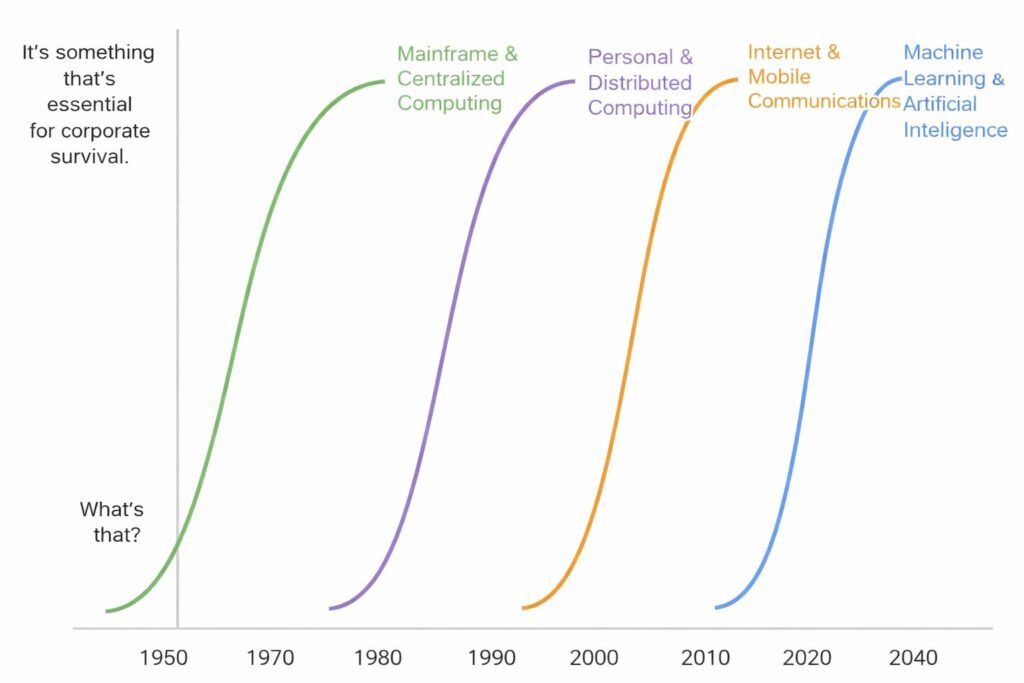
Given how many of the best AI marketing tools are (and what qualities they indicate), professionals might find a strategic edge by utilizing them. Machine learning (ML) may be used to do data-intensive activities, such as expanding content creation to better reach your target audience and building lookalike audiences from saved target account lists.
How AI Is Used in Marketing Today
The use of generative AI technology is being adopted universally by marketing departments as the main tool for instant, hyper-personalized marketing material creation, distilling insights from customer data, and crediting existing marketing strategies. The adoption of any AI tool, in this case, is not just a technological upgrade, but a business necessity if firms are to be in the running for the competition, as it is increasingly critical to process the huge amounts of omnichannel data that the marketing departments deal with and leverage that data’s value.
Automation
Marketing automation is based on a set of rule-based systems and machine learning pipelines that automatically carry out actions without any interference from humans. An event-driven architecture ingests user actions or signals, like conversions, in real time, while orchestration algorithms interpret these signals to organize the following actions (i.e., bidding, lead routing, email marketing sequences) across multiple services and workflows.
Personalization
The writer’s favourite topic, supervised and unsupervised learning, is used in user-level modeling to provide personalization.
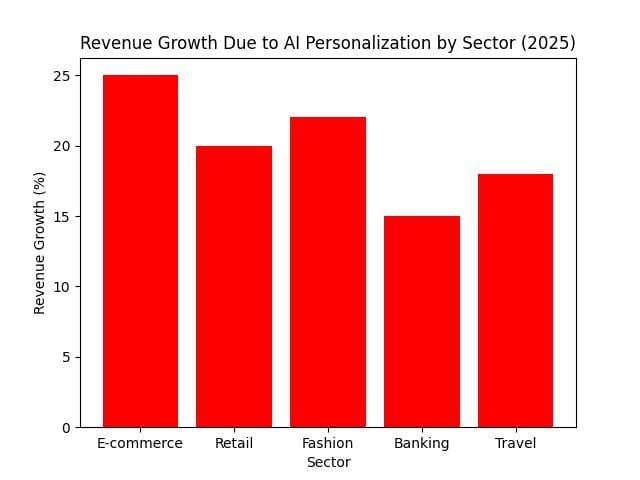
Recommendation algorithms use feature vectors, which are constructed from behavioral, contextual, and transactional data, to dynamically categorize content, offers, or layouts that are most likely to optimize individual interaction.
Predictive analytics
Statistical learning models are applied to historical marketing data by predictive analytics to obtain estimates of future outcomes. Algorithms for regression and classification detect similarities in the probabilities of conversion, risks of churn, or customer lifetime value so that decision-making can be based on probabilities instead of simply reporting responses to events.
Content generation
The process of content creation with the help of AI is based on large language models that have been trained on the token prediction task.
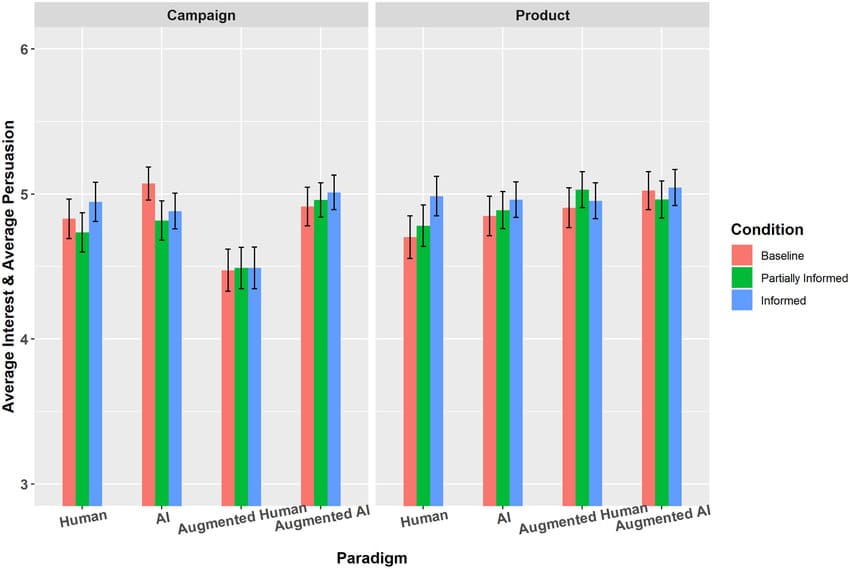
Computing the conditional probabilities of sequences, these models can produce text, thus making it possible for the automatic production of ads that comply with the semantic, syntactic, and contextual limits set by the input prompts.
Optimization and scaling
The continuous feedback loops and algorithmic experimentation are the means through which optimization and scaling get done. Reinforcement learning and multi-armed bandit models distribute resources like budgets, traffic, and impressions to various channels, thus automatically elevating the most effective options and reducing both computational and financial inefficiencies.
Benefits of Using AI Marketing Tools
Artificial intelligence, nevertheless, is a very critical tool for marketer, and it can be utilized in a variety of areas in their work. Survey participants believed that the technology would save them five hours of work time per week on average, which means a month per year. What would your marketing team be able to do if you regained a month of working time?
Faster execution
The best AI marketing tools, by employing machine learning methodologies, speed up the execution process and handle enormous amounts of data streams almost in real-time. Via automated analysis, sentiment detection, and rule-based triggering, the systems can recommend or implement tactical changes faster than human teams and, consequently, greatly cut down the decision latency across marketing campaigns.
Data-driven decisions
The process of decision-making based on data is made possible by the use of predictive models along with statistical inference that are applied to both historical and real-time campaign data. AI systems make use of correlations between behavioral indicators, performance of the channels, and sentiment metrics to produce recommendations that are not only probabilistic and measurable but also improve with the sharing of new data.
Cost efficiency
AI increases cost-effectiveness by enhancing resource distribution through the performance of channels and audience feedback algorithmically. The models uncover placements that have high impact, cut off spending that is not performing well, and reduce the amount of manual work involved by being responsible for analysis and execution, thus resulting in lower operational costs and waste of media budgets also being reduced.
Scalable growth
Native architectures that keep AI performance even when there is a lot of data and complex campaigns help scalable growth. With the help of automated segmentation, content marketing adaptation, and orchestration, marketing systems can spread to different markets and channels without needing a corresponding increase in human effort and operational costs.
Competitive advantage
The use of AI in this manner gives a company an edge because it can find meaningful insights to support decisions based on large, complicated data sets with speed and precision that are far better than traditional methods. Models spot new trends in customer behavior, which allow for up-front strategic changes, better targeting, and overall performance boost over slower rivals through the application of AI.
Best AI Marketing Tools by Category
We examined prominent marketing solutions for a variety of jobs to spare you the trouble, including AI writing, producing visuals, and doing user research. Many of these tools offer a free trial, so you can test capabilities before committing.
Content Creation
These suggestions are based on professional experience. We’ve been involved in content marketing for more than a decade, and initially were sceptical of using AI in writing. Over time, we’ve learnt to appreciate the tools that support, simplify, and scale a content strategy.
ChatGPT
A universal LLM that creates structured marketing text, outlines, and drafts based on prompts. OpenAI enables the production of long-form content, iterative refinement, and rewriting that is aware of the context.
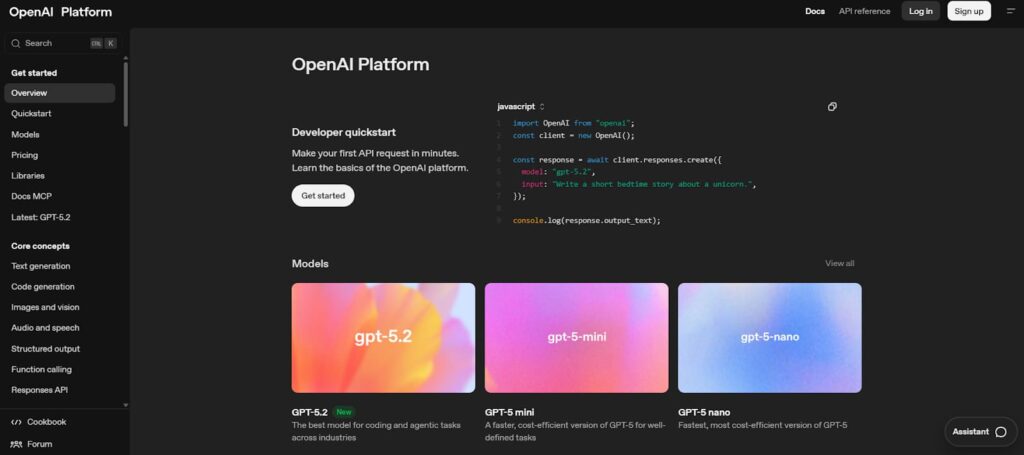
Advantages: Fast content generation; it allows multi-format outputs (blogs, emails, scripts).
Disadvantages: Its output quality is closely linked to the input quality; limited capabilities in free trial, it might hallucinate or give nonspecific results without human validation.
Claude
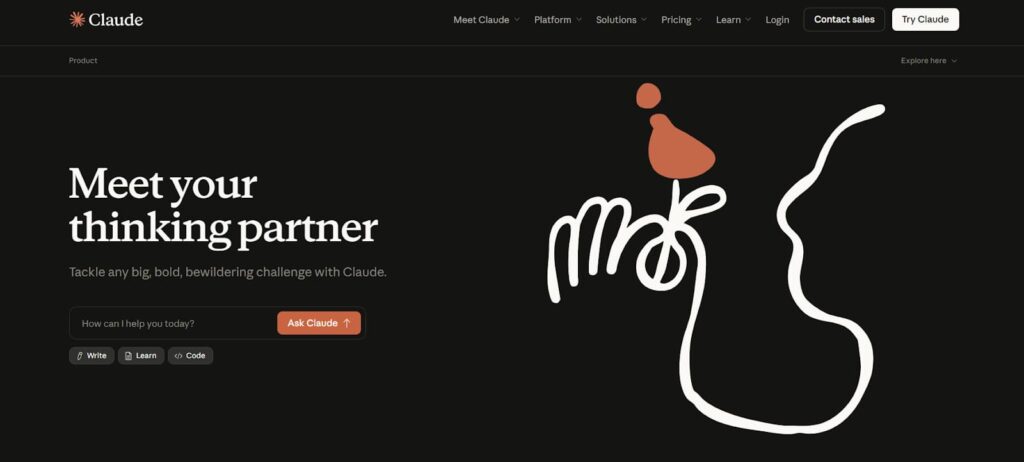
One of the AI chatbots has been fine-tuned for long-form coherence and tone consistency. It is capable of maintaining the narrative structure of extensive documents and shining in complicated, multi-section copywriting.
Advantages: Guarantees extremely coherent long-form texts and remarkable interpretation of intricate directives.
Disadvantages: It is not so much a part of the marketing systems; AI content still needs a human touch for editing.
Canva (Magic Studio)
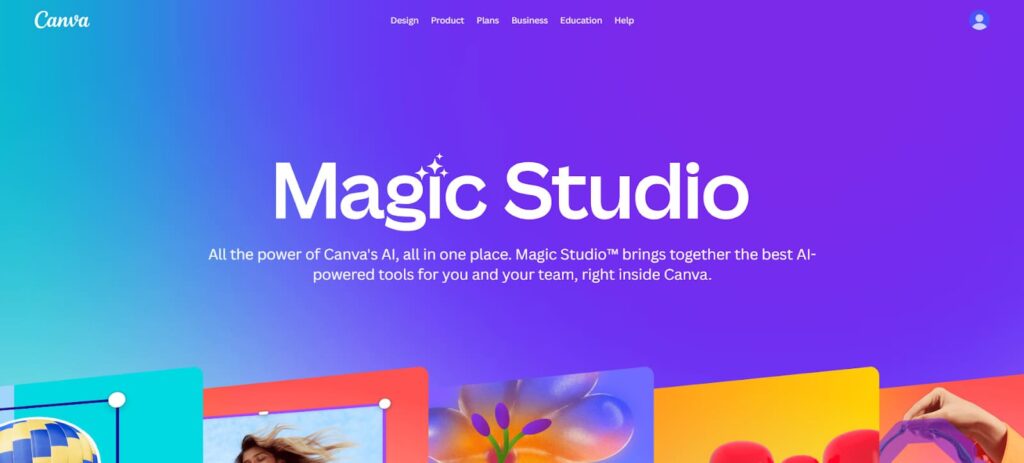
An AI-based design tool that creates images based on textual descriptions and takes care of layout, typography, and asset positioning automatically. It also provides graphics and presentations that are ready for publishing.
Advantages: Assumes quick visual production; consists of template-based uniformity.
Disadvantages: Contains control limitations on high-level designs; prompt compliance may vary.
SEO & Content Optimization
Tools within this category automate processes like competitor analysis or content production, using machine learning and NLP. These marketing tools improve the quality of information by analyzing it, recommending the best structures, creating outlines, and drafting copy.
Semrush Enterprise AIO
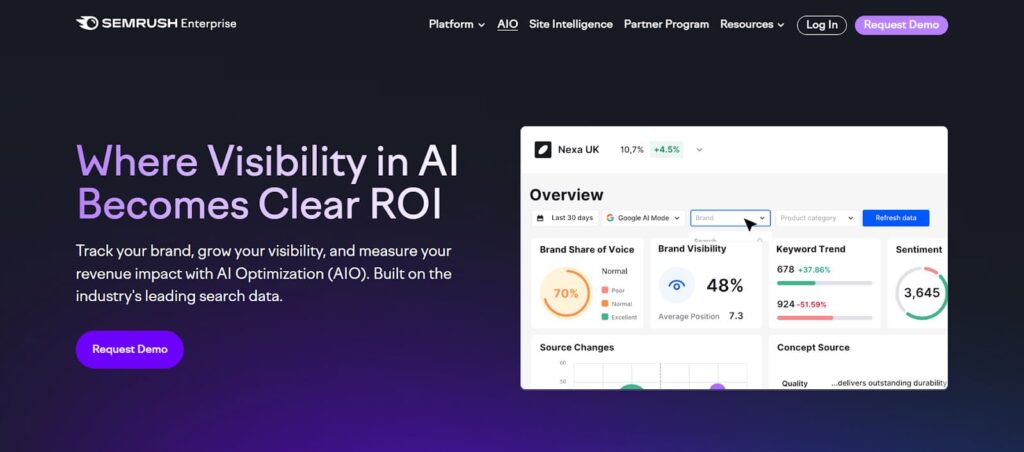
An all-in-one SEO solution equipped with AI features for search analysis, rival analysis, and AI search rank. The platform monitors the brand’s reputation through large-language-model (LLM) powered search results and spots AI-citation trends.
Advantages: Great data precision and extensibility; AI presence throughout different LLMs.
Disadvantages: Expensive; smaller groups may find it hard to learn the technology.
Semrush AI SEO Toolkit
Offers AI-assisted content enhancement, theme grouping, and SEO position suggestions. It creates practical content marketing assets based on search intent and rivalry analysis.
Advantages: Powerful optimization process; connected with a keyword and backlink information.
Disadvantages: The richness of features can be daunting for inexperienced users; there are subscription levels needed.
AI Tools for Marketing Research
Market research is primarily about comprehending customers, rivals, and market trends. Surveys, interviews, and manual data collection are time-consuming, costly, and have a limited reach. AI disrupts it by automating data collection from millions of sources.
HubSpot (Breeze)
Utilizes CRM activities and behavioral cues to detect leads with high intent and to map buyers’ journeys. The process transforms interaction data into practical sales intelligence.
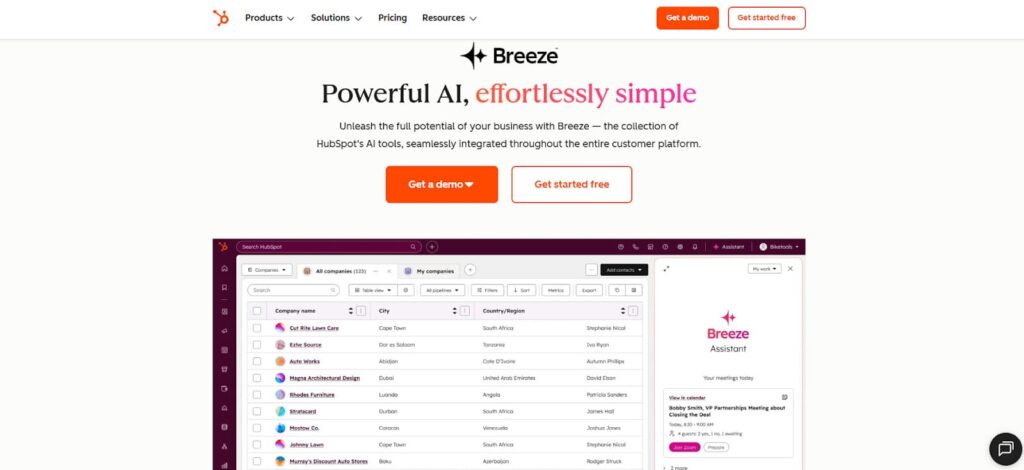
Advantages: Recognition of high-intent leads; joining CRM data.
Disadvantages: Requires a lot of visitors and data volume; features that come at a cost.
SE Ranking AI Tools
The tool keeps track of the mentions, feelings, and subjects of the monitored brands in the AI SEO search outputs (ChatGPT, Gemini, Perplexity, etc.). It measures the share of voice driven by AI along with content gaps.
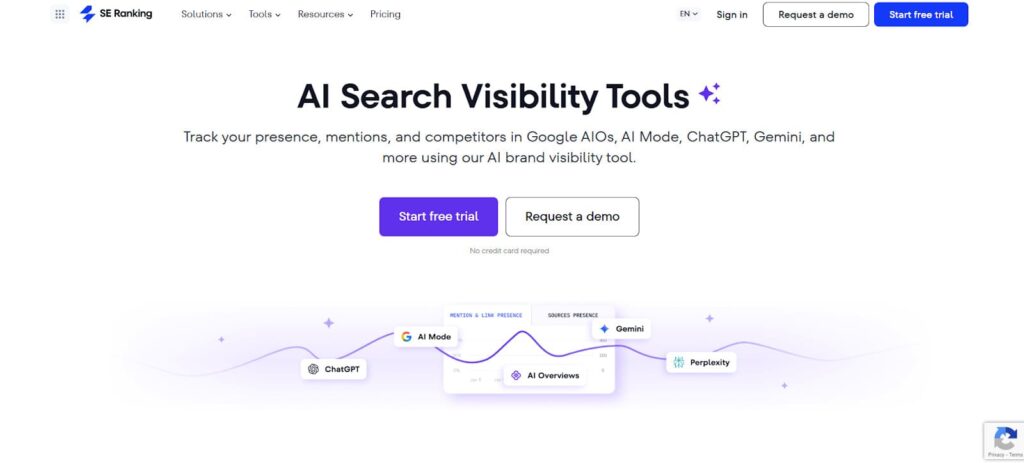
Advantages: Provides quantitative AI visibility tracking; helpful for brand reputation management.
Disadvantages: Subscription with recurring payments is necessary; mainly applicable to brands in competitive verticals.
Social Media & Influencer Marketing
AI tools revolutionize social media and influencer marketing by automating content creation, optimizing scheduling, analyzing trends, managing campaigns, and finding influencers. The goal is to simplify tasks from hashtag generation to deep audience insights for better ROI.
Flick
An AI content planner creates post concepts, organizes publishing schedules, and turns long-form content into formats specific to different platforms. It takes brand pillar input to ensure uniformity.
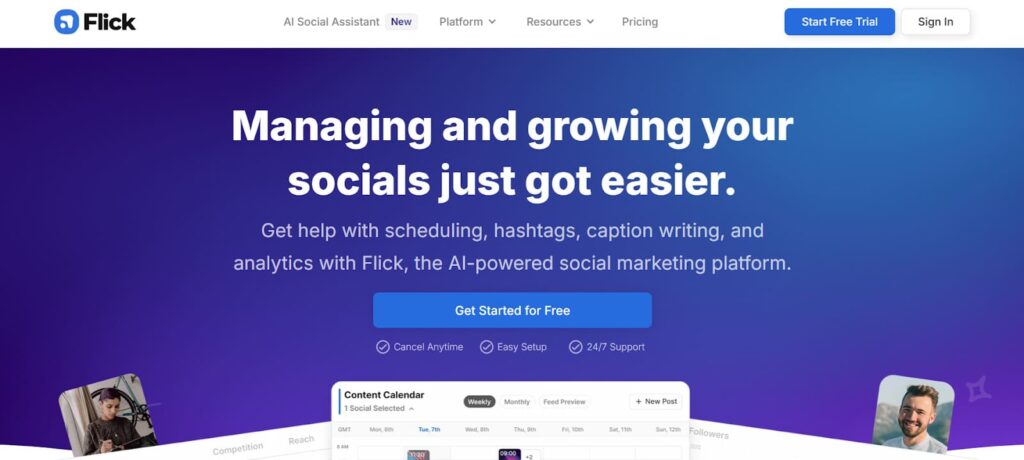
Advantages: Optimization of content planning; acceleration of repurposing.
Disadvantages: Restricted analytics; lacks social intelligence platform capabilities.
Hootsuite
An all-in-one social media management solution equipped with artificial intelligence-powered social listening, emotional assessment, and interaction enhancement. It evaluates social discussions and finds the places where content can be amplified.
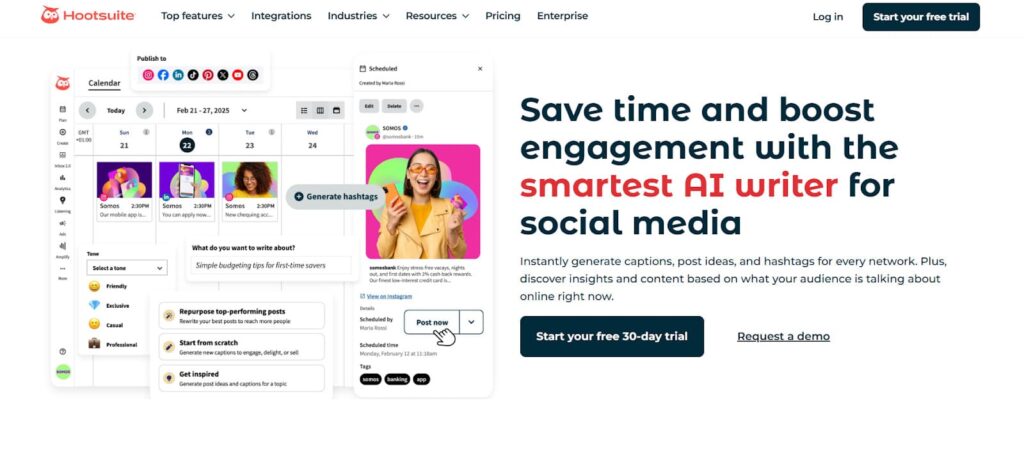
Advantages: Powerful social monitoring in real-time; posting optimization based on data.
Disadvantages: High-priced; setup and training are necessary.
AI Tools for Advertising
It is used to automate the purchasing and selling of ad space, making it more efficient and cost-effective. AI systems we’ll be discussing here can examine data and make real-time judgments on ad placement and optimization to maximize impact and effectiveness.
AdCreative.ai
Campaign asset generation through the use of conversion-based training data. It delivers numerous ad variants along with a predicted conversion score and formats tailored for each platform.
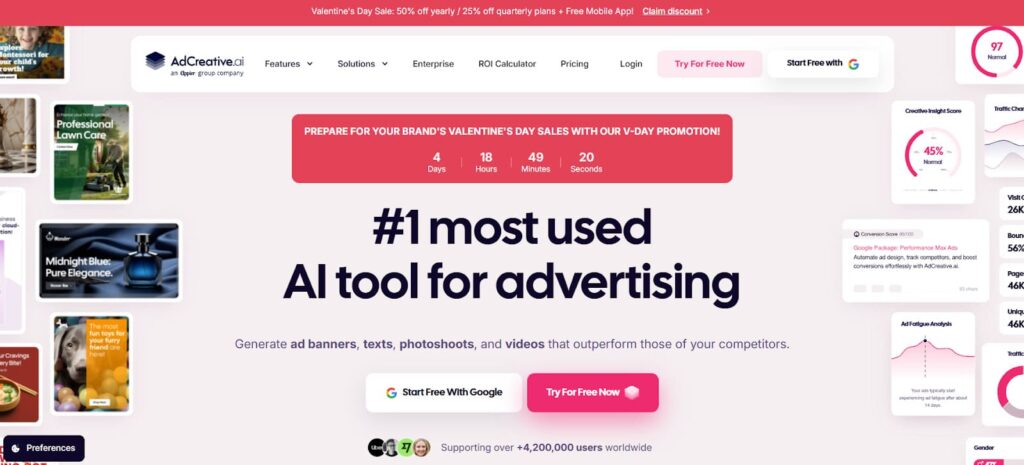
Advantages: Rapid ad generation of high volume; conversion scoring based on priority.
Disadvantages: Layouts can be somewhat ordinary; restrictions on downloads hinder large campaigns.
WordStream Advisor
Offers keyword selection with AI support, competitive ads analysis, and campaign optimization. Besides, it helps with automated ad testing and tracking of their performance.
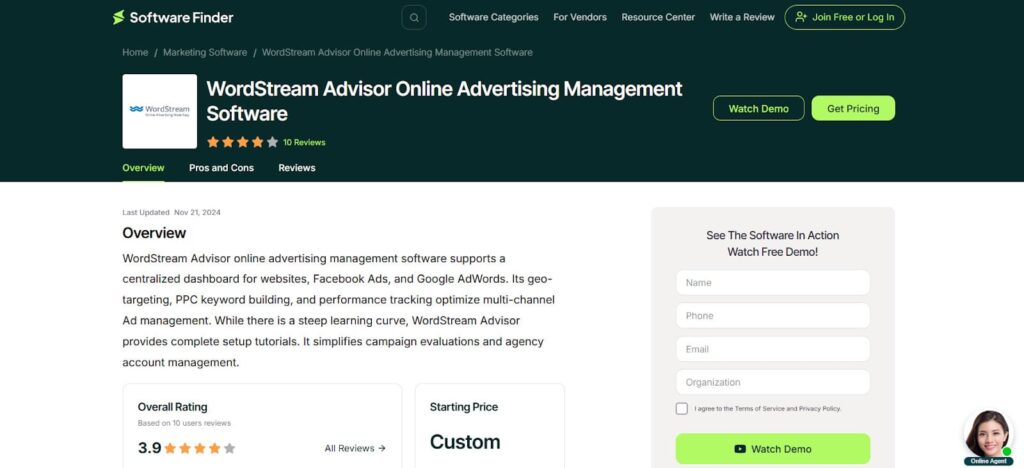
Advantages: Campaign planning based on data, combined with SEO knowledge.
Disadvantages: Cost increases as features become more advanced; top-level access is needed for using advanced modules.
AI Tools for Sales
Platforms are designed from the ground up for sales. They work with your CRM, recordings, and activity data to deliver contextualized insights and automation. Rather than assuming based on a prompt, they examine your current pipeline, rep activity, and customer contacts.
ActiveCampaign
The usage of AI technology helps in predicting lead scoring, mapping the journeys, and also figuring out the best time to send emails for sales-driven automation.
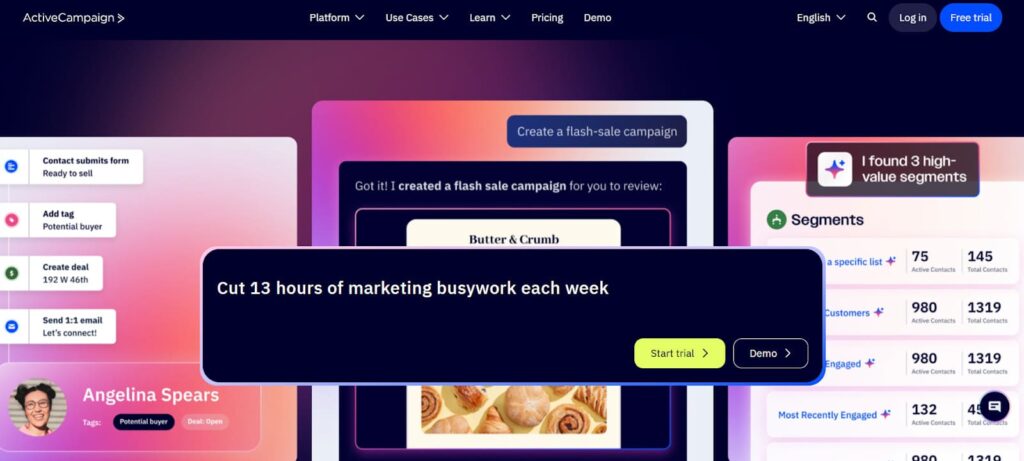
Advantages: Automation at its best; thorough control over the tasks.
Disadvantages: Configuration is not easy; costs go up with more scale.
Zapier
Links up CRM, email, and your AI tool to automate sales flows. Facilitates the AI generation of responses, summaries, and follow-ups based on triggers.
Advantages: Extensive app integration; adaptable flow automation.
Disadvantages: The intricacy of the flow can increase rapidly; setup and maintenance are needed.
AI Tools for Analytics
Analytics tools automate insights, forecast trends, and simplify complicated data chores by including capabilities such as automated reporting and predictive modeling. These tools empower users of all technical levels, allowing for faster decision-making processes.
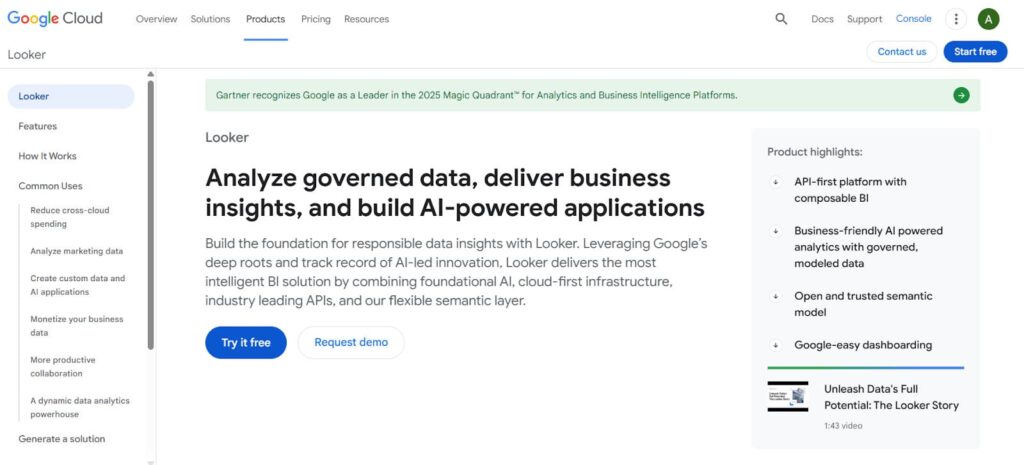
Looker (Google Cloud)
An AI-modeling-based data analytics platform for marketing that offers personalized dashboards and forecasting insights.
Advantages: Extremely scalable; allows for sophisticated data models.
Disadvantages: Needs data engineering; steep implementation cost.
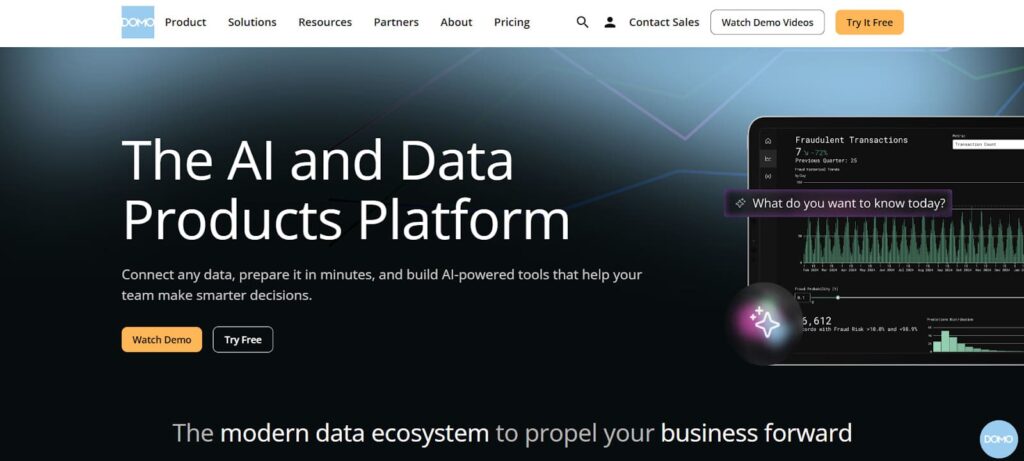
Domo
The business intelligence tool is equipped with analytics based on AI, forecasting, and marketing KPI monitoring across various data sources.
Advantages: Excellent combination of data; reporting is done by automation.
Disadvantages: Hard to install; a high price for smaller teams.
AI Tools for Workflow Automation
Zapier and Make streamline tasks by connecting apps, automating data entry, and creating intelligent agents, offering solutions from simple no-code setups. Similar tools often feature visual builders and AI-driven features for content generation and process management.
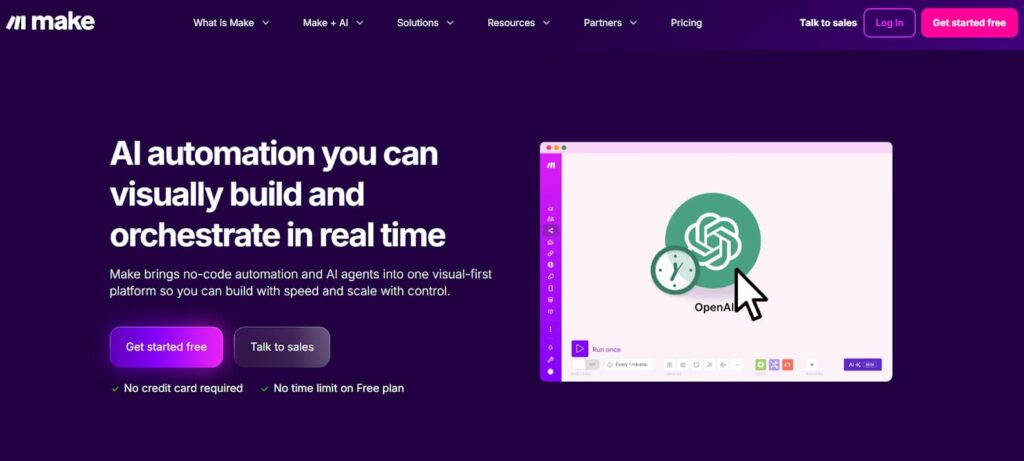
Make (formerly Integromat)
Visual automation tool equipped with high-level conditional, data manipulation, and multi-stage automation features.
Advantages: Indeed, the powerful automation logic; complex flows are supported.
Disadvantages: Definitely, it can be technical; setup and maintenance are required.
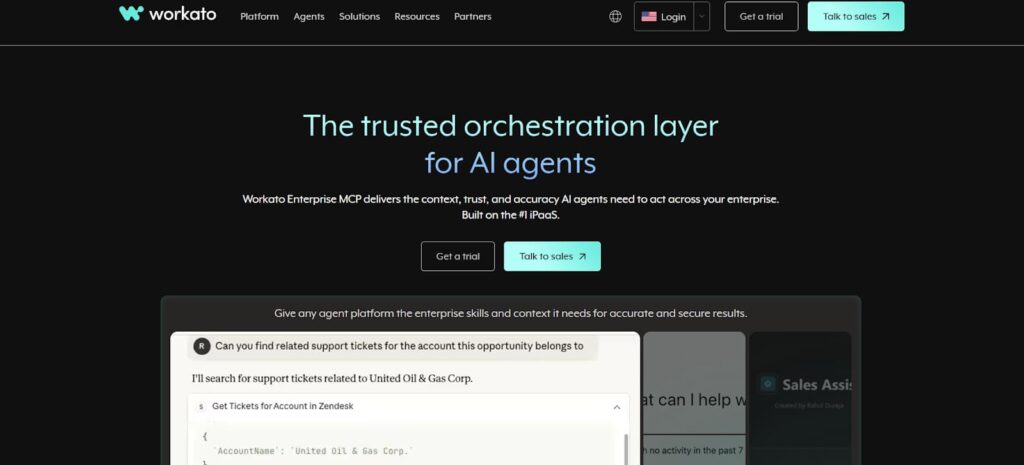
Workato
An enterprise automation solution that employs artificial intelligence in its workflow triggers, integrations, and data orchestration to connect the marketing ecosystem.
Advantages: Very scalable; good for large enterprise stacks.
Disadvantages: Costly; needs technical assistance.
How to Choose the Right AI Marketing Tool
In order to effectively market a product or service, select a tool, and optimize customer interaction and sales, experts need to be knowledgeable in AI. Knowing the safe and ethical best practices is one of the conditions for the effective use of the technology in marketing.
The marketing professionals who can use predictive analytics and automate marketing processes will be the ones to take the lead. It is very important to know the latest artificial intelligence developments by upgrading skills, which is a guarantee of a successful marketing strategy.
Business goals
The very first thing to do while choosing an AI marketing tool is to draw a clear connection between business goals and algorithmic abilities. One can say that different tools are made for different outcomes, like demand generation, retention modeling, attribution accuracy, or operational efficiency. It is essential to assess if analytics tools back up revenue, growth, or efficiency goals through prediction, optimization loops, or decision support.
Team size
The size of a team is the factor that indicates what level of automation, abstraction, and usability is required. High automation density, preconfigured flows, and minimal configuration overhead are the benefits that smaller teams receive from the best AI tools. Larger teams might need modular platforms that feature granular access control, analytics layers, and support for experimentation, which will help them to coordinate their activities.
Integration needs
Workflow integration requirements will be evaluated according to data movement, compatibility between systems, and architecture. The consumption of data from CRM, analytics, commerce, and advertising systems is a prerequisite for effective AI marketing tools; thus, they have to preserve uniformity throughout the pipelines. OpenAI API is effective in cutting data delay and enabling AI models to work on merged datasets.
How to Use AI Marketing Tools Effectively
Companies that set clearly defined objectives, like improving conversion rates, minimizing campaign costs, or massively elevating customer experience, typically receive the best results. Having no data to work with will render even the most powerful AI solutions worthless. Your AI needs data that is coherent and organized in order to be effective.
Best practices
It is a must to have good data governance, model monitoring all the time, and performance benchmarks that are easy to understand. The systems need to be trained on data sets that are not only relevant but also of high quality, and they have to be tested for bias, drift, and accuracy. Transparency mechanisms should be in place to show the steps of data processing and the extent to which algorithmic outputs steer marketing decisions.
Human + AI collaboration
This is necessary to guarantee accountability and strategic coherence. AI assistants take over the analysis, prediction, and optimization, while humans take care of making sure the results are good, giving the right context, and fixing mistakes. Keeping a human in charge makes it impossible to blindly trust the models and makes it certain that the automated decisions are in line with the brand values and are ethically acceptable.

Common mistakes to avoid
Among the failures are the deployment of AI without proper disclosure, over-automation of customer interactions, and neglecting feedback. The lack of transparency is the main cause of the trust issue, while the non-existence of regular reviews by humans raises the risk of inaccuracies and damage. The omission of feedback and compliance requirements, in turn, can magnify the ethical and regulatory risks across the whole company.
Frequently Asked Questions
Are AI marketing tools suitable for small businesses?
Yes, many tools are designed to scale down as well as up. An AI tool can automate analysis and execution that small teams cannot handle manually. This allows small businesses to compete without increasing headcount.
Can AI replace human marketers?
No, AI augments decision-making rather than replacing strategic marketer judgment. It excels at pattern detection, optimization, and automation. Humans remain essential for marketing strategy, positioning, and creative direction.
How much do AI marketing tools cost?
Costs vary based on features, data volume, and usage scale. Entry-level tools are often subscription-based and accessible to small teams. Enterprise platforms typically price according to data access, integrations, and advanced capabilities.
Are AI marketing tools safe and compliant?
Most reputable tools include data security and compliance controls by design. They support standards such as GDPR and role-based access management. Responsibility still lies with businesses to govern and optimize data usage correctly.